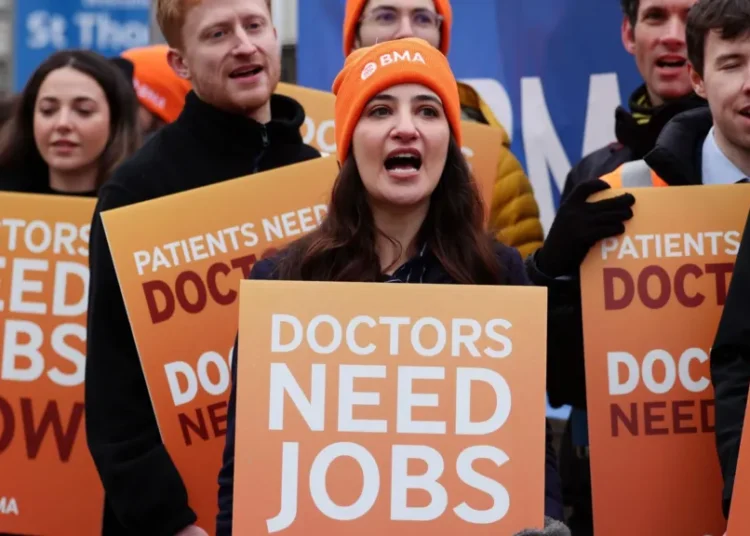
Resident doctors across England have begun a six-day strike, escalating a prolonged dispute over pay and marking their 15th round of industrial action as tensions between medical professionals and the government continue to rise.
The walkout is expected to significantly impact services within the National Health Service (NHS), where resident doctors previously known as junior doctors account for nearly half of the clinical workforce and are central to everyday patient care.
This action follows a breakdown in negotiations between the government and the British Medical Association (BMA), which represents the striking doctors.
Talks between both sides collapsed last month after weeks of discussions aimed at resolving disagreements over pay, working conditions, and career progression.
NHS have warned that the strike will disrupt routine care, with some planned procedures and outpatient appointments being postponed as senior doctors are reassigned to maintain emergency and critical services.
Despite the disruption, emergency departments and urgent care services are expected to remain operational. Health authorities have urged the public to continue seeking medical help when necessary, advising patients to use emergency and urgent care channels as usual and to attend scheduled appointments unless notified of changes. While GP services are largely expected to continue unaffected, broader system pressures are likely to increase due to reduced hospital staffing levels.
Resident doctors maintain that the strike reflects deeper systemic challenges within the NHS, including workforce shortages, rising workloads, and what they describe as “a sustained decline in real-terms pay.” The effects are already being felt by patients experiencing delays or cancellations in their care, highlighting the broader consequences of the ongoing dispute.
Dr Jack Fletcher, chair of the BMA’s resident doctor committee, stated in an interview that he was “genuinely very sorry” to patients who had care postponed due to the strike, but noted that such delays also occurred “without strike action” because of a lack of specialists and GPs. He added that “the way out of this is to get around the negotiating table, as we were for eight or so weeks, talk constructively to get a deal, to get us out of this.”
Government and BMA at Odds as Dispute Enters Critical Phase
Despite headline pay increases of roughly 33% over the past four years, the British Medical Association (BMA) argued that, in real terms, doctors remain significantly worse off than in 2008 once inflation is taken into account.
The union links this long-term decline in earnings to worsening recruitment and retention pressures, which it says are intensifying strain across the healthcare system.
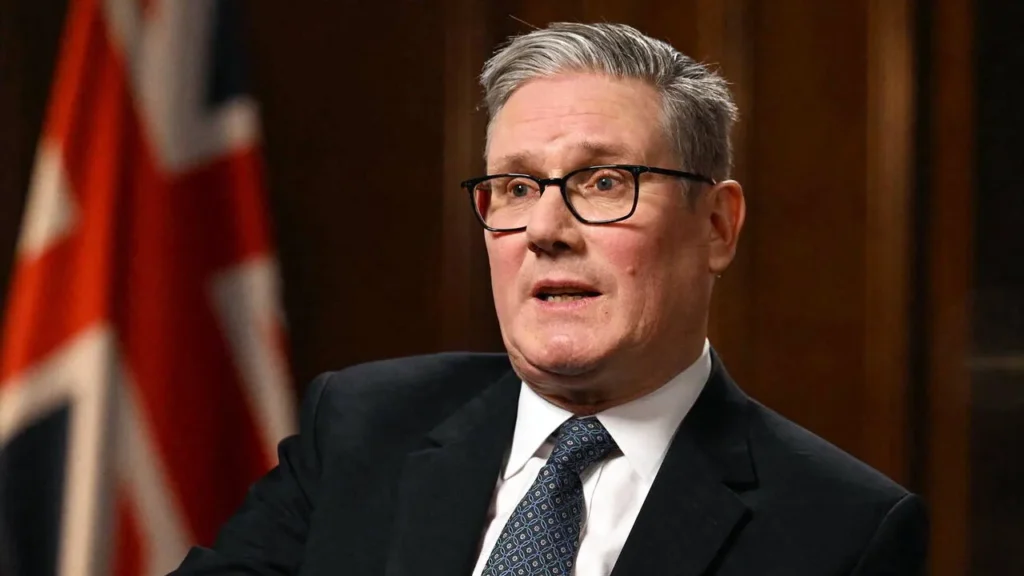
In an effort to resolve the dispute, UK Prime Minister, Keir Starmer put forward a package of measures last month, though the BMA maintains that key elements were diluted at a late stage.
The proposals included reimbursing professional expenses such as exam fees, accelerating progression through the five pay bands that structure resident doctor training, and expanding access to specialty training posts available after the second year of practice.
The government’s position was reinforced by Health Secretary, Wes Streeting, who criticized the decision to proceed with strike action, further sharpening the dispute between ministers and the union.
He argued that the BMA had stepped away from a negotiated settlement without presenting a credible alternative, casting doubt on the prospects for meaningful engagement in the near term.
Also, a spokesperson for the Department of Health and Social Care echoed this stance, describing the offer as “generous” and expressing disappointment that industrial action had gone ahead.
Tensions have been further heightened by the government’s decision to withdraw an initial tranche of planned training posts that had been scheduled for introduction this summer, following confirmation of the strike. This move added another layer of friction to the already fragile relations between both sides.
However, Dr Emma Runswick, Deputy Chair of the BMA Council, disclosed that they had been close to reaching a deal but “the government decided to move the goalposts quite last minute to reduce the level of investment they were prepared to make”.

“That meant that the offer that they made was not one that we could put to members. We know that it will be rejected and therefore we’ve had to call strike action once again.”
Dr Emma Runswick
The dispute now remains unresolved, with both sides yet to signal a clear path back to negotiations within the National Health Service, raising the likelihood of further industrial action and prolonged disruption to healthcare services.
With positions entrenched, neither the government nor the British Medical Association (BMA) has outlined a concrete framework for restarting formal talks, creating a policy vacuum at a critical point for workforce stability.
READ ALSO : Bangladesh Launches Measles Vaccination Drive