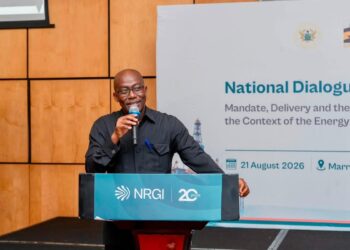
Lom Nuku Ahlijah, a prominent legal practitioner and energy expert, has called for an urgent and systematic diversification of Ghana’s energy sector to shield the national economy from the volatile nature of global oil prices.
The Energy expert emphasized that Ghana’s current dependence on imported fuels creates a structural vulnerability that persists even when resources are produced domestically.
He argued that the country must mirror global trends seen in Europe and China by shifting toward alternative energy sources to alleviate the mounting pressure on foreign exchange and oil dependence.
“We’ve seen them a lot. But one of the ones I want to highlight significantly is that just this weekend, I had a programme on the same general conversation around what we can do to have a more resilient energy sector. Ghana needs to diversify in a significant way our energy sector.”
Lom Nuku Ahlijah, a prominent legal practitioner and energy expert

This call for a strategic pivot comes at a time when Ghana’s power generation remains heavily skewed toward thermal sources, which currently account for approximately 70% of the national mix.
Because these thermal plants rely on fossil fuels including natural gas, Liquefied Natural Gas (LNG), and fuel oil, the cost of electricity in Ghana is inextricably linked to the fluctuations of the international oil market.
Expanding on the necessity of this transition, Ahlijah pointed out that the nation is “blessed” with significant renewable potential that remains underutilized.
He noted that strategic investments in solar power could serve as a catalyst for a broader green transition, potentially powering a new era of electric vehicles and public transport systems that operate independently of fossil fuel supply chains.
“If you have significant investment in renewable energy, like solar, you can drive change in terms of electric vehicles and electric buses so that you are powering them by other sources. Ghana has also been on a journey since 2007 to include nuclear energy in our generation mix. We need to move the country gradually towards other sources of energy, which takes away the pressure on oil dependence.”
Lom Nuku Ahlijah, a prominent legal practitioner and energy expert
Breaking the Thermal Monopoly to Ensure Price Stability

The current dominance of thermal power means that any geopolitical tension or supply chain disruption in the Middle East or Europe translates directly into higher utility tariffs and transport costs for Ghanaians.
By diversifying the energy base, Ghana can create a “buffer” against these external shocks. The expert suggests that a move toward a more balanced mix integrating nuclear and scaled-up renewables would decouple the cost of power from the “volatility and price increments” of the oil sector.
This shift is not merely an environmental imperative but a fiscal one, aimed at stabilizing the macroeconomy and reducing the constant demand for forex to fund fuel imports.
The Strategic Role of Solar and Nuclear Energy

Central to this diversification strategy is the accelerated integration of nuclear energy and the expansion of solar infrastructure.
While Ghana has been laying the groundwork for nuclear power since 2007, the transition has reached a critical juncture where “including nuclear energy” in the base-load generation is essential for long-term resilience.
Solar energy, conversely, offers an immediate decentralized solution. Beyond providing light, a robust solar grid provides the “connection” needed to revolutionize the transport sector.
By charging electric buses and private vehicles with solar-generated power, the state can significantly reduce the national petrol and diesel bill, effectively “taking away the pressure” that has historically crippled the energy sector during global crises.
Building a Resilient Framework for the Green Transition
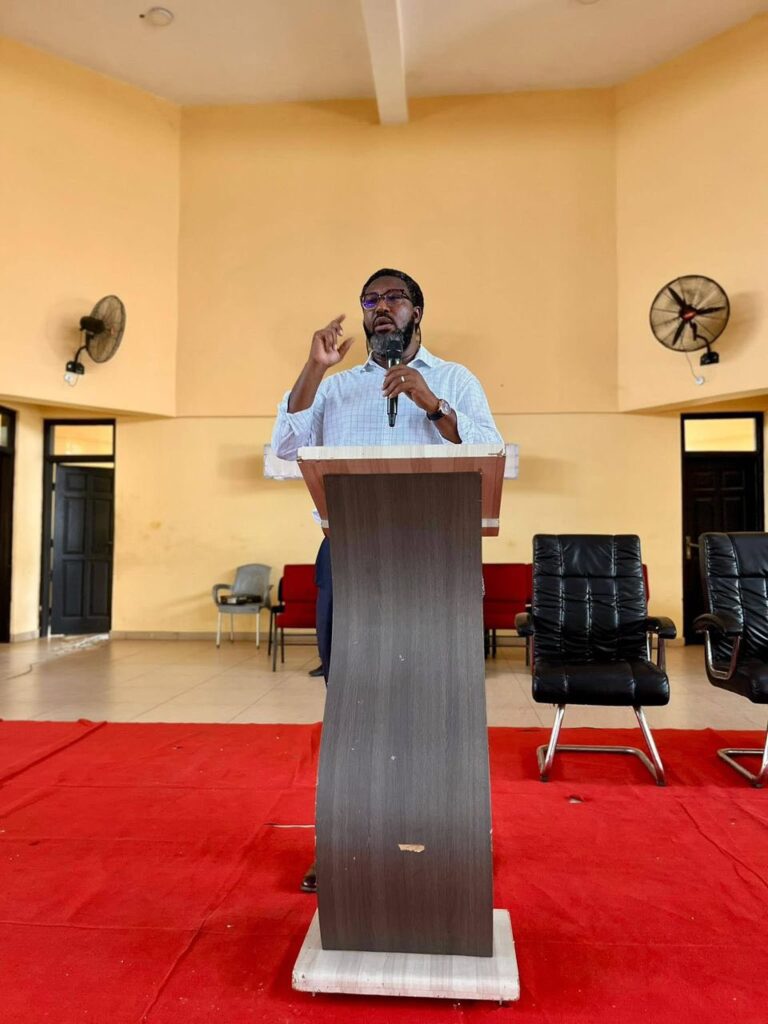
For Ghana to withstand future global shocks, the transition must be gradual but deliberate, moving away from a system where 70% of power is “tied to the oil price.”
This requires a policy environment that incentivizes large-scale renewable projects and finalizes the nuclear roadmap.
As other global leaders move “significantly to renewable energy,” Ghana’s path to resilience lies in leveraging its natural sunlight and historical nuclear ambitions to create a self-sustaining energy loop.
Ultimately, reducing the thermal footprint is the only way to ensure that the “effect of global prices” no longer dictates the pace of Ghana’s industrial and domestic economic stability.
READ ALSO: Two US Lawmakers Call For Permanent Solution To Cuba’s Crises