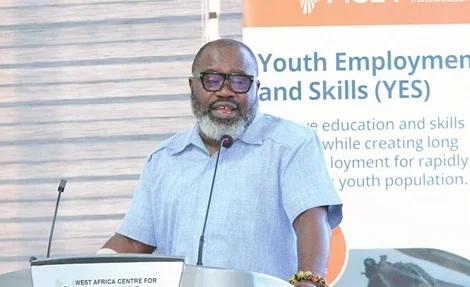
The Executive Director of Africa Education Watch, Kofi Asare, has called for a major overhaul of Ghana’s secondary education system, urging policymakers to embed practical, job-oriented skills into Senior High School education to address youth unemployment and reduce what he describes as recurring waste in public spending.
In a strongly worded policy reflection, Mr Asare argues that the current structure of Ghana’s education system is producing graduates who must later be retrained in basic vocational and technical skills, despite having already completed secondary education.
The education activist and think-tank leader believes this approach is inefficient and financially unsustainable, especially given the scale of investment already made in the sector.
According to Mr Asare, Ghana produces more than 500,000 second-cycle graduates each year, yet only about 200,000 progress to tertiary institutions. This leaves a significant number of young people entering the job market without the practical skills required for employment or entrepreneurship.

Drawing from his engagements with beneficiaries of youth skills programmes, he noted that a large proportion of participants are Senior High School graduates. “At least six out of every ten youth skills development beneficiaries I have interacted with are SHS graduates,” he stated, highlighting what he sees as a clear disconnect between education outcomes and labour market needs.
He questioned the rationale behind spending additional public funds to train graduates in short term programmes covering areas such as digital marketing, fashion, solar installation, and other vocational skills. In his view, these are competencies that should have been integrated into the secondary school curriculum from the outset.
Cycle of Repeated Training Programmes
Mr Asare traced the issue to a longstanding pattern in Ghana’s youth employment interventions, referencing programmes such as the National Youth Employment Programme, National Apprenticeship Programme, and the National Entrepreneurship & Innovation Programme (NEIP), the Youth Employment Agency, and more recent initiatives like YouStart.
He argued that these programmes, while well-intentioned, often end up duplicating efforts by providing skills training that should already be part of the formal education system. “After investing heavily in SHS education, we return within months to spend billions retraining the same graduates in basic skills,” he questioned.
This cycle, he noted, has persisted over the years, creating a system where resources are repeatedly allocated to address gaps that could have been resolved earlier in the educational pipeline.
Beyond inefficiency, Mr Asare expressed concern about the financial implications of this approach. He pointed out that the cost of training programmes, often estimated at several thousand cedis per participant, adds up significantly when scaled across thousands of beneficiaries.

He also highlighted the introduction of stipends in some programmes, which further increases the overall cost burden. According to him, this contributes to what he described as an unsustainable build up of public expenditure on youth training initiatives.
“The level of waste in this country is alarming,” he remarked, suggesting that funds currently spent on post secondary skills training could be better utilised by strengthening the quality and scope of SHS education.
Call for Skills Integration in SHS Curriculum
Central to Mr Asare’s argument is the need to transform SHS into a more skills-oriented system. He advocated for the integration of practical and vocational training into the curriculum, enabling students to graduate with competencies that are directly applicable in the job market.
Such a shift, he argues, would reduce the need for additional training programmes while also improving the employability of graduates. By equipping students with relevant skills during their secondary education, the system could produce a workforce that is better prepared to meet the demands of a changing economy.
He emphasised that this approach would not only benefit individuals but also contribute to broader economic development by fostering entrepreneurship and reducing unemployment.
Mr Asare acknowledged that academic education remains important but stressed that it should be complemented by practical skills. He argued that the current system places too much emphasis on theoretical knowledge at the expense of hands-on learning.
In his view, a balanced approach that combines academic instruction with vocational training would better serve the needs of students and the economy. This, he said, requires a deliberate policy shift and sustained investment in infrastructure, teacher training, and curriculum development.
A Cultural Reminder on Learning and Preparedness
To underscore his point, Mr Asare invoked a traditional proverb that reflects the importance of timely learning. “What you refuse to learn at dawn, you will pay to learn at dusk,” he said, suggesting that Ghana is currently paying the price for not embedding practical skills early in the education system.
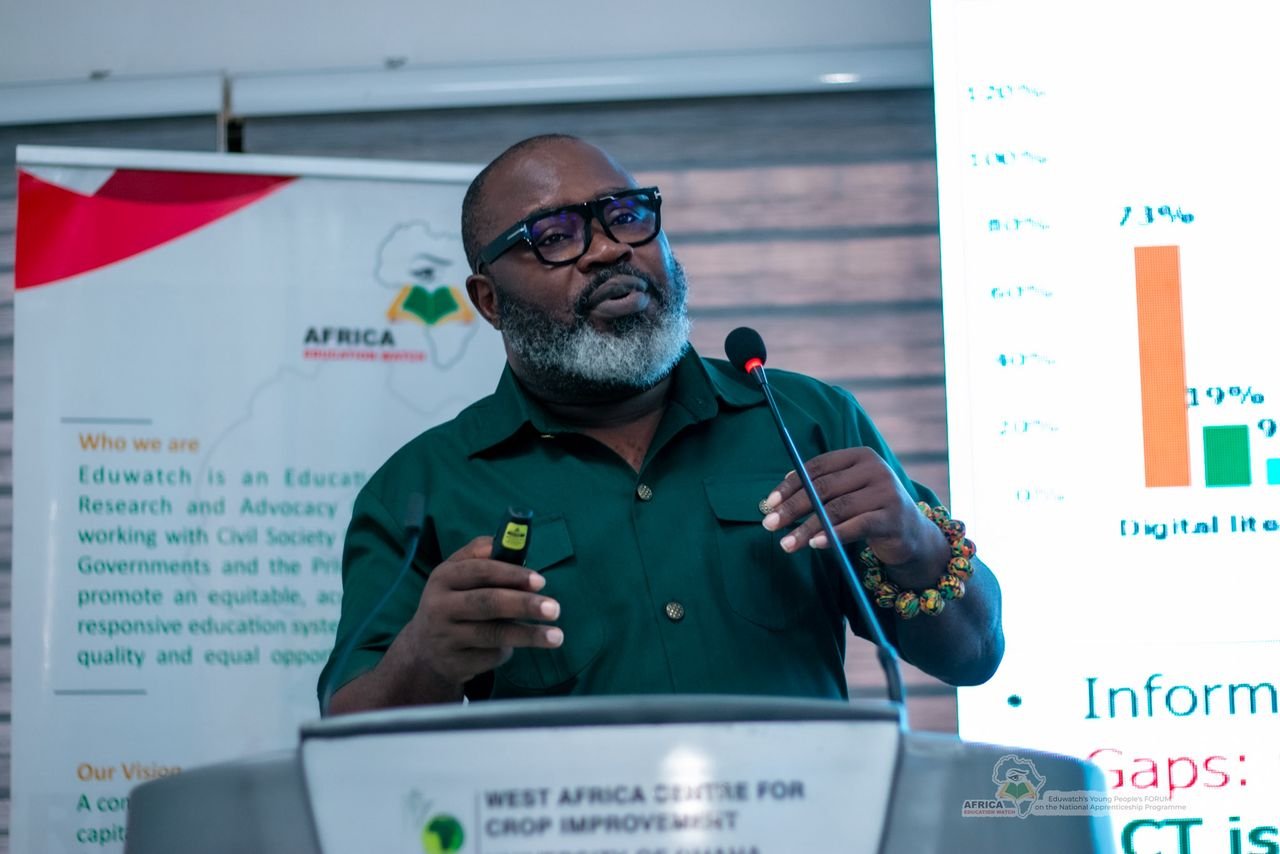
He argued that the proverb captures the essence of the problem, where delayed investment in skills leads to higher costs and missed opportunities later in life.
As Ghana continues to grapple with youth unemployment and economic transformation, Asare’s call adds to ongoing discussions about the future of education and skills development. His proposal for a skills rich SHS system aligns with broader efforts to make education more responsive to labour market needs.
The challenge, however, lies in translating these ideas into actionable policies that can be implemented at scale. This will require coordination between government agencies, educational institutions, and industry stakeholders to ensure that reforms are both effective and sustainable.
For policymakers, the message is clear. Addressing the skills gap at the secondary education level could significantly reduce the need for costly interventions later, while also empowering young people to contribute meaningfully to the economy.
Mr Asare’s perspective highlights the urgency of rethinking Ghana’s education model to ensure that it delivers not only academic qualifications but also practical skills that can drive job creation and economic growth.
READ ALSO: IMF Moves to Shield Ghana’s Banking System