
The Deputy Attorney-General and Minister for Justice, Dr Justice Srem Sai, has confirmed that the Attorney-General has filed arguments in support of a Supreme Court case challenging Ghana’s political party delegate system, describing it as a potentially transformative constitutional matter for the country’s democratic practice.
In a public statement, Dr Justice Srem Sai noted that the case, commonly referred to as the Anti-Delegate System (ADS) case, seeks to determine whether all registered and qualified members of a political party should have the right to vote in party primaries, rather than a limited delegate structure.
He described the matter as “one of the most impactful constitutional law cases in the 4th Republic,” highlighting its potential implications for internal party democracy and broader electoral participation.
Case Brought by Senior Citizens and Legal Counsel
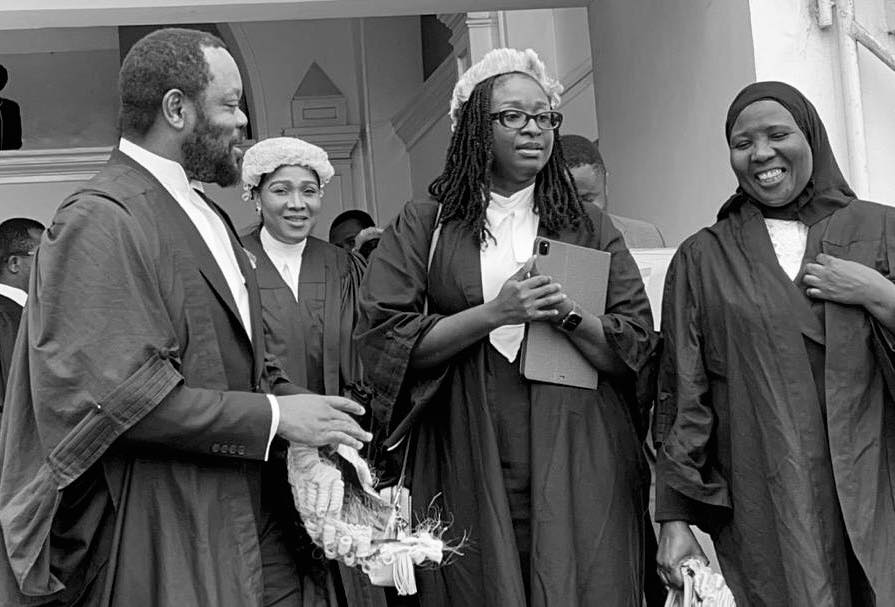
The suit was filed by Professor Kwabena Frimpong Boateng, Dr Nyaho Nyaho-Tamakloe, and Dr Christine Amoako-Nuamah, with legal representation led by Osagyefo Oliver Barker-Vormawor.

The plaintiffs are asking the Supreme Court to interpret constitutional provisions in a manner that would extend voting rights in party primaries to all registered members in good standing, effectively replacing or significantly reforming the current delegate-based system used by political parties in Ghana.
According to the Attorney-General’s position as outlined by Dr Srem Sai, the state is supporting the plaintiffs’ argument, signalling alignment with the broader call for expanded internal democracy within political parties.
AG Argues for Democratic Expansion
Dr Srem Sai stated that the Attorney-General’s office believes the declaration being sought, if granted by the Supreme Court, would strengthen democratic participation within political parties and improve Ghana’s electoral system.
He wrote that the legal arguments filed by the state support the plaintiffs’ position and emphasised the potential benefits of expanding voting rights to all party members.
He added that the case represents a significant opportunity to clarify constitutional principles governing political party organisation and participation in internal elections.
The case has reignited long-standing debate over Ghana’s party delegate system, which limits voting rights in party primaries to selected delegates rather than the wider membership base.
Supporters of reform argue that the current system concentrates power in the hands of a few and limits grassroots participation in candidate selection. The Anti-Delegate System case seeks to address these concerns through constitutional interpretation by the Supreme Court.
The Attorney-General’s support for the plaintiffs adds an additional layer of legal and political significance to the proceedings, as the state traditionally plays a neutral or defending role in constitutional disputes of this nature.
Legal and Political Reactions
The development has already generated reactions from legal and governance commentators. Legal scholar and CDD-Ghana Fellow, Professor Stephen Kwaku Asare, described the Attorney-General’s position as a major shift in the ongoing debate over internal party democracy.
He reacted by saying, “Wow, Wow, Wow! AG Endorses OMOV. Delegates’ Cocoa Season Faces a Political Earthquake.” His comments reflect growing public discourse around the implications of a potential “one member, one vote” system, often abbreviated as OMOV, which would significantly broaden participation in party primaries if adopted.
The Supreme Court is expected to determine whether the Constitution supports an inclusive voting framework within political parties or whether the current delegate-based system remains legally valid.
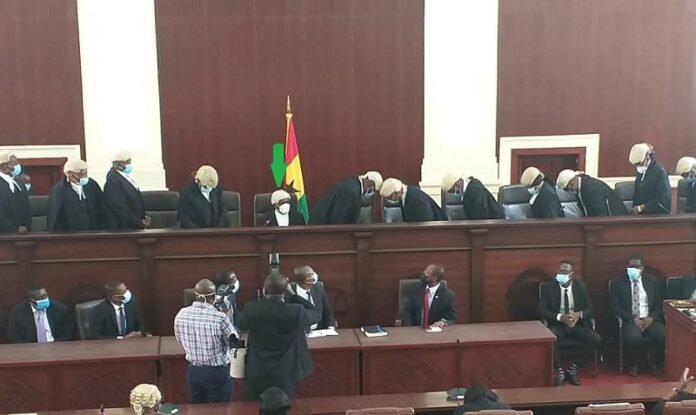
The outcome of the case is widely expected to have far-reaching consequences for how political parties in Ghana organise internal elections, select parliamentary candidates, and potentially even choose presidential flagbearers.
The court’s ruling could redefine political participation structures within parties and reshape the balance of influence between party elites and ordinary members.
For now, the Attorney-General’s endorsement of the plaintiffs’ arguments marks a significant development in a case already being described as a major test of constitutional interpretation in Ghana’s Fourth Republic.
READ ALSO: Finance Minister Laid Petroleum Levy Report Before Parliament Following Minority Calls