Finance Minister, Dr. Cassiel Ato Forson has officially presented the annual management report on the energy sector levies and accounts for the 2025 fiscal year before the legislature.
The formal submission of the document outlines the exact deployment of national revenues collected from petroleum taxes, focusing heavily on funds designated for structural power sector liabilities.
“The first one happens to be the annual report on the management of the energy sector levies and account for the year 2025. So speaker, this report details how the monies received and accrued to the state on the back of all the petroleum taxes were utilised, particularly the one relating to the management of the energy sector debt recovery. And so, Mr. Speaker, the details of the report, the details are in the report and has accordingly been presented to the committee for deliberation.”
Finance Minister Dr. Cassiel Ato Forson
This legislative presentation aligns directly with escalating demands from the Minority Caucus for absolute transparency regarding state revenue utilization amidst ongoing disruptions within the domestic power network.

The ministerial briefing to the House expands on the regulatory allocations of the specialized GH¢1 petroleum product levy accrued throughout the 2025 financial window.
Parliament received the documentation at a volatile period when regional distribution networks faced extensive operational pressure, sparking intense consumer frustration and parallel political friction over state resource management.
By channeling the comprehensive data straight to the designated parliamentary select committee, the treasury aims to unpack how tax collections interface directly with systemic debt liquidation and thermal generation supply chains.
Legislative Oversight and Sector Accountability
The institutionalization of statutory reporting frameworks forces structural visibility into transactional data that historically remained obscured within broader consolidated funds.
By formalizing the distribution breakdown of downstream energy margins, the presentation acts as a primary check against fiscal indiscipline in the state-led power network.
Parliamentary committees retain the legal mandate to cross-examine financial variables, thereby verifying if collections match the infrastructure interventions executed by the state.
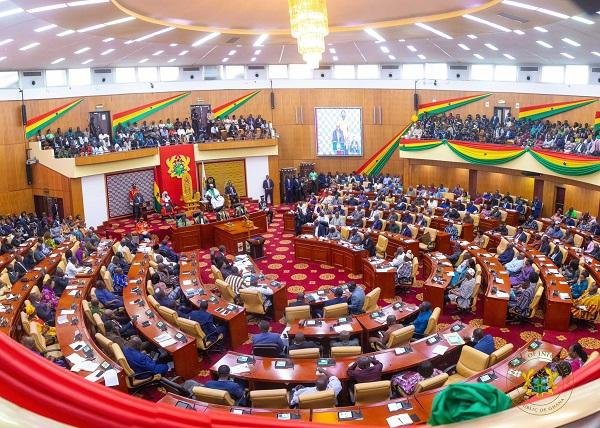
This system changes how public finances are protected, shifting the paradigm from passive bookkeeping to active operational monitoring.
When the executive branch submits audited accounts to legislative scrutiny, the process provides an adversarial review mechanism where opposition oversight forces the validation of target indicators.
This specific step ensures that funds collected on the back of fuel sales do not suffer from systemic administrative misallocations or unauthorized diversions into non-energy projects.
Through systematic data reconciliation, tracking public funds ensures that statutory allocations match actual infrastructural deployment on the ground.
Consequently, this detailed review process curtails institutional waste while ensuring public revenue maps back to its primary legal mandate.
Power Interventions and Debt Resolution Dynamics
Resolving long-standing payment backlogs within the generation chain requires consistent capitalization pathways that can be independently verified by public auditors.
The continuous utilization of specialized levies serves as a critical stabilization tool to prevent systemic failures across local distribution networks.
Clear reporting structures give independent market analysts and international partners the opportunity to measure the exact pace of debt reduction.
Making this financial information public helps reduce speculation regarding state insolvency and provides insight into the actual balance sheets of state-owned entities.

“And when the committee invite us, we’ll go and present the details,” the finance minister stated, emphasizing the ministry’s readiness to participate in rigorous state-level questioning.
This proactive approach to data checking serves to calm market anxieties and provides clear answers to the Minority Caucus regarding operational funding.
Having clear, visible cash flows helps stabilize relations with independent power producers who rely heavily on regular payments from the energy sector accounts.
Enhancing Public Trust Through Open Governance
Public tracking of specialized tax revenues helps rebuild trust between state administrators and downstream consumers who bear the direct cost of fuel pricing adjustments.
Providing access to transactional documentation changes the public conversation from emotional political debates into data-driven policy evaluations.
This structured transparency allows civil society organizations to track state promises against real-world progress in stabilizing the national grid.
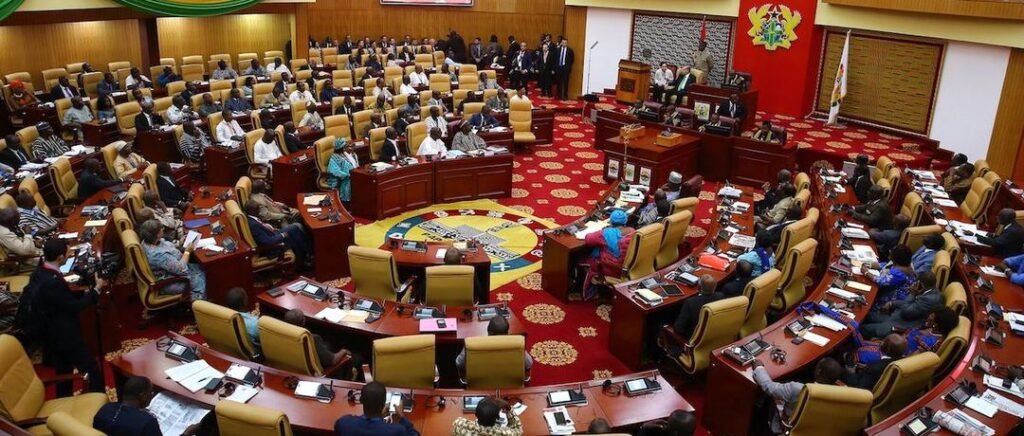
Open governance practices reduce administrative loopholes and ensure that public institutions are held directly responsible for energy market failures.
The systematic presentation of financial information establishes a strong precedent for tracking public resources across all sectors of the economy.
When government agencies provide open data to parliamentary oversight teams, it strengthens the operational framework of public financial management acts.
This verification process shows how structural monitoring reduces corruption risks and improves overall administrative efficiency. This method ensures that the revenue collected from citizens is used effectively to support and maintain vital public utilities.
READ ALSO: Ayra Starr Set to Grace NPR Tiny Desk for Black Music Month