Ghana has reaffirmed its commitment to advancing climate services and meteorological systems as the Minister for Communication, Digital Technology and Innovations, Samuel Nartey George, engaged a high-level delegation from the World Meteorological Organization, ECOWAS Commission, and AGRHYMET Regional Climate Center during an official visit in Accra.
The meeting, which forms part of a five-day technical mission running from April 13 to 17, 2026, focused on strengthening collaboration in climate monitoring, early warning systems, and digital innovation. The engagement highlights Ghana’s growing role in regional climate coordination and its efforts to build resilient systems to address environmental challenges.
The Minister described the visit as timely, noting that it aligns with Ghana’s strategic agenda to leverage technology and partnerships to improve climate data systems and enhance national preparedness. The engagement also reflects increasing regional cooperation on climate resilience, as West African institutions continue to strengthen coordination in meteorological and hydrological services.
Ghana Prioritises Climate Collaboration and Digital Innovation
During the discussions, the Minister emphasised Ghana’s readiness to deepen partnerships with regional and international institutions to improve climate services. He highlighted the establishment of a Climate Change Secretariat as a key step toward coordinating national responses to climate-related challenges.
“This mission is timely, and Ghana stands ready to deepen partnerships, build capacity, and enhance climate monitoring through digital innovation,” he stated.
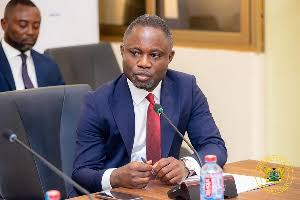
Hon. Samuel Nartey George, Minister for Communication, Digital Technology and Innovations
The Minister further noted that integrating digital technology into meteorological systems would improve data collection, forecasting accuracy, and dissemination of early warning information to communities. Climate experts have consistently emphasised the importance of such systems in mitigating the impact of extreme weather events, including floods and droughts, which are becoming increasingly frequent across the region.
Delegation Underscores Ghana’s Regional Leadership Role
Leading the mission, Dayo Guiguigbaza-Kossigan highlighted Ghana’s strategic importance in regional climate coordination. He noted that Ghana’s institutions, particularly the Ghana Meteorological Agency, have made significant progress in developing innovative climate services and early warning systems.
The delegation commended the Minister for his leadership in advancing Ghana’s digital transformation agenda, particularly efforts to integrate technology into climate monitoring and service delivery.
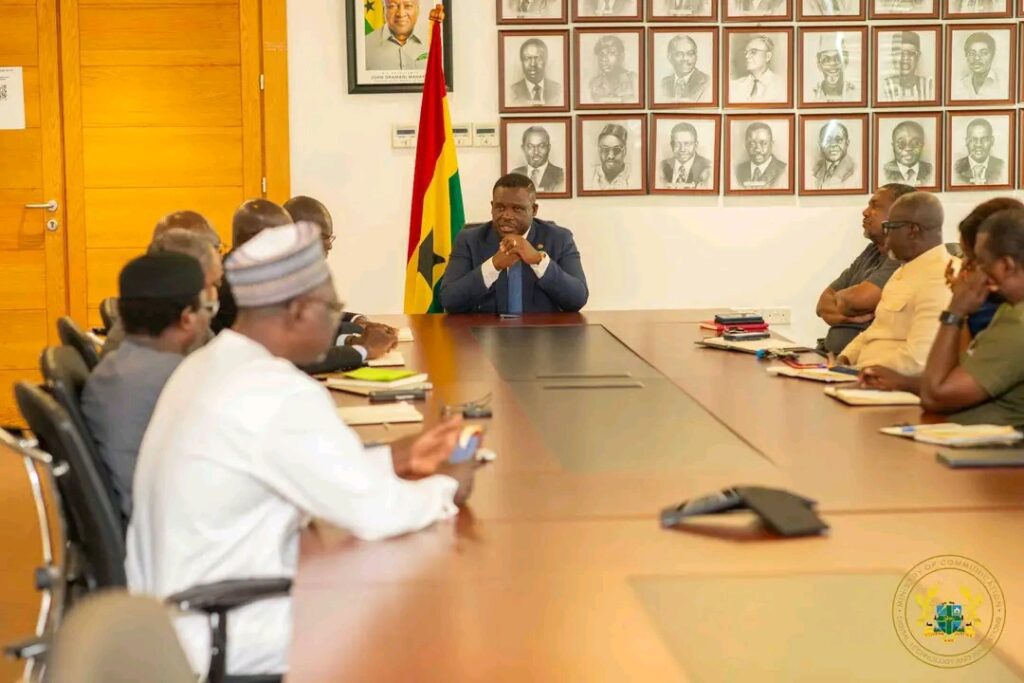
The visit also included technical experts such as Bernard Edward Gomez, Raoul Kouame, and Abdou Ali, among others, reflecting a broad collaboration across regional and international institutions. Such partnerships are increasingly seen as critical in addressing cross-border climate challenges, including water resource management, agricultural planning, and disaster risk reduction.
Mission Focuses on Capacity Building and Joint Programmes
The five-day mission is centred on technical consultations, capacity assessments, and the development of joint programmes to strengthen meteorological and hydrological services across West Africa.
According to officials, the mission will identify gaps in existing systems and propose collaborative solutions to improve service delivery. These efforts are expected to support key sectors such as agriculture, where accurate climate data plays a vital role in guiding farming decisions and improving productivity.
Regional initiatives led by ECOWAS and AGRHYMET have already demonstrated the importance of climate information in supporting farmers and enhancing food security. The mission will also explore opportunities to harmonise climate data systems across countries, enabling better coordination and information sharing within the region.
“This engagement will help strengthen institutional partnerships and support the development of joint programmes that improve climate resilience.”
ECOWAS and AGRHYMET Officials
Strengthening Resilience Through Regional Cooperation
The engagement underscores the growing recognition that climate change is a shared regional challenge requiring coordinated responses. West African institutions, including ECOWAS and its partners, have increasingly prioritised investments in climate services, early warning systems, and capacity building to improve resilience across member states.

For Ghana, the collaboration presents an opportunity to enhance its climate monitoring capabilities while contributing to regional efforts aimed at reducing vulnerability to environmental risks. The presence of key stakeholders, including the Director-General of the Ghana Meteorological Agency, Eric Asuman, further highlights the importance of institutional coordination in achieving these objectives.
Outlook for Climate Services in Ghana
As the mission progresses, attention will focus on translating discussions into actionable programmes that strengthen climate services and improve data-driven decision-making.The collaboration is expected to yield long-term benefits, including improved forecasting systems, enhanced disaster preparedness, and stronger support for sectors such as agriculture and water management.
Ultimately, the engagement signals Ghana’s commitment to leveraging partnerships and innovation to address climate challenges while positioning itself as a leader in regional meteorological collaboration.
READ ALSO: Government to Deploy 24,534 Medical Equipment in Major FPH Retooling Drive