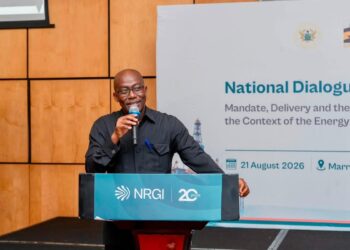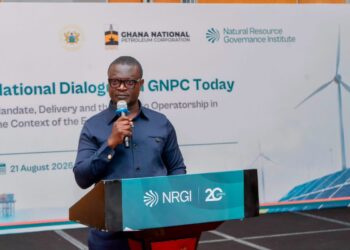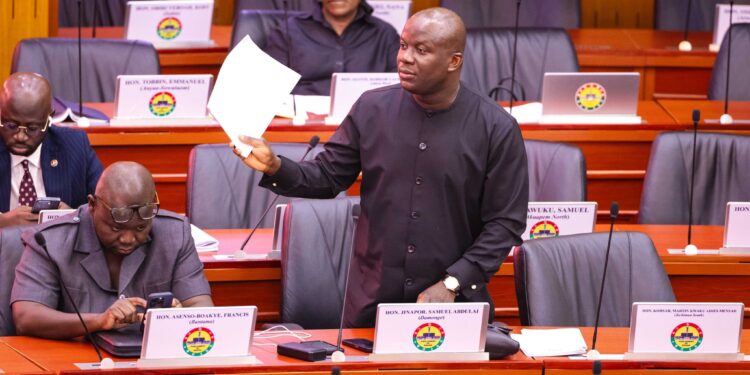
Hon. Samuel Jinapor, the Member of Parliament and former Minister of Lands and Natural Resources, has lauded the visionary leadership of Dr. Mahamudu Bawumia in transforming Ghana’s monetary landscape through the Domestic Gold Purchase Programme (DGPP).
Highlighting the policy as a pivotal turning point for the nation’s central bank, Samuel Jinapor noted that before Bawumia’s intervention, Ghana lacked a structured domestic gold acquisition strategy, leaving national reserves in a state that was “nothing to write home about.”
The former Minister emphasized that Dr. Bawumia not only conceived the idea but also demonstrated exceptional leadership by carrying the cabinet through the approval process, ultimately leading to its promulgation as a flagship policy of the Akufo-Addo administration.
“For me, one of the things I’m most proud of and I’m most I feel so proud about for Dr MahamuduBawumia’s work was the domestic gold purchase programme. Until Dr MahamuduBawumia brought that idea, Ghana did not have a domestic gold purchase programme and Ghana’s gold reserves at our central bank was nothing to write home about.”
Hon. Samuel Jinapor
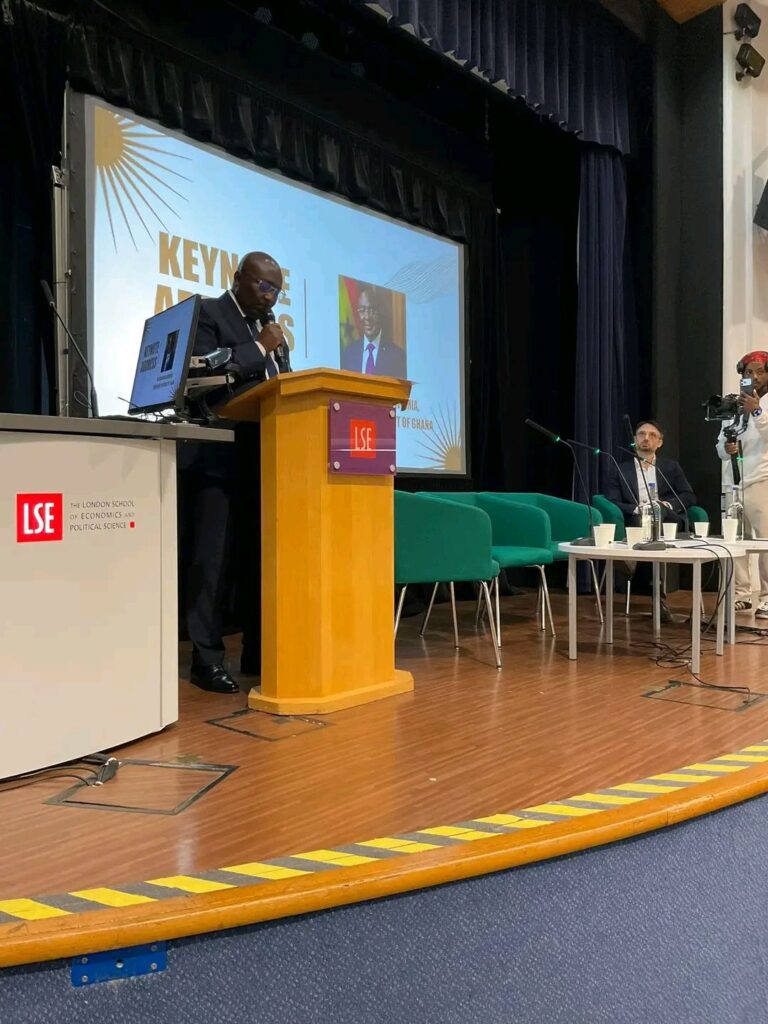
The implementation of the DGPP effectively repositioned the Bank of Ghana (BoG) as a “major player” in the local gold market, a shift that Jinapor oversaw directly during his tenure as the sector minister.
By signing the necessary regulatory paperwork and executive fiats, Jinapor ensured the programme had the legal and operational backing to thrive.
This strategic move facilitated a monumental surge in gold reserves, which Jinapor described as increasing “a thousand fold” and “many folds” from the previous stagnant levels.
This accumulation served as the “central factor” in stabilizing the Ghana Cedi, providing the central bank with the necessary bullion buffers to defend the local currency against external shocks and exchange rate volatility.
“I had the privilege to be the minister responsible for mines and sign all the regulatory paperwork and fiat to ensure the domestic gold purchase programme came into being and thrived. It increased the gold reserves of the central bank of our country many folds. This has essentially been the central factor for stabilising our national currency.”
Hon. Samuel Jinapor
Strategic Shift from Paper to Bullion
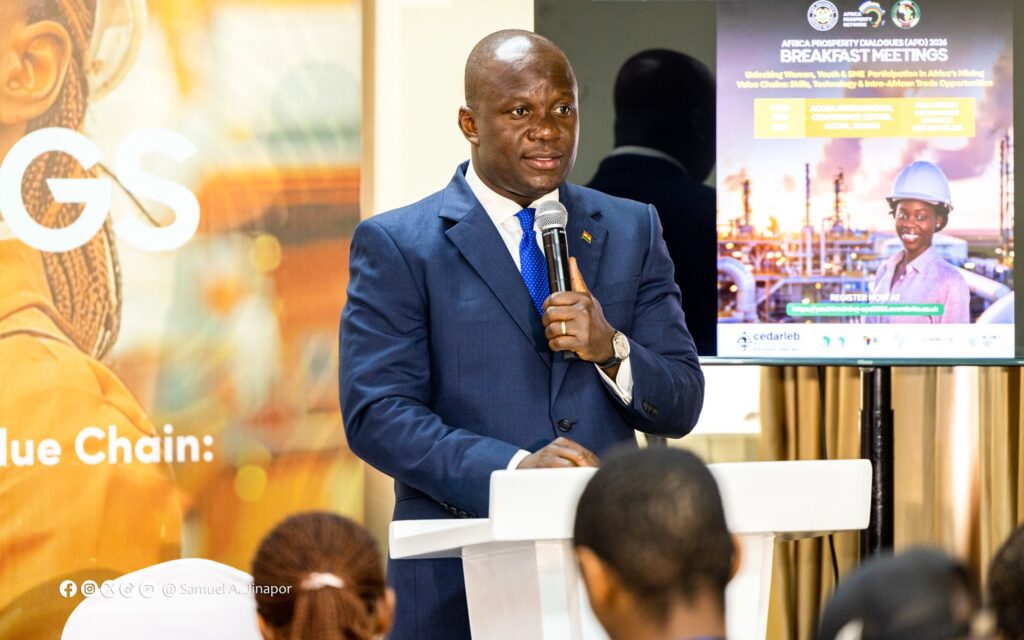
The transition toward a gold-backed reserve system represents one of the most significant structural shifts in Ghana’s modern economic history.
For decades, Ghana’s status as a top global gold producer did not translate into physical wealth within the vaults of its central bank, as most bullion was exported for foreign currency.
Under the policy framework championed by Dr. Bawumia, the Bank of Ghana began purchasing dore gold locally from small-scale and large-scale miners, refining it to London Bullion Market Association (LBMA) standards.
This move ensured that “the central bank became a major player” in the industry, effectively retaining a portion of the nation’s mineral wealth within its own borders to support the balance of payments.
The “Gold for Oil” component, an extension of this domestic purchase philosophy, further leveraged these reserves to address the rising cost of fuel.
By using gold to pay for oil imports, the government reduced the intense demand for US dollars, which had historically been the primary driver of cedi depreciation.
This innovative “gold board concept” has been hailed as a masterstroke in resource management, allowing the state to use its finite mineral assets to solve immediate macroeconomic pressures while building a long-term safety net.
IMF Validation and Economic Stability
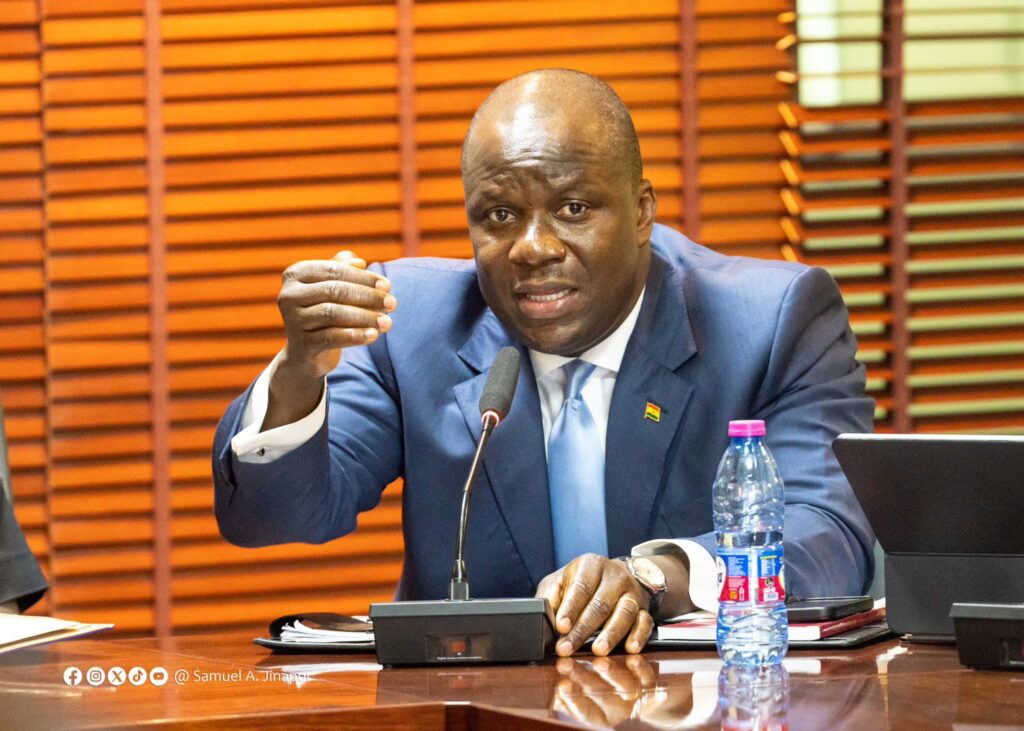
The success of this domestic gold-buying spree has not gone unnoticed by international financial institutions.
Hon. Samuel Jinapor pointed out that “the IMF just yesterday or so has acknowledged” the profound impact of the policy on the country’s economic recovery. In recent assessments, the International Monetary Fund (IMF) credited the programme with bolstering international reserves and easing pressure on the foreign exchange market during periods of extreme financial distress.
Data indicates that Ghana’s gold reserves jumped from a mere 8 tonnes to over 30 tonnes within a short window, providing a psychological and fiscal anchor for the economy.
Beyond currency stabilization, the policy has fostered a more formalized mining sector.
By providing a guaranteed, reputable market for artisanal and small-scale miners through the Bank of Ghana, the government has been able to track production more accurately and reduce the incentives for gold smuggling.
Samuel Jinapor reaffirmed his support for the “gold board” framework, noting that when “implementation is done properly,” it serves as the bedrock upon which the government builds a resilient economy. This institutionalization of gold purchasing has turned a dormant mineral resource into an active tool for national sovereignty and financial independence.
READ ASLO: Deputy Finance Minister Pledges Immediate Payment For All Unpaid Teachers