Tyler Robinson, the man accused of killing Charlie Kirk, wants the judge to ban cameras from the courtroom, saying that live broadcasts of the prosecution are violating his right to a fair trial.
Tyler Robinson returned to state court in Utah as his attorneys asked to delay his May preliminary hearing and pressed their claims that biased coverage is tainting potential jurors in his aggravated murder case.
His attorneys wrote in their request to bar cameras that the predominant purpose being served by the live stream coverage “has not been the educational reporting of the court proceedings, but rather advertising profit, sensationalism, political agendas, and, most prominently, the vilification of Mr. Robinson.”

Among numerous examples cited was a news story they say suggested Robinson confessed to Kirk’s killing during a courtroom conversation on Dec. 11, in his first appearance after being charged. The conversation with his attorneys was inaudible, but the story cited a “lip reading analysis” to support its claim that Robinson said, “I think about the shooting daily.”
Media sensationalism around the case has cut both ways. In a March 30 headline, the UK-based news agency reported the bullet that killed Kirk “did NOT match” a rifle allegedly used by Robinson. The story was based on an inconclusive, preliminary finding by ballistics experts and led to speculation about Robinson’s possible exoneration.
According to court documents, the FBI is running additional tests. Media organizations, prosecutors and Kirk’s widow, Erika Kirk, want the court to allow cameras. They argue the best way to guard against the misinformation and conspiracy theories that concern Robinson’s defense team is to make the process transparent.
Yet livestreaming by media outlets already has tested the patience of Judge Tony Graf. During the December hearing, Graf temporarily stopped the livestream after it showed the defendant’s shackles in violation of a courtroom decorum order. A January hearing was interrupted when Robinson’s attorneys said close-up shots of Robinson being livestreamed by a local television station could again lead to claims based on lip reading. That, too, was a violation of Graf’s decorum order. The judge ordered the camera operator not to film Robinson for the remainder of the hearing.
In recent hearings and again today, pool cameras for the media were stationed at the rear of the courtroom, behind Robinson. Graf also made camera operators come before him to acknowledge they understand the rules. Mike Judd, a lawyer for a coalition of media organizations that are fighting to preserve access, said that Graf so far has focused on whether his rules inside the courtroom are being followed, not what the media is saying outside of court.
No Trial Date Set
Robinson, who turned 23 on Thursday, has not yet entered a plea. A trial date has not been set.
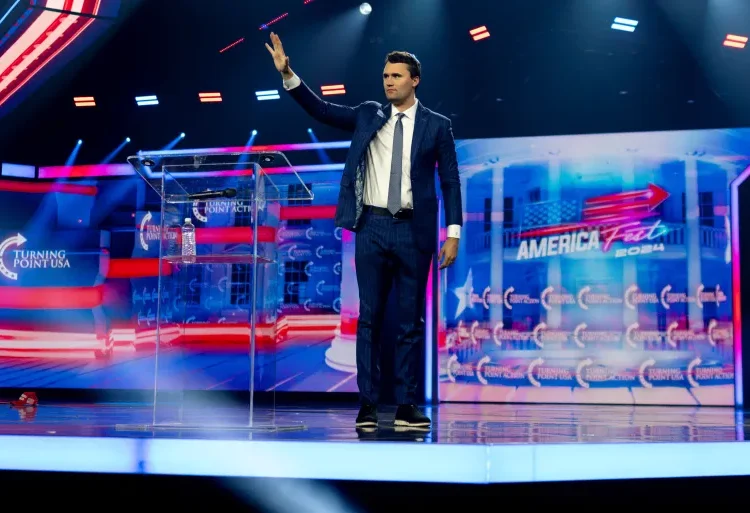
Prosecutors intend to seek the death penalty for Robinson should he be convicted in the Sept. 10 shooting of Charlie Kirk, the conservative activist, who was addressing a crowd of thousands on the Utah Valley University campus in Orem.
The preliminary hearing scheduled for May is for prosecutors to show they have enough evidence to proceed to trial. Authorities have said DNA consistent with Robinson’s was found on the trigger of the rifle, the fired cartridge casing, two unfired cartridges and a towel used to wrap the rifle.
However, the defense argued today that it cannot move forward with the hearing until law enforcement agencies turn over more details about their DNA analysis of evidence. Prosecutors responded that they have sufficient proof beyond DNA to tie Robinson to Kirk’s killing. That includes surveillance video of Robinson near the university from the morning of the shooting wearing the same clothes as when he turned himself in. Prosecutors said that Robinson left a handwritten note for his romantic partner confessing to the crime before it happened, and also confessed to friends on the chatroom platform Discord.
Deputy Utah County Attorney Ryan McBride said that rescheduling the preliminary hearing could delay the proceedings six months. “Justice delayed is justice denied,” he added.
READ ALSO: Hon. Michael Aidoo Calls for Parliamentary Inquiry into Ghana Gas Negligence