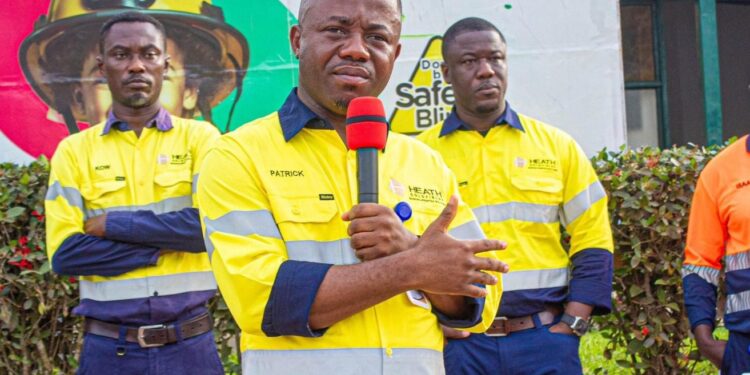
Catchment Area Community Alliance (CACA) has called upon the Ministry of Lands and Natural Resources to exercise its statutory authority under Section 68 of the Minerals and Mining Act, 2006 (Act 703) to immediately terminate the Bogoso-Prestea mining leases held by Heath Goldfields Limited.
This urgent demand follows what the alliance describes as a period of profound operational failure, environmental neglect, and alarming fiscal irregularities that have left the strategic Bogoso-Prestea mine in a state of terminal decline.
“For the sake of the Prestea-Huni Valley communities, national revenue, and the integrity of Ghana’s mining sector, we respectfully urge the Honourable Minister to exercise his powers under Section 68 of the Minerals and Mining Act 2006, Act 703, to terminate Hefe Gold Foods’ mining leases without further delay, and initiate a transparent process for a genuinely capable investor.”
lawyer Martin Kpebu
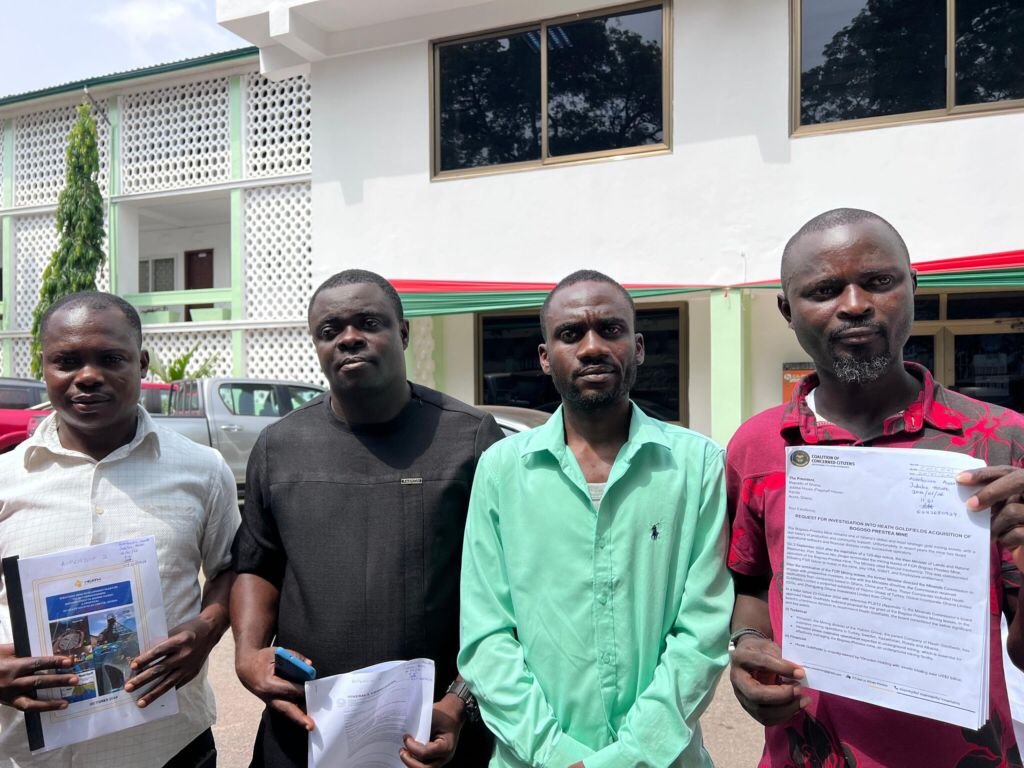
The situation has deteriorated significantly over the past 16 months, leaving the underground mine permanently flooded and the primary processing facility effectively non-operational.
While the Tailings Storage Facility (TSF) has reached a precarious state that threatens the safety of local communities, the company has simultaneously failed to procure essential equipment like the primary crusher.
Furthermore, the operator has been accused of reckless financial conduct, specifically by allegedly encumbering the state’s mineral rights with a $65 million pre-payment facility from Trafigura a move executed without the required parliamentary ratification or ministerial consent, constituting an apparent violation of the 1992 Constitution and the Minerals and Mining Act.
Legal and Operational Non-Compliance
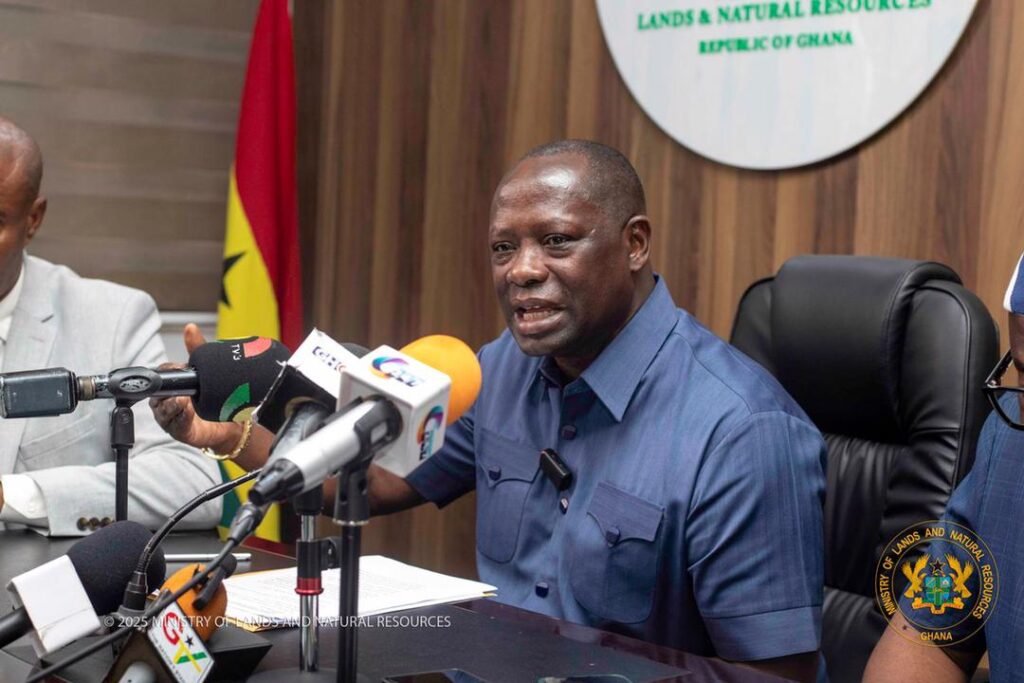
The grievances voiced by CACA extend beyond simple project delays; they highlight a systemic disregard for regulatory frameworks.
Legal practitioner Martin Kpebu, who has been instrumental in amplifying these concerns in Accra, argued that the company’s inability to meet its financial and operational obligations is a “matter of national interest and accountability.”
According to Mr. Kpebu, the company secured its position based on what he characterizes as an “investment mirage” promises of substantial capital injection that never materialized.
This pattern of behavior, which includes the accumulation of massive outstanding debts to local contractors, employees, and the state, mirrors the failures that preceded the departure of the previous operator.
The emergence of illegal mining in abandoned sections of the concession further underscores the vacuum of effective corporate governance currently plaguing the site.
The Imperative for Sector Integrity

The push for termination is not merely a reaction to current failures but a necessary step to restore the integrity of Ghana’s extractive industry.
A transparent and legal termination process, as guided by Act 703, serves as a mechanism for government accountability.
By invoking Section 68, the state sends a clear signal that the “social license to operate” is contingent upon performance, environmental safety, and strict adherence to national law.
Historically, when the state has acted decisively to remove non-performing operators, it has cleared the path for new investment that is better aligned with Ghana’s local content requirements and sustainable development goals.
Proactive enforcement ensures that strategic mineral resources are not held by speculative entities, but are instead entrusted to partners capable of generating actual value for the national economy and host communities.
Strategic Revitalization for Host Communities

For the people of the Prestea-Huni Valley, the transition away from Heath Goldfields is seen as the only viable path toward economic recovery.
The current lack of infrastructure development and the threat posed by the unstable TSF have stalled the local economy, which relies heavily on a functioning mining operation.
A clean break allows the Ministry to initiate a competitive and transparent selection process for a new investor, ensuring the incoming party possesses the verified financial strength and technical expertise required to rehabilitate the flooded underground shafts and modernize the processing plant.
Such a transition would not only safeguard jobs but also provide the necessary impetus for environmental remediation and long-term infrastructure investment, finally honoring the development commitments that were promised to these communities but remain unfulfilled.
READ ALSO: Hopeson Adorye Predicts Total Collapse of NPP by 2028