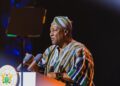
The Public Accounts Committee scrutinized severe financial irregularities involving the Atwima Nwabiagya Municipal Assembly during a recent sitting in Kumasi. Lawmakers reviewed the 2024 Auditor-General’s Report and identified significant breaches of the Public Financial Management regulations regarding unauthorized cash transactions.
Members of the committee questioned Mr. Eric Anarfi, the Municipal Assembly Municipal Coordinating Director over the disbursement of funds outside the Ghana Integrated Financial Management Information System. Records indicated that the assembly bypassed mandatory electronic payment platforms to conduct substantial business using physical cash instead of verified transfers.
Ketu North Member of Parliament Eric Edem Agbana led the interrogation regarding the approval of over 400,000 Ghana cedis in cash payments. He noted that the assembly disregarded legal requirements to pay filling stations and service providers through crossed checks or electronic channels.
The Municipal Coordinating Director of Atwima Nwabiagya, Eric Anarfi admitted that the assembly faced immense pressure to complete road projects within the municipality during the period. He explained that suppliers refused assembly checks due to previous instances of nonpayment and a total lack of trust in their creditworthiness.
Committee members dismissed the excuse of situational pressure as a valid reason for violating national financial laws and protocols. Honorable Agbana emphasized that the assembly had the responsibility to find law-abiding alternative entities rather than resorting to illegal cash disbursements.
“Your explanation is not acceptable because you are not operating outside the law and you are working within regulations and within the law. Therefore, if you want to make a payment and the person says they will not accept your check, you must find an alternative. You go to another entity that will accept the check or accept payment via electronic transfer.”
Honourable Eric Edem Agbana (MP, Ketu North and PAC Committee Member)

The timing of these payments caused further alarm as they coincided with the post-election transition period in December 2024. Lawmakers suggested that officials might have exploited the transition to expedite these irregular payments without proper oversight or administrative scrutiny.
Honorable Ahenkwah Yaw Frederick described the situation as “damning” and questioned the credibility of a municipal institution whose checks were rejected. He asserted that a whole Municipal Assembly issuing bounceable checks indicated fishy activities and a failure of the spending officer’s primary duties.
The Coordinating Director cited cash flow challenges and delays in fund releases as the primary cause of the strained relationships with suppliers. He stated that the assembly struggled to meet financial obligations as planned, which forced them into difficult negotiations with their various service providers.
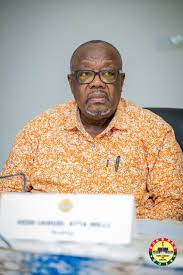
Ranking Member of the Committee, Honourable Samuel Atta Mills highlighted specific withdrawals totaling 350,000 Ghana cedis made on the final day of the year. He stated, “On December 31st, you withdrew close to 150,000. You paid cash close to 150,000. December 31st, 2024, about 200,000.”
These revelations sparked intense debate about the integrity of local government financial management and the effectiveness of internal controls. The committee signaled its intention to recommend further disciplinary actions against officers who presided over these documented breaches of the law.
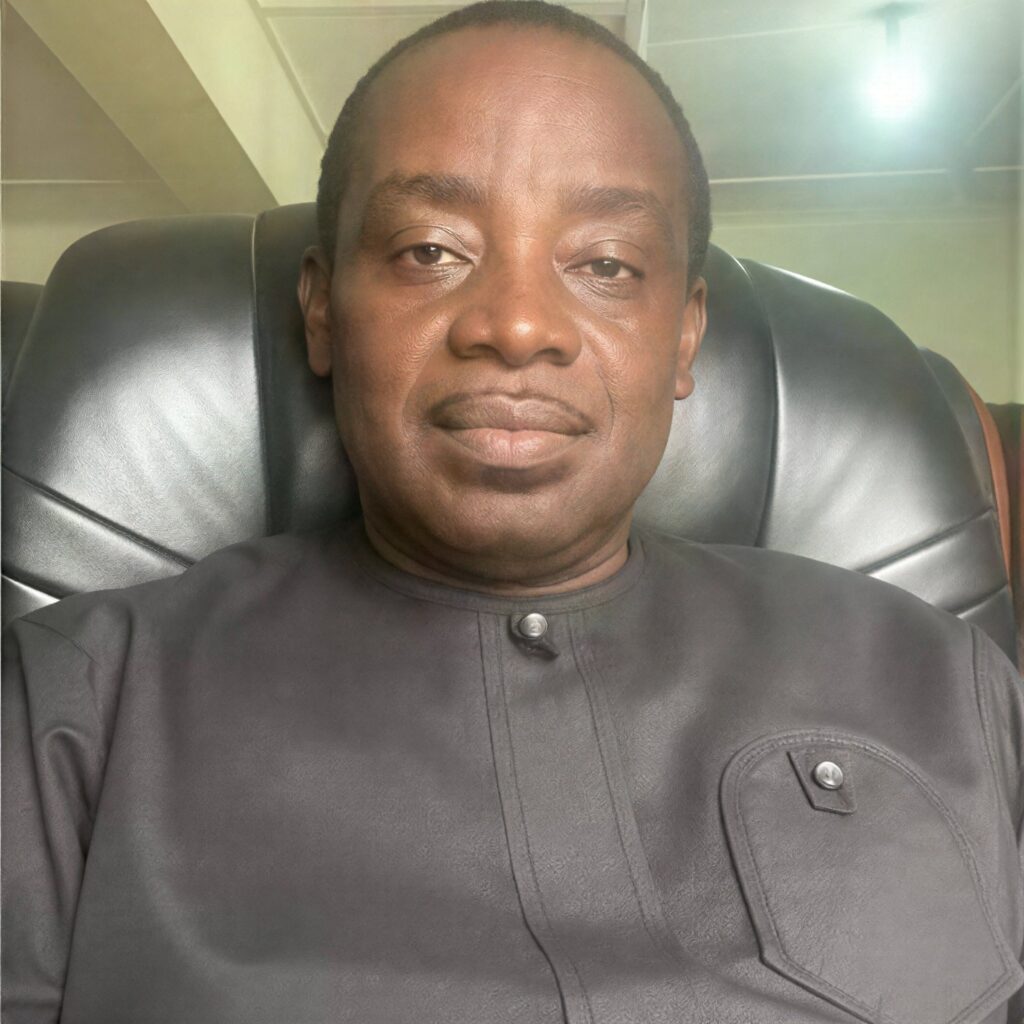
Lawmakers Demand Accountability Over Late December Cash Withdrawals
The Public Accounts Committee session intensified as the committee demanded greater transparency regarding the liquidation of assembly funds during the 2024 transition period. Internal auditors indicated that the Atwima Nwabiagya Municipal Assembly failed to maintain adequate documentation for several high-value cash transactions.
Hearing transcripts showed that payments were made outside the GIFMIS platform, despite established safeguards designed to prevent misuse of public funds. The Coordinating Director admitted that cash payments to fuel suppliers deviated from standard procedures, citing operational pressure and strained supplier relationships.
Committee members, however, rejected this justification, stressing that compliance with financial regulations is non-negotiable regardless of circumstances. Concerns were further raised about the timing of the transactions, particularly those executed on December 31, 2024, amid the post-election transition.
The Director explained that although some road projects were completed earlier in October, payments were delayed due to funding challenges, necessitating later settlements when funds became available. He maintained that the assembly acted to clear outstanding obligations, albeit through unconventional means.
Honorable Ahenkwah Yaw Frederick drew attention to the concerns, questioning why private entities had lost confidence in the assembly’s financial instruments. He argued that the refusal to accept official checks pointed to serious credibility issues within the administration.
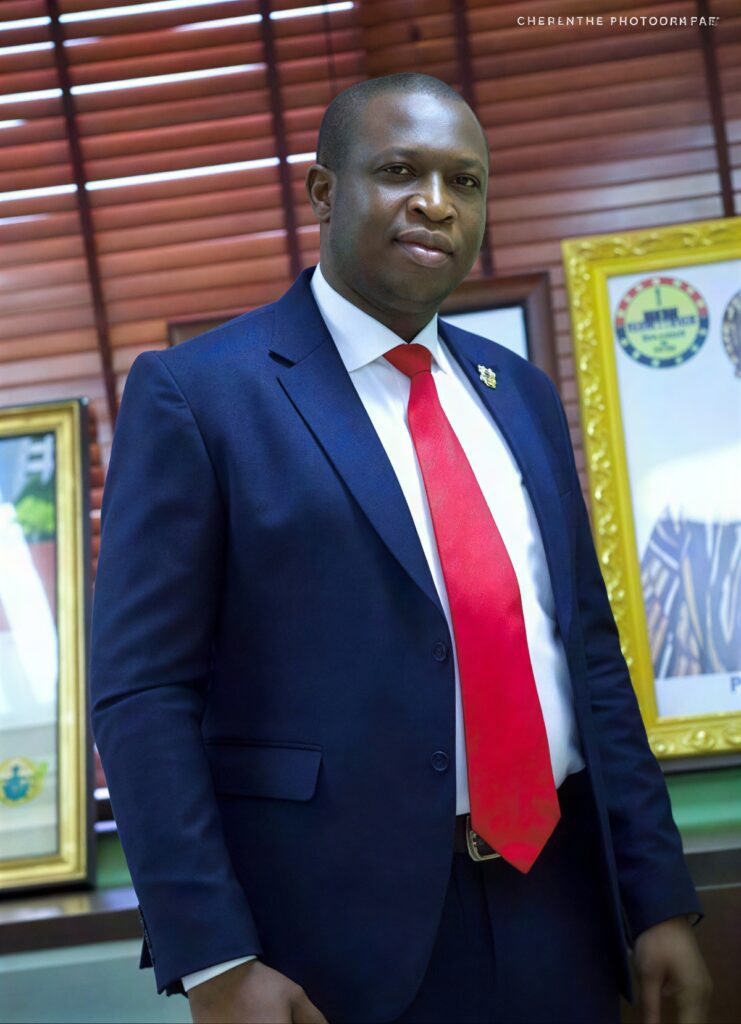
The Ranking Member also flagged a pattern of heavy cash withdrawals toward the end of the year, suggesting a possible attempt to exhaust available funds before the close of the financial cycle. He described the transactions as suspicious, noting the absence of verifiable electronic records.
Committee members further examined the roles of key officials in approving the transactions, warning that bypassing formal financial systems exposed public funds to potential abuse. External auditors reverberated these concerns, stating that the lack of traceable records made it difficult to confirm whether payments reached the intended beneficiaries.
The Committee subsequently directed the assembly to submit detailed documentation, including bank statements and payment vouchers, to reconcile inconsistencies identified in the Auditor-General’s report.
READ ALSO: GoldBod Initiates Procurement of National Traceability System