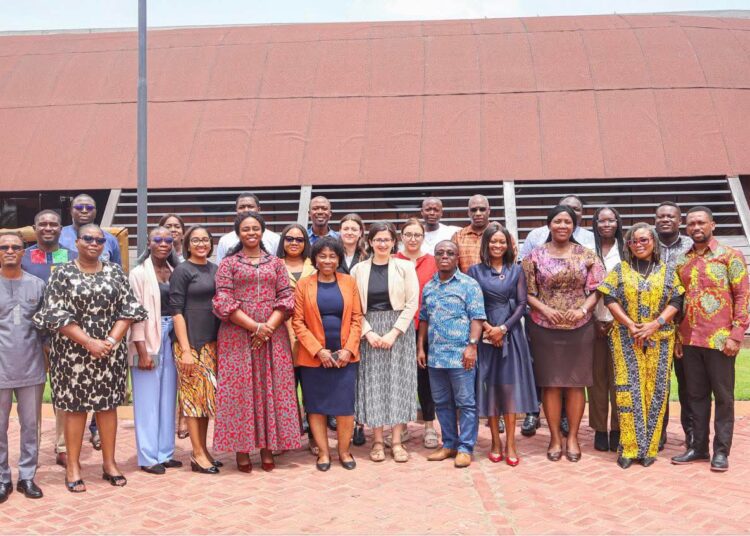
The National Development Planning Commission (NDPC), in partnership with Results for Development (R4D), World Bank, and UNICEF Ghana, has successfully held a two-day pilot workshop to reinforce district-level capacity for food systems and nutrition programming.
The workshop brought together district-level officials in charge of planning, budgeting, health, nutrition, agriculture, education, and social welfare from Ada East, Ningo-Prampram, and South Tongu. Also, in attendance were Technical representatives from some key Ministries, Departments, and Agencies (MDAs). These departments and agencies are responsible for guiding on specific issues relating to their areas of interest.
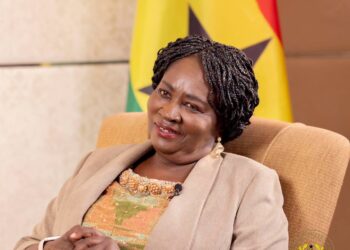
Mrs. Alice Amekudz spoke on behalf of the Director-General of NDPC. She highlighted the pivotal role of food structures and nutrition in Ghana’s progress agenda. She noted that in spite of the notable policy growth, the country still has issues with the lingering burden of malnutrition, undernutrition, overnutrition, and micronutrient deficiencies.
These issues are mainly caused by food systems that are not adequately strong, comprehensive, or lays emphasis on good nutrition. She further reiterated the need for well-coordinated, well-informed, well informed and multi-sectoral methods at the district level, where planning decisions directly translate into expansion outcomes.
Mrs. Amekudzi also pointed out that the pilot workshop was intended to serve as a real-world, results-oriented exercise to prepare district officials with investigative tools to advance evidence-based, costed, and implementable programs that are in line with the Medium-Term Development Plans.
Stakeholders To Collaborate And Ensure The Success Of The Program
In her speech, she called on stakeholders to come together to work to ensure the success of the initiative. She laid emphasis on the need for cross-sectoral partnership, highlighting that insights from the pilot program would impact positively on the overall formation and implementation of the policy.
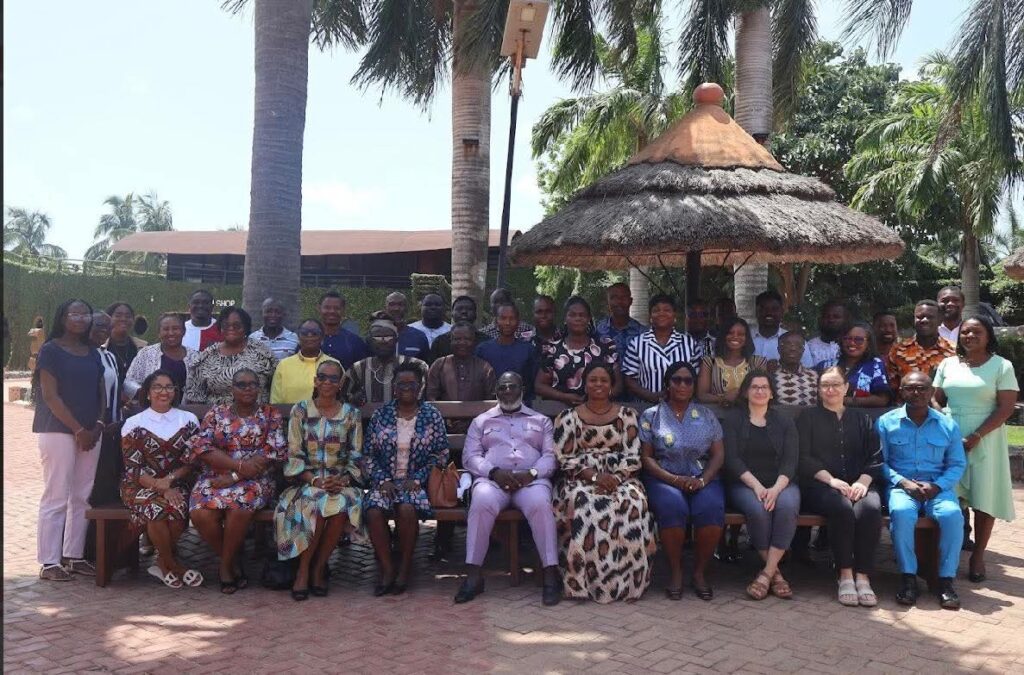
Technical sessions were led by NDPC officials, including Mr. Nii-Odoi Odotei and Mr. Daniel Amofa. The officials took the participants through the overview of the food systems and nutrition importance area under Ghana’s 2026–2029 Medium-Term National Development Policy Framework. They also presented district-level assessments for the three participating districts.
The workforce strengthened the vital role good nutrition plays in promoting quality health outcomes. Eating well-balanced food also supports productivity and economic growth. This is because the individual is strengthened and is able to work hard, leading to higher productivity outcomes and ultimately improving finances.
The cost of malnutrition comes with frequent hospital visits and spending on drugs when the situation could have been avoided if good nutrition had been practiced. District teams received guidance through hands-on tools and procedures for carrying out situational analyses, ranking key setbacks, and developing evidence-based, multi-sectoral programs.
Among the attendees was the Ada East District Coordinating Director, Madam Jean Ameley Tagoe, who delivered a statement on behalf of the District Chief Executive. In her statement, she applauded NDPC and its partners for choosing the district as part of the nationwide pilot program.
“She described the initiative as timely and strategic, particularly in addressing persistent nutrition challenges within the district and the broader region. Despite the availability of food resources, she noted that poor nutrition outcomes remain prevalent, especially among children and women of reproductive age.”
National Development Planning Commission
She labelled the plan as being timely and strategic, especially in helping to resolve long-standing nutrition challenges within the district and the broader region. Despite the availability of food resources, she noted that poor nutrition outcomes remain prevalent, especially among children and women of reproductive age. She further observed that many interventions are implemented in isolation, underscoring the importance of the integrated, multi-sectoral approach promoted through the workshop.
Madam Tagoe laid emphasis on the important role of district-level planning in translating national policies into impactful local actions, describing the district as the most effective entry point for addressing food systems and nutrition challenges. She called on participating officers to take full ownership of the process and ensure that the outcomes of the workshop are reflected in district development priorities and programs.
The pilot workshop forms part of NDPC’s broader efforts to reinforce decentralized planning systems and fast-track growth towards better-quality nutrition results and sustainable food systems in Ghana.
READ MORE: GoldBod Initiates Procurement of National Traceability System