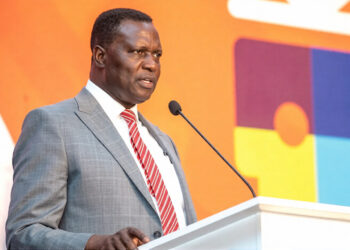

At the 2026 May Day celebration held in Koforidua in the Eastern Region, John Dramani Mahama outlined plans to reform Ghana’s salary structure and pension system as part of a broader effort to improve fairness and protect workers.
Addressing a gathering of workers and labour representatives, the President linked these reforms to his administration’s Resetting Ghana agenda, which aims to modernise labour systems and respond to evolving work patterns.
He indicated that the government is nearing completion of a new labour bill designed to reflect current trends in the world of work. These include remote employment, digital platforms, and the growing gig economy.
According to him, the proposed legislation seeks to ensure that all workers, regardless of their sector or location, are adequately protected under the law.
New Labour Bill to Address Changing Work Patterns
President Mahama explained that the new labour bill will introduce measures to guarantee fair contracts and extend benefits to workers who may have previously been excluded from traditional protections.
He emphasised that the changes are intended to recognise the realities of a modern workforce, where employment is no longer limited to conventional office settings.
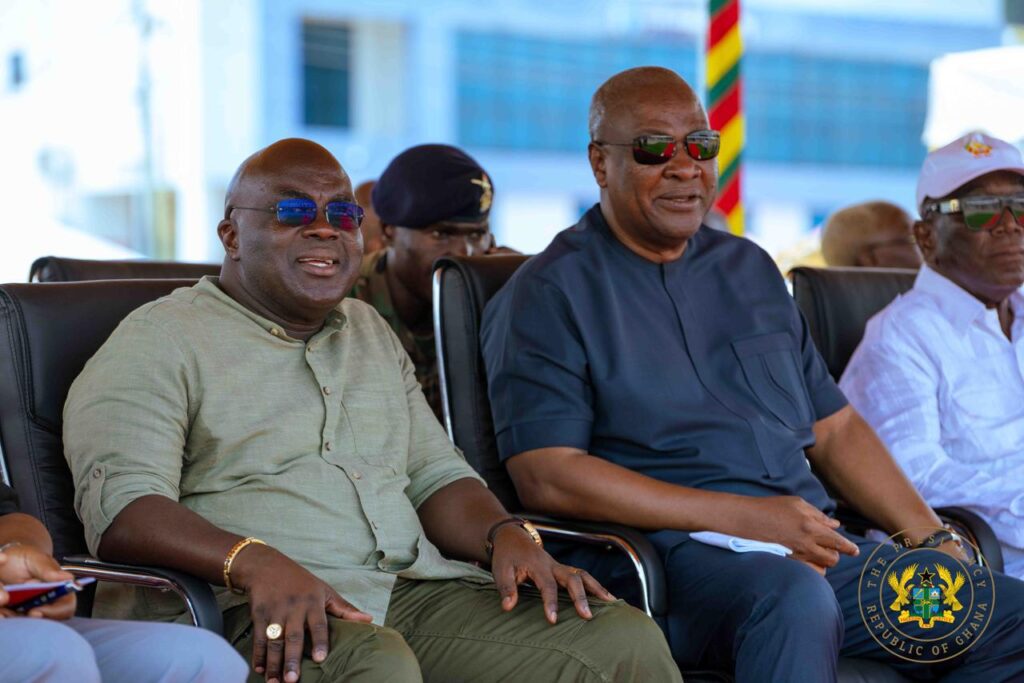
He stated that under the new framework, workers who operate through digital platforms or mobile applications will have access to the same rights and protections as those in formal employment. These include secure pensions and clearly defined labour rights.
The President noted that the goal is to ensure that dignity in work is upheld across all sectors. The proposed bill forms part of a wider strategy to align labour regulations with global trends while addressing local concerns.
By adapting to these changes, the government aims to create a more inclusive labour environment that reflects the diversity of employment arrangements in the country.
Plans for a Fairer Salary Structure
A central feature of the President’s address was the announcement of steps to establish a more equitable system for public sector salaries. He revealed that the Fair Wages and Salary Commission has begun work toward the creation of an independent emoluments commission.
This body is expected to oversee the determination of salaries for public officials and workers. According to the President, the proposed commission will introduce a uniform and transparent approach to remuneration across the public sector.
The intention is to ensure that salaries are aligned with economic conditions and reflect the cost of living. He explained that the reform will cover all levels of public service, from the highest offices to the lowest paid workers.
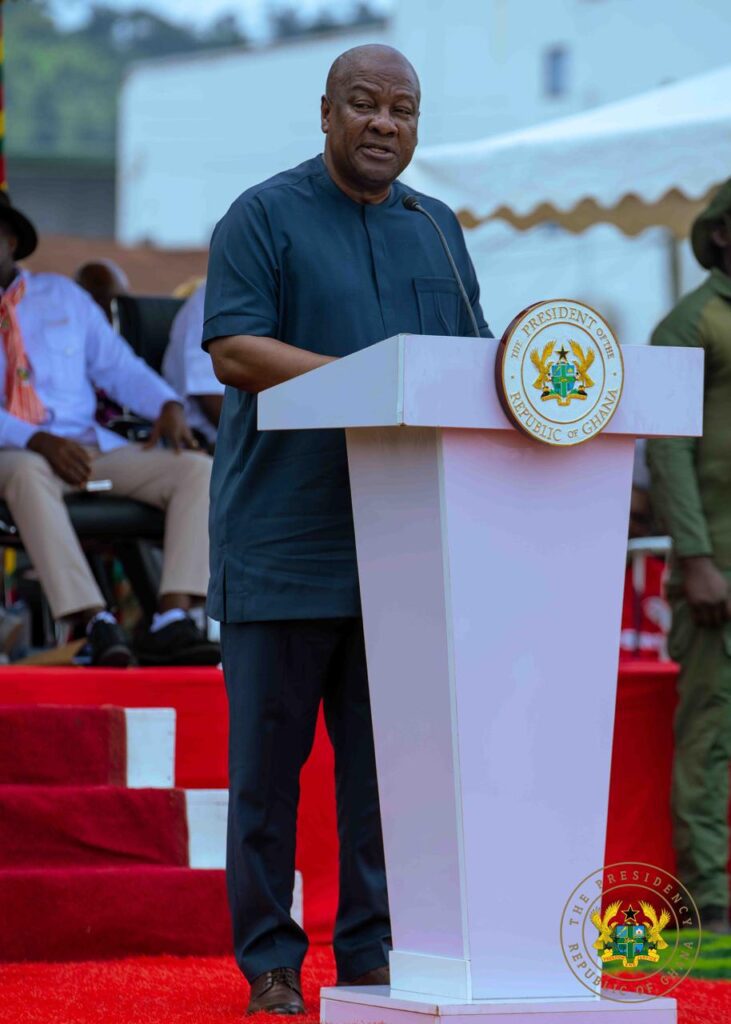
President Mahama also indicated that the government plans to use the constitutional review process to address issues related to Article 71, which governs the conditions of service for certain public office holders.
He noted that the current arrangement has created imbalances in the salary structure, and reforms are needed to correct these distortions. He stated that the establishment of an independent commission would help reduce disparities and bring greater clarity to how salaries are determined.
The expected outcome, he said, is a system that promotes fairness and reduces tensions that often lead to industrial actions.
Resetting Compensation for Transparency and Equity
The President described the proposed changes as a reset of the country’s compensation framework. He emphasised that the objective is to build a system that is transparent and equitable while ensuring that workers receive wages that correspond to the actual cost of living.
He noted that a more structured and predictable salary system would contribute to stability within the public sector. By addressing long standing concerns about pay disparities, the government hopes to improve morale among workers and reduce uncertainty surrounding remuneration.
The reforms are also expected to enhance accountability by introducing clearer guidelines for salary determination. This, according to the President, will strengthen trust in public institutions and create a more balanced approach to compensation.
Review of Pension System
In addition to salary reforms, President Mahama announced plans to review the country’s pension system. He observed that although pension reforms were introduced several years ago, there has been no comprehensive assessment of how the system is functioning.
He acknowledged concerns raised by workers regarding the adequacy of pensions under the current tiered structure. According to him, many retirees continue to face challenges in meeting their financial needs, which has prompted the government to take action.
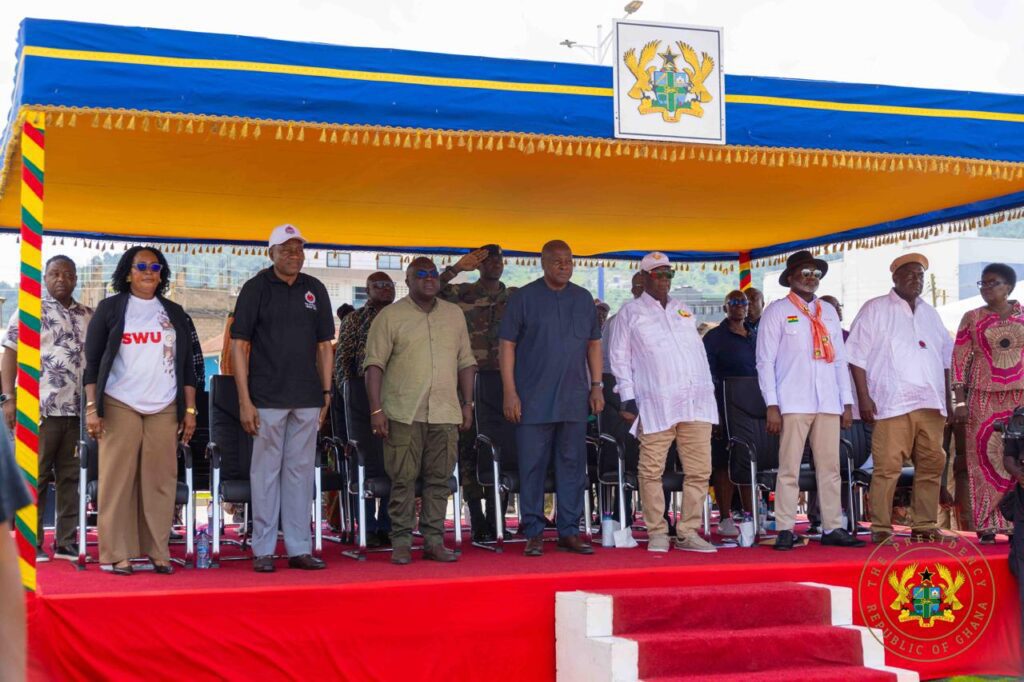
The President stated that a formal review of the pension scheme will be commissioned to evaluate its performance and identify areas for improvement. Following this review, consultations will be held with organised labour groups and other stakeholders to determine whether changes are necessary.
He emphasised that the aim of the review is to ensure that the pension system provides reliable and sufficient support for workers after retirement. By engaging stakeholders in the process, the government intends to build consensus around any proposed reforms.
Commitment to Worker Welfare
President Mahama’s address underscored a broader commitment to improving the welfare of Ghanaian workers. Through reforms to labour laws, salary structures, and pension systems, the administration aims to create a more balanced and supportive environment for employment.
The proposed measures reflect an effort to address both immediate concerns and long term challenges within the labour sector. By focusing on fairness, transparency, and inclusivity, the government seeks to strengthen the relationship between workers and the state.
As the Resetting Ghana agenda continues to unfold, these reforms are expected to play a key role in shaping the future of work in the country. The President’s remarks at the May Day celebration signal a shift toward policies that prioritise worker protection and sustainable livelihoods.
READ ALSO: President Mahama Targets 1% GDP Investment to Create Jobs