Ghana’s anti corruption drive is facing renewed strain as legal disputes over the prosecutorial authority of the Office of the Special Prosecutor continue to disrupt ongoing cases.
Recent High Court rulings requiring proof of authorization from the Attorney General have introduced uncertainty across multiple prosecutions, raising concerns about the pace and effectiveness of accountability efforts.
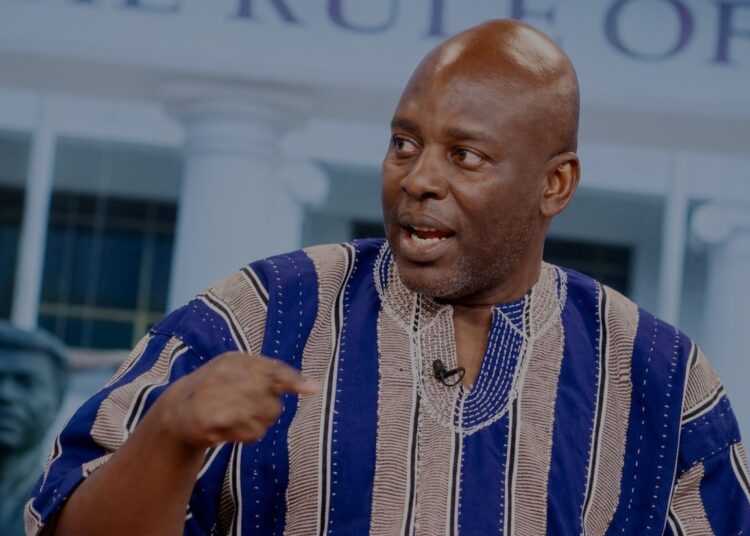
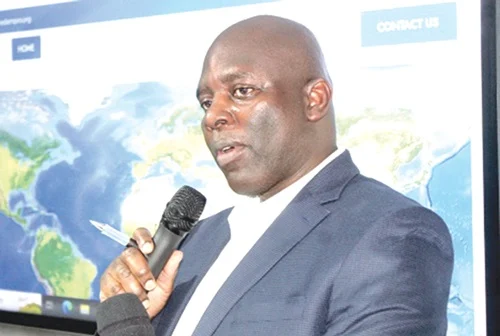
In an exclusive interview with The Vaultz News, Dr John Osae-Kwapong, Democracy and Development Fellow at the Ghana Center for Democratic Development and Project Director at the Democracy Project, warned that the situation could worsen if urgent judicial clarity is not provided.
He explained that the pattern emerging from different High Courts suggests that similar legal challenges are likely to surface in additional cases. This trend, he indicated, could further complicate the work of institutions tasked with prosecuting corruption.
Supreme Court’s Role Becomes Critical
Dr Osae-Kwapong stressed that the Supreme Court’s eventual interpretation of the issue will be decisive in shaping the future of Ghana’s accountability institutions.

According to him, the repeated questioning of the Special Prosecutor’s authority reflects a broader legal uncertainty that can only be resolved at the highest level of the judiciary. He noted that while courts must follow due process, the urgency of the matter requires timely intervention.
“It would be in the best interest of the Office of the Special Prosecutor as an institution,” he stated, adding that resolving the matter quickly would also strengthen the country’s anti-corruption framework.
He further emphasised that clarity from the Supreme Court would provide a stable legal foundation for prosecutions and help restore confidence in the system.
Call for Interim Judicial Guidance
Beyond a final ruling, Dr Osae-Kwapong suggested that interim measures could help stabilise the situation. He proposed that the Supreme Court could issue guidance to lower courts, advising them to hold off on further determinations related to the authorization issue until a definitive decision is reached.
Such a step, he explained, could prevent conflicting rulings and reduce disruptions to ongoing cases. Even without an immediate substantive judgment, this form of direction could help maintain consistency across the judicial system.
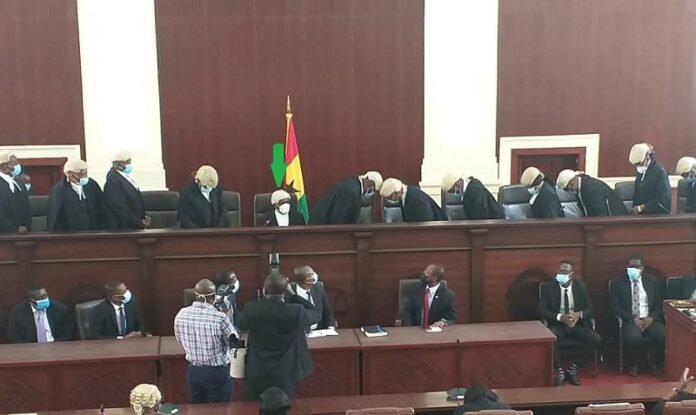
The growing number of adjournments in corruption-related cases has become a major concern for observers. Dr Osae-Kwapong noted that as more courts demand proof of authorization, cases are increasingly being paused, creating a backlog within the justice system.
This trend, he warned, risks slowing down prosecutions at a time when public expectations for accountability remain high. While he did not suggest that delays are intentionally exploited, he acknowledged that prolonged litigation could inadvertently benefit individuals facing corruption charges.
The cumulative effect of repeated adjournments, he explained, may weaken the momentum of cases and reduce the likelihood of timely outcomes.
Institutional Uncertainty Deepens
The ongoing legal debate is also affecting the operational stability of the Office of the Special Prosecutor. Dr Osae Kwapong described the institution as being in a state of uncertainty, as it navigates questions about whether to continue prosecutions independently or seek authorization from the Attorney General.
This ambiguity, he indicated, is not only disruptive but also undermines the confidence of stakeholders in the effectiveness of anti corruption institutions.
He added that the uncertainty extends beyond the Special Prosecutor to other agencies, including the Economic and Organised Crime Office, which may face similar legal challenges.
While calling for swift action, Dr Osae-Kwapong acknowledged the need to respect judicial independence and procedural integrity. He noted that courts cannot be compelled to act within specific timelines, but emphasised that the significance of the issue warrants prioritisation.
The challenge, he explained, lies in ensuring that legal corrections are achieved without compromising the functionality of institutions responsible for enforcing accountability. Striking this balance is essential to maintaining both the rule of law and the effectiveness of anti corruption efforts.
Implications for Ghana’s Corruption Fight
The authorization controversy represents a critical moment in Ghana’s anti-corruption journey. Dr Osae Kwapong’s analysis suggests that the outcome of the legal debate will have far-reaching consequences for how accountability institutions operate in the future.
A clear and timely resolution, he argued, would not only address current disruptions but also strengthen the legal framework governing prosecutions. Conversely, prolonged uncertainty could erode public trust and slow progress in tackling corruption.
As the legal process unfolds, attention is increasingly focused on the Supreme Court and its role in providing clarity. Dr Osae Kwapong reiterated that resolving the issue promptly would be in the best interest of both the Office of the Special Prosecutor and the broader anti corruption agenda.
He stressed that the longer the uncertainty persists, the greater the risk to the credibility and effectiveness of Ghana’s accountability institutions. The coming period is expected to be decisive, as stakeholders await guidance that could restore stability and allow anti-corruption agencies to resume their work with confidence.
READ ALSO: Blue Ventures Partnership Overhauls Failed Fisheries Governance Models