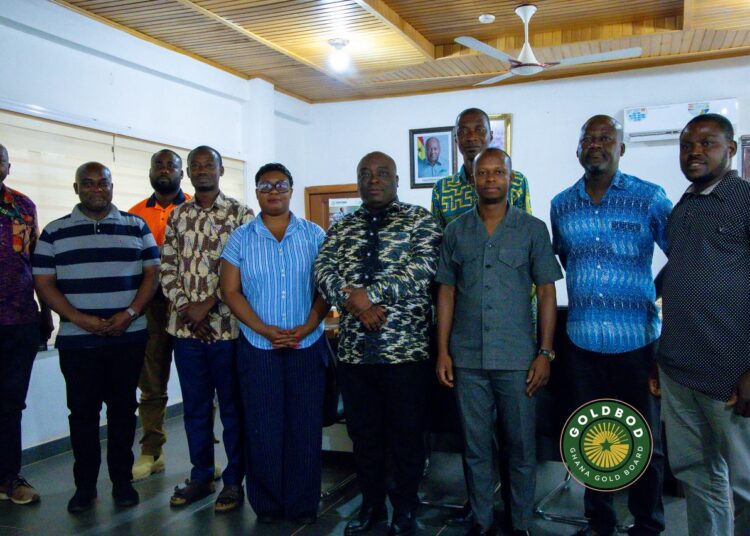
Ghana Gold Board (GoldBod) has partnered with the Ghana Geological Survey Authority (GGSA) to initiate comprehensive geological mapping across the Ashanti Region, aimed at identifying viable mineralised zones for regulated, community-led mining operations.
This strategic collaboration is designed to provide artisanal and small-scale miners with the scientific data necessary to transition from informal, high-risk practices toward structured and sustainable mining ventures.
By prioritizing data-driven exploration, the initiative seeks to replace indiscriminate digging with precise, responsible mineral extraction that benefits local communities while safeguarding the environment.
“The GoldBod has consistently maintained that supporting cooperative and community mining aligns with its broader strategy to formalise the small-scale mining sector, improve livelihoods and strengthen responsible gold production across the country. The institution believes that by combining geological data, technical assistance and structured market access, mining communities can transition from informal and risky operations into sustainable and economically viable ventures.”
Ghana Gold Board (GoldBod)
This intervention expands upon GoldBod’s mandate to reinvest up to 30 percent of its operational surplus into the artisanal and small-scale mining (ASM) sector, which currently serves as the primary source of the nation’s gold supply.
Beyond the technical rigor of the GGSA-led surveys, the program provides a holistic support ecosystem, including the provision of specialized mining equipment, technical expertise, and guaranteed market access.
By formalizing these operations, GoldBod intends to mitigate the environmental degradation and safety hazards typical of informal mining, ensuring that economic gains are balanced with long-term land reclamation efforts and social responsibility.
Empowering Communities Through Institutional Support
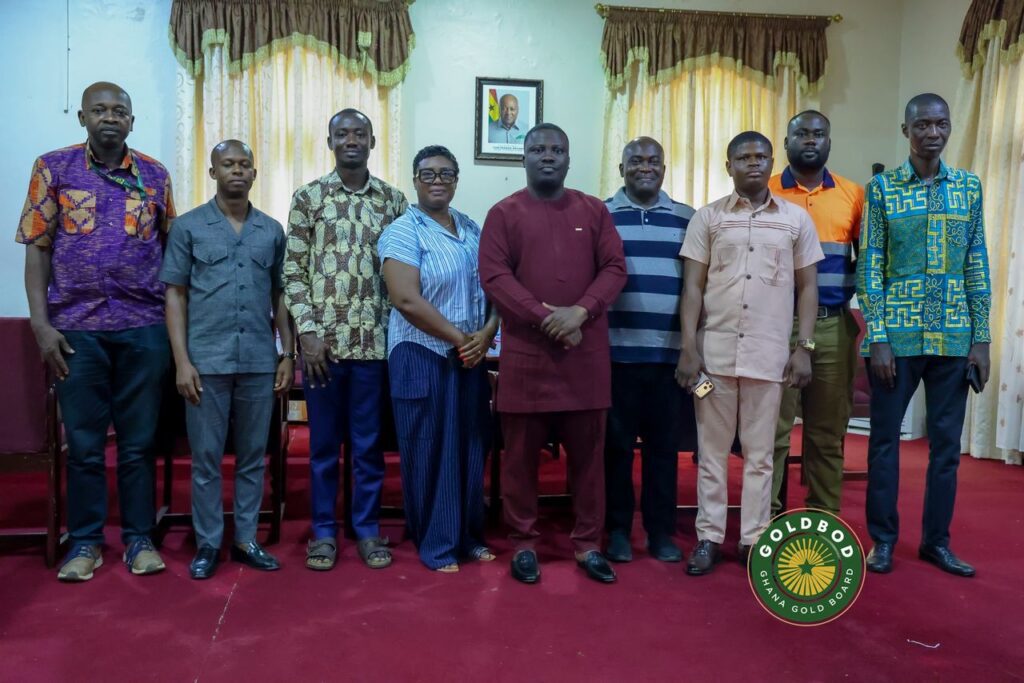
The move has been met with significant enthusiasm from local leadership in the Amansie Central and Adansi North Districts, who view the partnership as a remedy for the failures of previous private-sector engagements.
Assembly members described the intervention as “timely and transformative,” noting that it addresses the long-standing aspiration of local miners to operate under the guidance of state institutions.
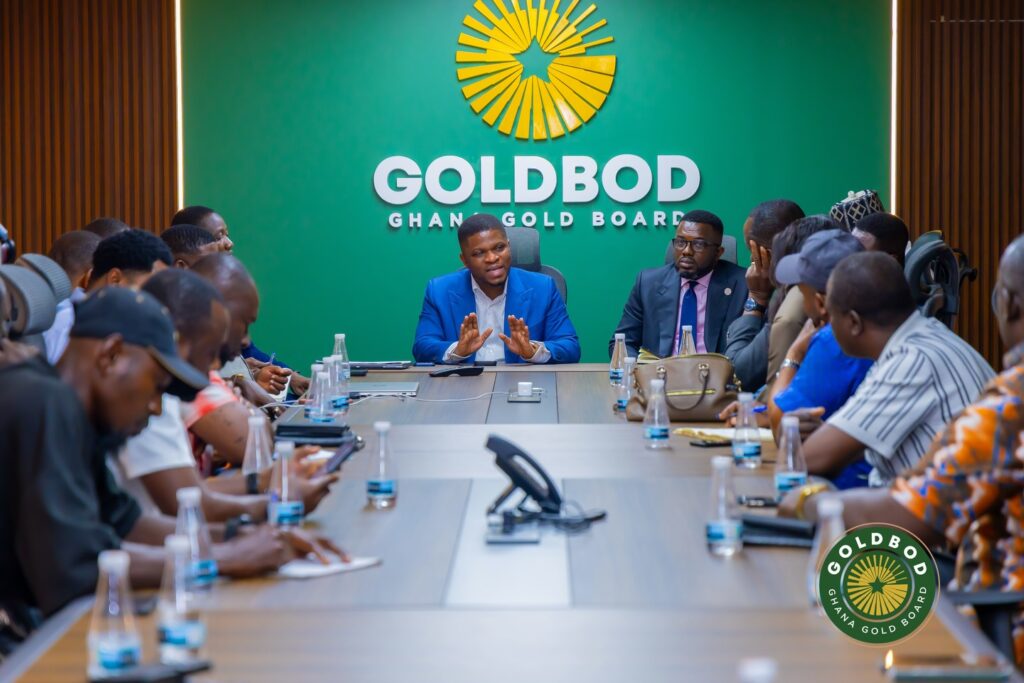
During a stakeholder engagement, local representatives highlighted that previous attempts to attract private investment had often resulted in broken promises.
In contrast, they believe this state-backed model provides “a source of renewed hope for residents” by prioritizing the empowerment of local cooperatives over external profit-driven interests.

Traditional authorities have also championed the effort. Nana Kusi Frimpong Kotobiri II, Chief of Biribiwomanmu, lauded the initiative, recounting how previous community-led mining efforts suffered from a lack of technical oversight, leading to significant financial losses.
The chief expressed his confidence that this partnership would effectively “bring jobs, economic growth and renewed opportunities to the youth within the area.”
A Strategic Vision for Sustainable Development
The Ashanti Regional Minister, Frank Amoakohene, recently briefed stakeholders on the readiness of communities including Adomanu, Abedwum, Odumase, Akrukeri, Achiase, and Biribiwomanmu to integrate into the programme.
Minister Amoakohene commended the collaboration for its alignment with the government’s broader development agenda, emphasizing that such initiatives are vital under the administration of President John Dramani Mahama.
He stressed that the project must remain committed to “integrating land reclamation and corporate social responsibility” to ensure that the landscape is preserved for future generations, rather than left degraded.
The minister further noted that the initiative creates a clear nexus between national economic policy and local welfare.
By centralizing the support system, the government is not only formalizing the sector but also providing the necessary infrastructure to integrate social amenities into mining regions, thereby fostering an environment where gold production contributes directly to regional development.
Combating Irresponsible Mining Through Geological Intelligence
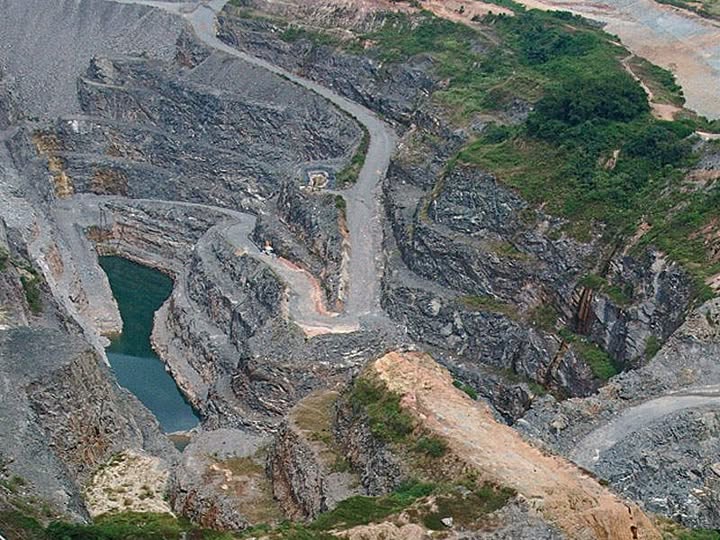
The core of this partnership lies in the use of science to dismantle the “galamsey” (illegal mining) ecosystem. Irresponsible mining is frequently driven by desperation and a lack of geological information, leading miners to prospect blindly in environmentally sensitive zones.
By conducting systematic geological surveys, the GGSA identifies precisely where mineral deposits exist, allowing the state to designate specific areas for cooperative mining.
This approach fundamentally changes the incentive structure: instead of reckless, unauthorized prospecting, miners are directed to proven, viable sites with government-backed technical support.
Furthermore, the provision of equipment and formal market access eliminates the reliance on illegal middlemen who often encourage unsafe practices to maximize quick returns.
By integrating these miners into a formal value chain, the state can enforce environmental standards such as proper waste management and land rehabilitation as a prerequisite for accessing the financial and technical resources provided by GoldBod.
This shift transforms mining from a destructive, fugitive activity into a structured, law-abiding profession, ultimately protecting Ghana’s water bodies and forest reserves while ensuring that the wealth generated from the land reaches the people who work it.
READ ALSO: Uganda Confirms New Ebola Cases as Regional Outbreak Grows