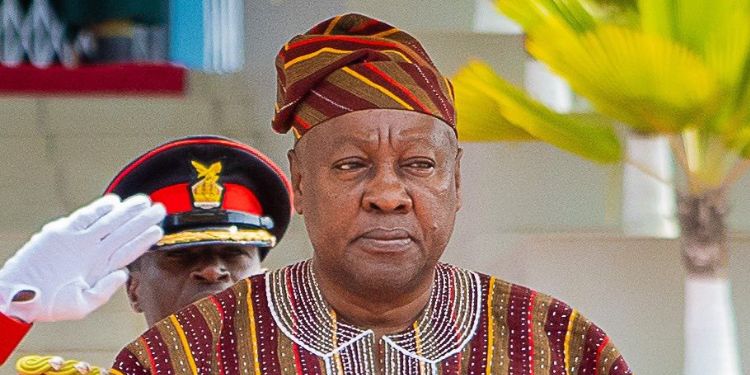
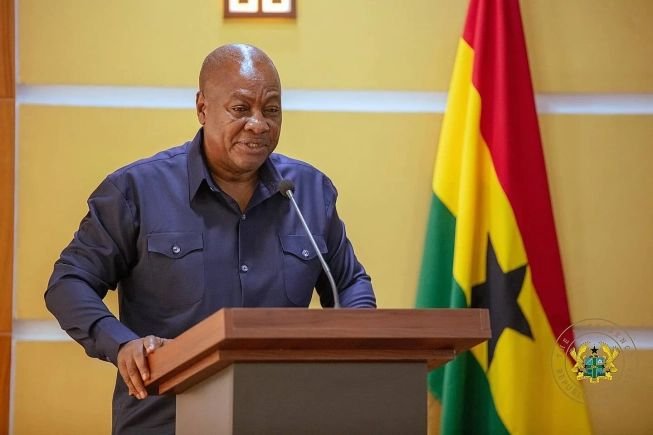
President John Dramani Mahama has revealed a historic surge in the artisanal and small-scale mining (ASM) sector, with recorded gold exports jumping from 63.6 tonnes to 103 tonnes in the 2025 fiscal year.
Delivering the State of the Nation Address before Parliament, the President attributed this milestone to the successful formalization of the sector, which has allowed the state to capture significant volumes of gold that were previously lost to smuggling.
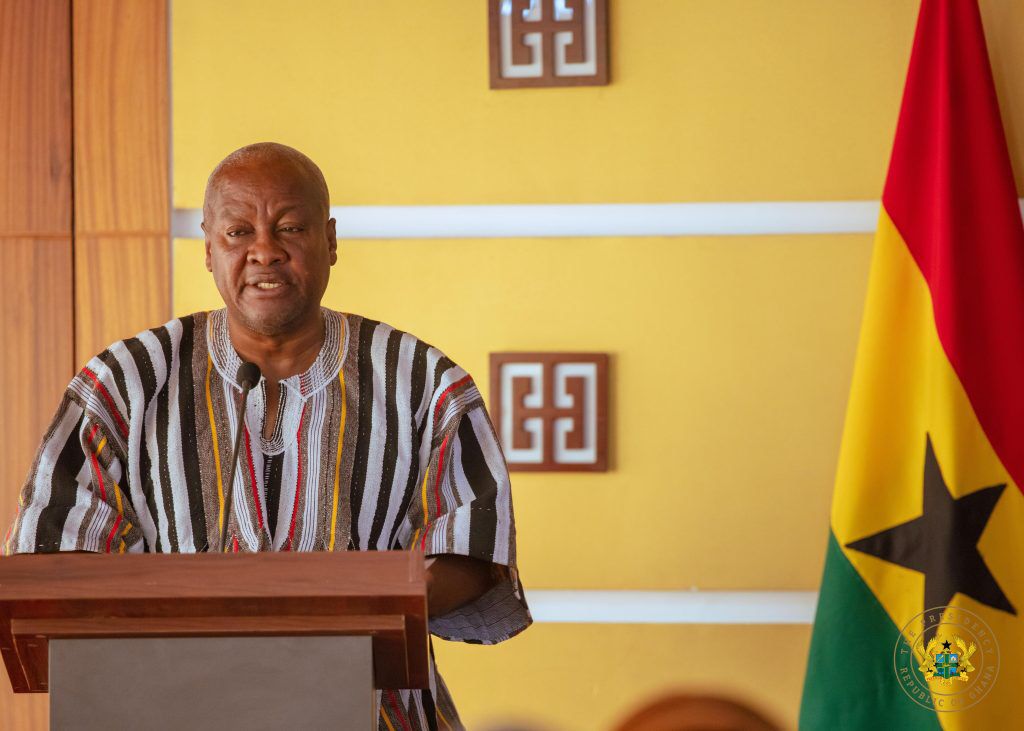
“We have increased recorded exports in the artisanal and small-scale mining sector from 63.6 tonnes to 103 tonnes, and we’ve channelled that foreign exchange into our economy. This presents us with a unique opportunity to build an economic war chest to withstand any global economic shocks and improve the standards of living of our citizens. This is what the GANRAP policy seeks to achieve.”
President John Dramani Mahama
This 62% increase in recorded volumes has fundamentally reshaped Ghana’s extractive landscape, with the ASM sector’s contribution now rivaling large-scale mining operations.
By channeling the resulting foreign exchange directly into the formal economy, the government has successfully utilized the precious mineral as a tool for currency stabilization.
The President noted that this influx of “non-debt foreign exchange” is a primary reason for the current cooling of imported inflation, providing much-needed relief to local businesses and Ghanaian households.
GANRAP: Building an Economic War Chest
The surge in gold exports serves as the backbone for the newly introduced Ghana Accelerated National Reserve Accumulation Policy (GANRAP). Presented to Parliament on February 25, 2026, by the Minister for Finance, GANRAP aims to leverage high global gold prices to aggressively build the nation’s buffers.
The policy sets an ambitious target of increasing international reserves to 15 months of import cover by the end of 2028. President Mahama emphasized that as “global uncertainty grows,” the country must use its mineral wealth to “break the cycle of economic downturns” and safeguard long-term structural transformation.
Curbing Smuggling and Boosting Forex Inflows
Industry analysts point out that the jump of 39.4 tonnes in a single year is a direct result of the Ghana Gold Board (GoldBod) reforms. By offering competitive, near-retail pricing to small-scale miners, the state has effectively disincentivized the illicit trade.
This “market-mopping strategy” ensured that gold valued at over US$10 billion was funneled through official channels in 2025 alone.
According to recent technical reports, the impact of these inflows has been “high-return,” significantly reducing the government’s need for expensive external borrowing and lowering the national debt service burden.
Macroeconomic Stability and Future Prosperity

Beyond the numbers, the President linked these extractive successes to the “lasting prosperity for future generations.”
The stabilization of the Cedi has allowed businesses to “plant better” an allusion to improved long-term planning and investment confidence.
With gold prices forecast to remain bullish over the next three years, the administration is doubling down on its “resource sovereignty” agenda.
The President concluded that by transforming the ASM sector from an informal activity into a structured economic pillar, Ghana is finally “securing its macroeconomic stability” against external shocks.
READ ALSO: Ghana Navigates New Reciprocity Shift in AGOA Extension