
In an exclusive interview with The Vaultz News, financial markets expert Ms Gifty Annor-Sika Asantewah delivered a sobering assessment of the Bank of Ghana’s latest Monetary Policy Committee decision.
The central bank maintained the Monetary Policy Rate (MPR) at 14.0% following its 130th meeting, citing strong domestic macroeconomic stability amid global uncertainties.
Ms Asantewah, a respected voice in Ghana’s investment community with deep expertise in equities, fixed income, and macroeconomic strategy, cautioned that the unchanged rate could extend tight liquidity conditions, weighing heavily on equity market performance in the coming quarters.
Persistent Tightness Despite Macro Gains
The decision to hold rates steady comes as Ghana’s inflation hovers at multi-year lows, the cedi shows relative stability, and economic activity indicators remain resilient. Yet, Ms Asantewah argued that the policy stance reflects caution over external risks, particularly geopolitical tensions in the Middle East that could reignite imported inflation.
“The Bank of Ghana has rightly prioritised anchoring stability. However, maintaining the MPR at 14% in this environment signals that liquidity will remain constrained for longer than many market participants had hoped. This has direct implications for the cost of capital and investor sentiment on the Ghana Stock Exchange.”
Ms Gifty Annor-Sika Asantewah
According to Ms Asantewah, while headline inflation has eased significantly, real borrowing costs remain elevated for businesses, particularly small and mid-cap firms that drive much of the GSE’s growth.

Impact on Ghana Stock Exchange: Headwinds Ahead
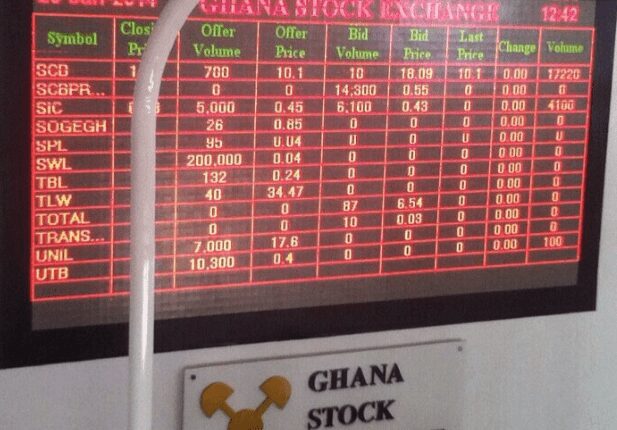
The GSE Composite Index has delivered impressive year-to-date gains, powered largely by financial stocks and select blue-chip performers. However, Asantewah warns that prolonged tight liquidity could dampen this momentum.
“We have seen strong performance in financials and resource stocks, but the broader market is showing signs of fatigue. Trading volumes in non-index heavy stocks have been thinning. With the policy rate unchanged, credit expansion to the private sector may slow, limiting corporate earnings growth and IPO activity.”
Ms Gifty Annor-Sika Asantewah
She noted that highly leveraged companies and those dependent on domestic consumption could face margin pressure as customers grapple with high interest rates.
“Investors should prepare for increased volatility. The liquidity squeeze will likely pressure valuations in the mid-tier segment of the market. We may see a flight to quality where capital concentrates in large-cap stocks with strong balance sheets and consistent dividend payouts. This rotation could widen the performance gap between winners and laggards on the GSE.”
Ms Gifty Annor-Sika Asantewah
Bonds and Primary Market: Relative Bright Spots
While equities face challenges, Asantewah sees clearer opportunities in the fixed income space. Government securities and high-quality corporate bonds are expected to remain attractive.
“The bond market continues to offer compelling real yields. With inflation well contained, investors in Treasury bills and longer-dated bonds can lock in positive real returns. This environment favours a defensive tilt toward fixed income over speculative equity plays.”
Ms Gifty Annor-Sika Asantewah
She highlighted that primary market activity, including new corporate issuances, may proceed selectively but at higher coupon levels than hoped, reflecting the persistent policy rate.
“Corporate treasurers planning bond issuances must recalibrate expectations. The window for cheap capital has not yet opened. Only issuers with robust cash flows and clear use-of-proceeds stories will successfully tap the market without offering punitive yields.”
Ms Gifty Annor-Sika Asantewah
Advice for Investors
In a strategic advice for investors, Ms Asantewah recommends a balanced yet cautious portfolio approach in the near term.
“This is not the time for aggressive risk-on positioning. Disciplined investors should focus on quality, for example, companies with low debt, strong pricing power, and exposure to export revenues or commodity prices that benefit from global dynamics.”
Ms Gifty Annor-Sika Asantewah
She also stressed diversification, saying, “Allocate meaningfully to government bonds and high-grade corporate debt”.
“Maintain some exposure to resilient equities in banking, telecommunications, and mining, but be ready to deploy fresh capital when the MPC eventually pivots toward easing, which I currently project for late 2026 or early 2027, barring major external shocks.”
Ms Gifty Annor-Sika Asantewah
Further elaborating on portfolio strategy, she noted:
“Prolonged tight liquidity often precedes policy inflection points. Smart money is positioning now in undervalued defensive names and building cash or bond ladders to capitalise when rates eventually decline. Those chasing momentum without regard for fundamentals risk significant drawdowns.”
Ms Gifty Annor-Sika Asantewah
Broader Economic Implications
Asantewah acknowledged the MPC’s need to balance risk and maintain stability but urged vigilance on growth.
“While macroeconomic stability is commendable, sustained high real rates could constrain private sector credit growth and slow the post-recovery momentum. The authorities must remain data-dependent and ready to adjust if domestic indicators weaken materially.”
Ms Gifty Annor-Sika Asantewah
She, meanwhile, concluded the interview on a note of measured optimism.
“Ghana’s markets have shown remarkable resilience. The current policy hold is a temporary test of patience rather than a reversal of the positive structural story. Investors who maintain discipline, focus on risk management, and avoid over-leverage will emerge stronger when the easing cycle resumes.”
Ms Gifty Annor-Sika Asantewah
Gifty Annor-Sika Asantewah is a leading financial market analyst, commentator, and advocate for financial literacy in Ghana, with extensive experience interpreting monetary policy impacts on capital markets.
READ ALSO: Cedi Ranked Among Africa’s Worst Performing Currencies