Former Health Minister Bernard Okoe Boye has challenged recent legislative findings surrounding the death of Charles Amissah.
He said Ghana’s healthcare system remained under severe pressure due to structural weaknesses and overcrowding in emergency units.
Dr Boye questioned the fairness of sanctioning medical professionals without examining the failures within the healthcare system.
“If anybody does a report and says that that doctor should be sanctioned, I am 100% for the report. But if anybody tells me that a patient was taken to LEKMA, the doctors failed to receive the patient, and that alone means they failed at their job, I insist that such a statement is not conclusive; it is hollow.”
Dr. Bernard Okoe Boye
He argued that the absence of a centralised national referral system contributed significantly to congestion in emergency wards.
The former minister also criticised conclusions made by the Chairman of Parliament’s Health Committee.
He stated that doctors continued to work under difficult conditions with limited resources and inadequate bed capacity.
He noted that facilities such as LEKMA Hospital struggled with very few emergency beds despite large patient numbers.
Dr Boye explained that emergency wards often operated like holding centres because critically ill patients occupied beds for long periods.
Dr Boye maintained that investigations should consider the circumstances surrounding every rejected patient before assigning blame.
He stated that punishing doctors without assessing their workload appeared premature and unfair.
The former Health Minister added that Ghana’s doctor to patient ratio remained below accepted international standards in many hospitals.
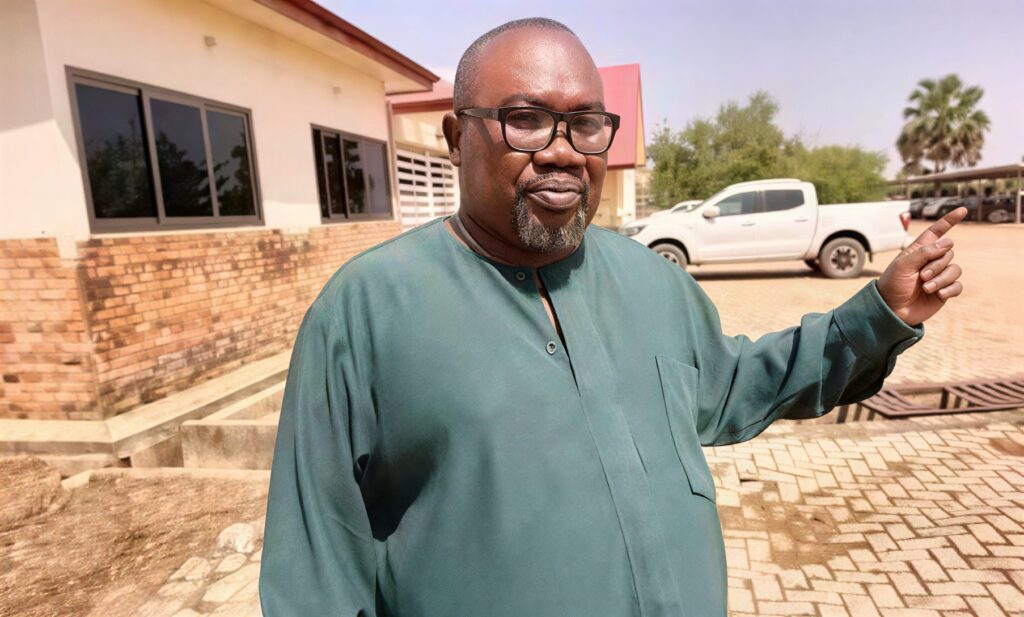
Dr. Bernard Okoe Boye responded to comments by Mark Kurt Nawaane suggesting that health workers who feel tired should resign.
He rejected the remarks, citing his own experience of working forty-eight-hour shifts in the health sector.
He said the comments failed to reflect the harsh realities faced by frontline medical workers.
He therefore cautioned the public against treating the committee’s findings as a final verdict.
The former Health Minister described the report as only a prima facie assessment that still required further review by the Ghana Medical Council.
Dr Boye called for the release of full transcripts from the investigation.
He argued that the public deserved access to the testimonies presented by the accused doctors before conclusions were reached.
Dr Boye suggested that the responses from the medical personnel involved could influence public opinion differently. He therefore advocated for a transparent process that allowed a fair assessment of decisions made during emergencies.
System Failures Blamed For Hospital Crisis Fallout
Dr Bernard Okoe Boye stated that Ghana lacked adequate physical infrastructure for its growing population.
He explained that many patients arrive at emergency wards without prior coordination through a national referral system.
According to him, ambulances frequently transport patients to facilities that are already operating at full capacity.
The former Health Minister argued that public hospitals remain overcrowded because patients prefer facilities with lower fees.

“When you send a patient to UGMC and that if it’s an emergency case, you have to make some deposit. The charges at UGMC are not the same as Ridge. Ridge is cheaper. The politicians have given Ridge very low fees, and what they get can only sustain their consumables.”
Dr. Bernard Okoe Boye
He noted hospitals such as Greater Accra Regional Hospital are more affordable than many private institutions.
Dr Boye explained that the low fee structure places enormous pressure on healthcare staff and equipment.
He also accused the state of failing to invest adequately in hospital expansion and refurbishment projects.

He argued that the continued reliance on low social fees places excessive strain on an already weak healthcare system. The politician urged policymakers to focus on long term reforms instead of targeting individual doctors.
Dr Boye called for a change in focus from individual blame to national healthcare reform.
He concluded that only a properly funded and coordinated health system could prevent similar tragedies in the future.
READ ALSO: Bagbin Champions Efficiency and Innovation at Productivity Week Launch