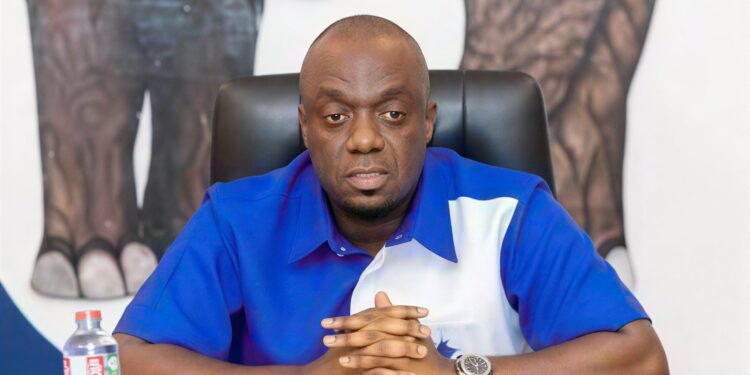
The General Secretary of the New Patriotic Party has said the political interest that once defined the party among young people and intellectuals has weakened over the years. He stated that the party in the 1990s attracted strong support from students, academics and professionals who identified with its political tradition.
He noted that the early years of the party were shaped by lawyers, lecturers, doctors and traders who believed in the ideals of the political movement. He added that students at institutions such as Kwame Nkrumah University of Science and Technology, University of Cape Coast and University of Ghana openly associated themselves with the party during the return to constitutional rule.
He recounted that traders in markets including Makola and Kantamanto also contributed resources to sustain party activities. He indicated that many supporters joined the movement because they understood its philosophy and historical roots.
“The businessmen and women at first supported NPP with their money. It wasn’t because they wanted to get something back, but because they understood the party’s principles and how it was structured. Even in academia too.”
Justin Kodua Frimpong
The General Secretary observed that the youth at the time embraced political discussions and followed national issues with enthusiasm. He stated that students became central figures in campaign mobilisation during the elections of the 1990s despite the party’s electoral setbacks in that period.
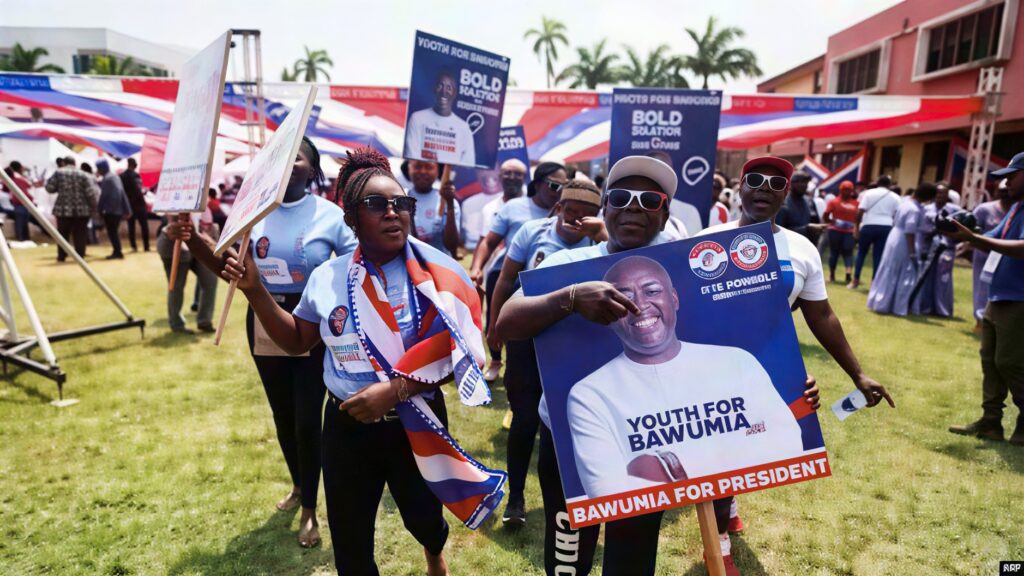
However, he stated that many current supporters lack knowledge about the ideological foundations of the party. He added that several members often struggle to explain the principles and political direction that distinguish the organisation from its opponents.
Kodua Frimpong maintained that the changing nature of political participation has affected party identity across generations. Consequently, he stressed the need for renewed political orientation that would reconnect members to the values established by the founding generation of the tradition.
Patriotic Institute Targets Ideological Renewal In NPP
The leadership of the New Patriotic Party says the establishment of the Patriotic Institute forms part of efforts to rebuild ideological commitment within the party. The General Secretary, Justin Kodua Frimpong, believes the initiative will strengthen political education and deepen understanding of the organisation’s history among members.
He stated that many individuals who sustained the party during its formative years are no longer active in politics. He added that several financiers, academics and grassroots organisers have either advanced in age or passed away, creating a gap in institutional memory.
He noted that some supporters currently engage in political activities without understanding the philosophy of the tradition they represent. As a result, he said the party has introduced orientation programmes to train officers at constituency, regional and national levels.
Meanwhile, he stated that the institute would revive awareness of the ideological journey from the UGCC through the UP tradition to the present structure of the party. He added that the training sessions are intended to promote patriotism, discipline and loyalty among party faithful.
“The essence of the Patriotic Institute is that party members and officers must develop an understanding of and love for the NPP. I am not following the party because of any individual, whether Kufuor, Akufo Addo, Bawumia or Alan. I follow the party because I understand its history and where it stands.”
Justin Kodua Frimpong
Moreover, he stated that the institute would encourage members to appreciate the sacrifices made by earlier political figures within the tradition. He explained that the objective is to create a shared understanding that guides decision making and strengthens unity ahead of future elections.
Former Committee Members Shaped Opposition Strategy In The 1990s
Senior figures within the New Patriotic Party are being credited for establishing policy committees that shaped the party’s opposition strategy after the 1992 elections. The General Secretary stated that the structures allowed the party to maintain visibility despite its boycott of the parliamentary polls.
He stated that the party leadership formed specialised committees between 1993 and 1996 to scrutinise government policy and present alternative proposals to Ghanaians. The committees covered sectors such as health, finance, foreign affairs, youth development and constitutional matters.

He recalled that prominent political figures including Joe Ghartey, Amadu Sorogho, Audrey Blay, J.H. Mensah, Theresa Amerley Tagoe and Gladys Asmah served on the various committees and contributed policy ideas during the period. He added that the finance team examined economic matters while legal experts led by former President Nana Addo Dankwa Akufo Addo handled constitutional and governance issues within the opposition movement.
The General Secretary specifically noted that former President John Agyekum Kufuor served on the Foreign Affairs Committee during that era. He added that the committees became influential because they consistently responded to national developments and presented alternative governance ideas.
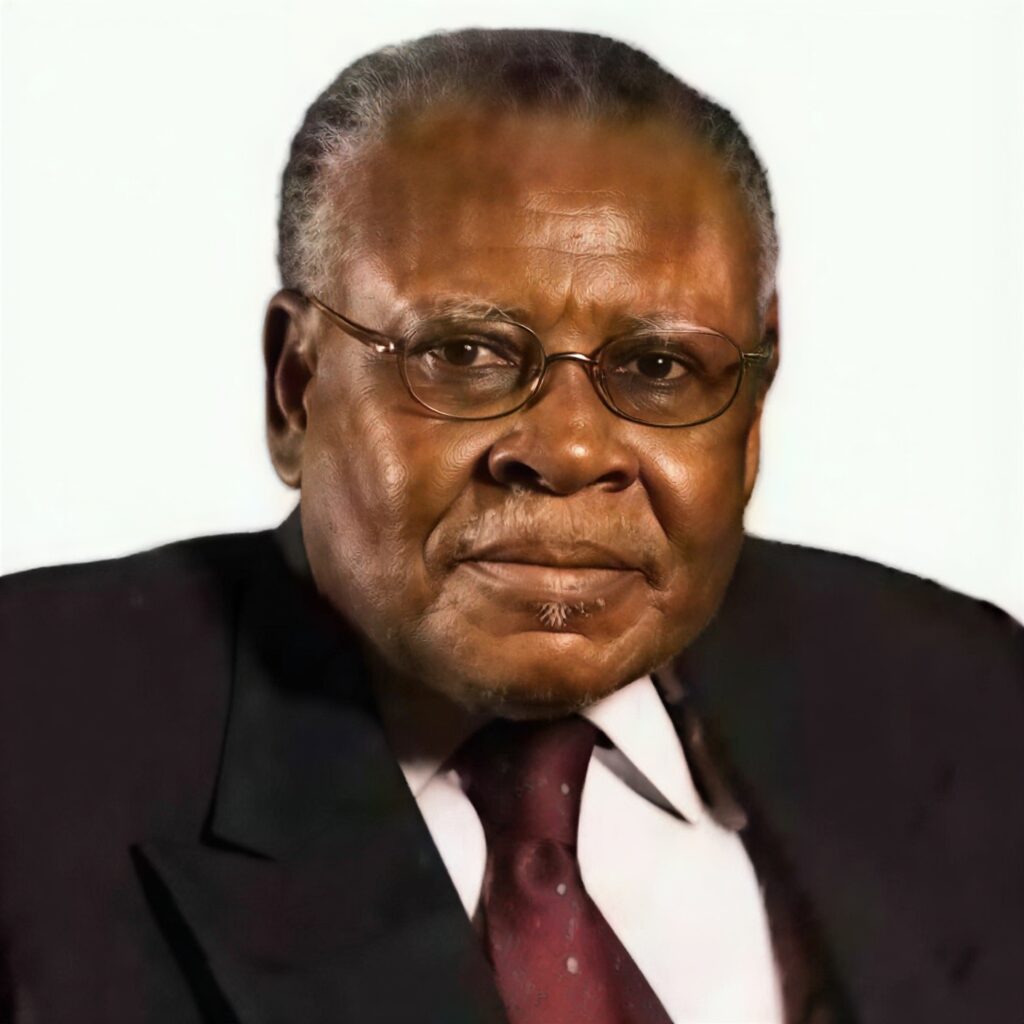
Subsequently, the party gained a reputation for producing experienced and policy driven leaders during its years in opposition. The General Secretary maintained that the committees helped shape public confidence in the party’s readiness for government.
“We would come out and show Ghanaians that if it was health, this was how the NDC handled it, and if the NPP came into office, this was how we would do it. That was when people said, ‘NPP, you have the men.’”
Justin Kodua Frimpong
The General Secretary also stated that programmes on the Ghana Broadcasting Corporation provided a platform for opposition figures to defend the party’s policy direction. He noted that regular appearances by senior members strengthened public confidence in the organisation’s preparedness for government.
READ ALSO: Expanding Electoral College Was Meant to End Voter Apathy — Kodua Frimpong