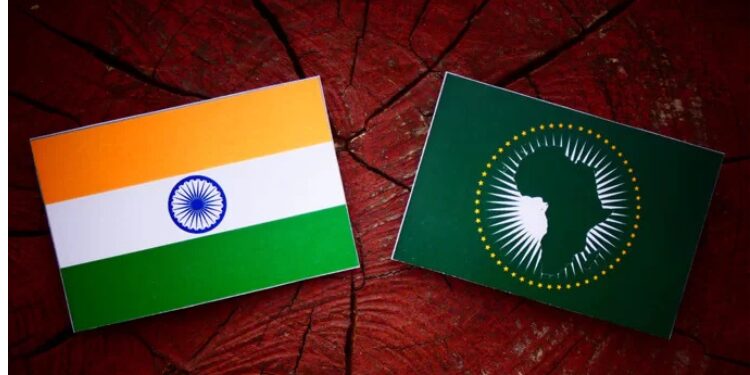
The Government of India and the African Union have agreed to postpone the Fourth India–Africa Forum Summit (IAFS IV), which was originally scheduled to take place in New Delhi from 28–31 May 2026, following consultations prompted by an emerging Ebola outbreak in parts of Africa, particularly the Democratic Republic of Congo and Uganda.
The Summit, regarded as the highest institutional platform for dialogue and cooperation between India and African countries under the leadership of the African Union, was expected to bring together Heads of State, government ministers, business leaders, development partners, youth representatives and civil society actors from both regions.
It is designed to strengthen political engagement and deepen collaboration in key sectors, including trade, investment, technology transfer, infrastructure development, education, health and capacity building.
Established in 2008, the India–Africa Forum Summit has evolved into a major pillar of South–South cooperation, reflecting shared priorities around inclusive development, multilateralism and long-term strategic partnership. Previous editions of the Summit were held in New Delhi in 2008 and 2015, and in Addis Ababa in 2011, producing key frameworks such as the Delhi Declaration and the Africa–India Framework for Cooperation, which continue to guide bilateral engagement.
Although the fourth edition of the Summit had initially been anticipated earlier, it was delayed due to global disruptions, including the COVID-19 pandemic and subsequent scheduling adjustments.
However, in light of evolving health concerns in parts of Africa, particularly the Ebola outbreak situation reported in the Democratic Republic of Congo and Uganda, both India and the African Union have agreed to defer the Summit to a later date.
According to officials involved in the consultations, both sides exchanged views on the developing public health context across the continent and emphasized the importance of continued coordination in strengthening health preparedness and response systems. Particular attention was given to reinforcing the capacity of Africa Centres for Disease Control and Prevention (Africa CDC) as well as relevant national health institutions.
India also reiterated its support for African-led health responses and expressed readiness to contribute to ongoing efforts coordinated by the Africa CDC, underscoring the importance of solidarity in addressing cross-border health threats and safeguarding vulnerable populations.
Officials also highlighted the need to ensure the full participation of African leaders and stakeholders in the Summit, noting that the current health situation could affect travel, logistics and broader engagement across the continent.
Against this backdrop, consultations were held between the Government of India, the Chairperson of the African Union and the African Union Commission to determine the most appropriate course of action.
Following these discussions, both sides agreed that it would be advisable to convene the Fourth India–Africa Forum Summit at a later date, allowing conditions to stabilise and ensuring that the event can achieve its intended level of participation and impact.
Despite the postponement, India and Africa reaffirmed the strength of their long-standing partnership, rooted in solidarity, mutual respect and shared development priorities.
WHO Warns Ebola Bundibugyo Cases May Rise Sharply in Eastern DR Congo
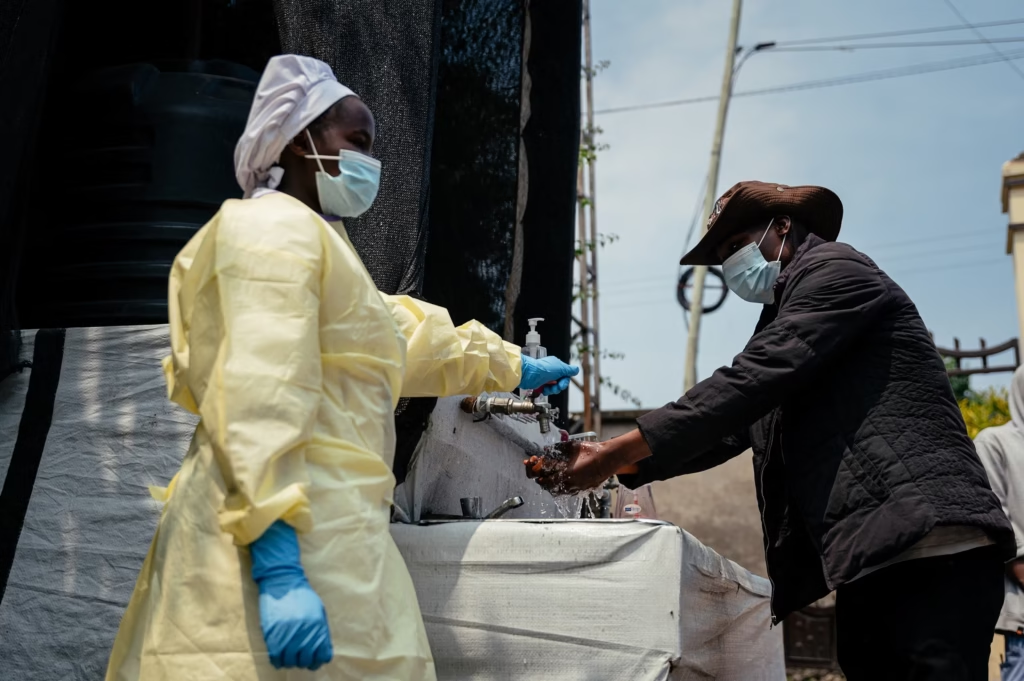
Earlier, World Health Organization (WHO) warned that the number of Ebola Bundibugyo virus infections in eastern Democratic Republic of Congo is likely to increase further as health officials continue to assess the scale of a rapidly evolving outbreak.
WHO Director-General Tedros Adhanom Ghebreyesus indicated that, in addition to several dozen confirmed cases, there are now close to 600 suspected infections and at least 139 suspected deaths linked to the outbreak.
“We expect those numbers to keep increasing, given the amount of time the virus was circulating before the outbreak was detected.”
Tedros Adhanom Ghebreyesu
Health authorities have also confirmed two additional cases in Uganda’s capital, Kampala, raising fears of cross-border spread as regional surveillance efforts intensify.
The Bundibugyo strain of Ebola, described by WHO as extremely rare and last detected in 2007, currently has no approved vaccine or specific treatment, complicating containment efforts.
Despite these challenges, WHO teams are working alongside local leaders in Ituri province, the epicentre of the outbreak, to strengthen community surveillance and limit further transmission. The agency has emphasized the importance of early detection, contact tracing and infection prevention measures to contain the virus.
The outbreak is unfolding in a region already weakened by years of conflict and instability.
According to the UN refugee agency, more than two million people are internally displaced in Ituri and North Kivu, where armed groups continue to operate and humanitarian access remains limited.
WHO officials noted that insecurity has significantly hindered health response efforts, particularly in areas with limited infrastructure and ongoing violence.
However, emergency teams have remained on the ground, including in Goma, where provincial authorities continue to operate despite difficult conditions.
READ ALSO: The Stats Behind Arsenal’s 2025/26 Historic Premier League Triumph