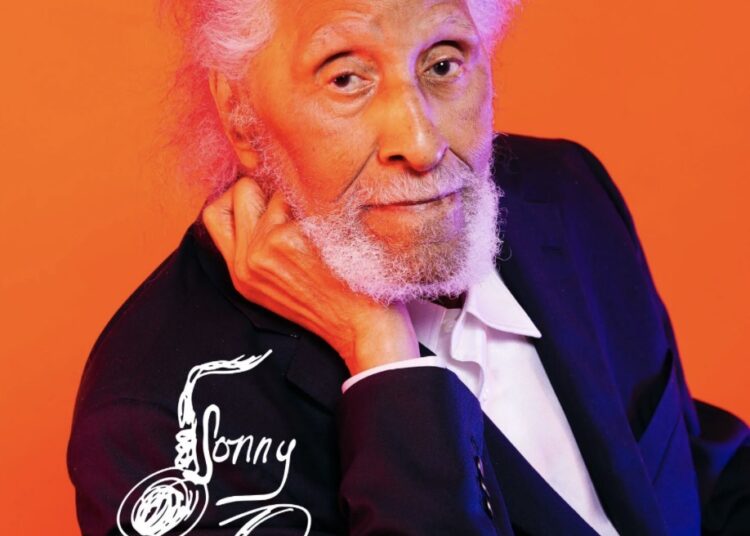
Sonny Rollins, the towering tenor saxophonist whose muscular tone, rhythmic daring, and ceaseless quest for improvisation earned him the nickname “Saxophone Colossus,” died Monday afternoon at his home here. He was 95.
His family announced the news on his official website and social media, describing the loss “with deep sorrow and profound love.” Publicist Terri Hinte confirmed the passing. No cause of death was immediately released, though Rollins had battled health challenges, including pulmonary fibrosis, in recent years that had curtailed his public performances.
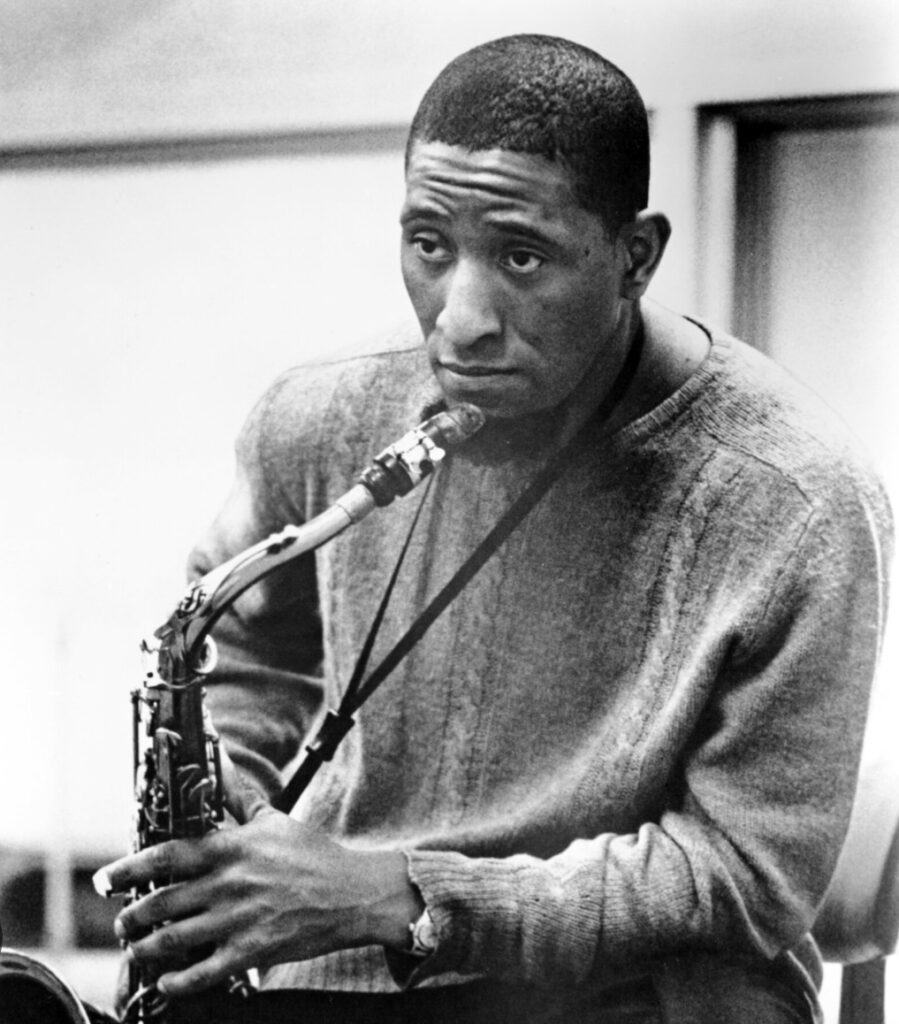
Rollins stood as one of the last living links to jazz’s golden age. Born Walter Theodore Rollins on September 7, 1930, in Harlem, New York, he grew up surrounded by the sounds of swing and the emerging bebop revolution. He took up the saxophone as a teenager, inspired by Coleman Hawkins and later Charlie Parker.
By his late teens, he was already sharing stages and recording sessions with giants like Miles Davis and Thelonious Monk.
Career Life
His early career was not without turbulence. Like many of his generation, Rollins struggled with heroin addiction in the early 1950s. He overcame it, emerging cleaner and more focused.
By the mid-1950s, he had become a leader in his own right, signing with Prestige and later Riverside Records. In 1956, he released what many consider his masterpiece: Saxophone Colossus.
The album, featuring his calypso-infused original “St. Thomas,” showcased a player of extraordinary confidence blending hard bop fire with melodic lyricism and structural ingenuity. Tracks like “St. Thomas,” “Oleo,” “Doxy,” and “Airegin” quickly became jazz standards, still performed worldwide today.
Rollins’s approach to improvisation was revolutionary. He treated solos not as displays of technical virtuosity alone, but as narrative journeys building tension, quoting other melodies playfully, and resolving with unexpected harmonic insight.
Critics and peers often called him the greatest living improviser of his era. His burly, commanding tone could fill arenas, yet he could pivot to tender, almost conversational phrasing in the next breath.
In 1957, he recorded Way Out West, a pioneering piano-less trio album with bassist Ray Brown and drummer Shelly Manne. The stripped-down format highlighted his ability to carry entire performances with just rhythm section support.
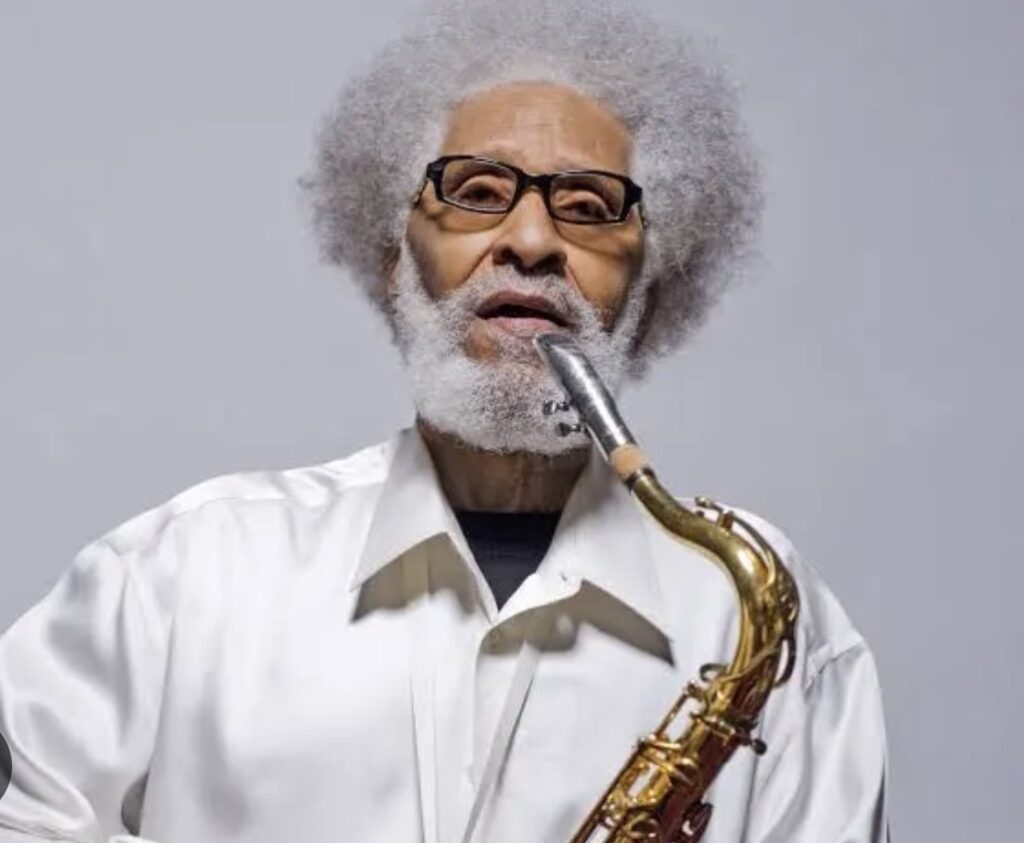
Other landmark works followed, including Freedom Suite (1958), a civil rights-era statement that blended personal expression with broader social commentary,
At the height of his fame in 1959, Rollins made a startling decision: he walked away from the scene. Frustrated with the music industry and his own playing, he spent two years practicing intensely in private famously on the walkway of the Williamsburg Bridge in New York, where he would play for up to 16 hours a day.
The period, often called his “bridge sabbatical,” became jazz legend. When he returned in 1962 with the album The Bridge, his sound had evolved, freer, more exploratory, yet still deeply rooted in tradition.
Over a seven-decade career, Rollins recorded more than 60 albums as a leader. He experimented with calypso, funk, avant-garde, and even collaborated outside strict jazz circles, contributing a memorable saxophone solo to the Rolling Stones’ “Waiting on a Friend.”
He performed with nearly every major figure in post-war jazz and influenced generations of saxophonists, from John Coltrane (who once cited him as an inspiration) to contemporary players like Joshua Redman and Kamasi Washington.
Notary Awards
Honors poured in throughout his later decades. He received the National Medal of Arts, Kennedy Center Honors, a Grammy Lifetime Achievement Award, and was named a Jazz Master by the National Endowment for the Arts. Saxophone Colossus was preserved in the Library of Congress’s National Recording Registry.
He was the last surviving musician from the famous 1958 A Great Day in Harlem photograph.
Rollins is survived by his nephew Clifton Anderson (a longtime trombonist in his bands) and nieces Vallyn Anderson and Gabrielle DeGroat. His wife Lucille, married to him for nearly 40 years, predeceased him in 2004. No public memorial has been announced.
In a 2009 reflection quoted by his family upon his passing, Rollins offered a glimpse into his worldview: “I think when the creative person ends, he continues in the next existence. I’m a person who believes this life isn’t the be-all and end-all of everything. A spiritual person doesn’t feel like that.”
With Rollins’s death, jazz loses not just a titan of the tenor saxophone but one of its most restless, uncompromising spirits. He never stopped searching for better sound, deeper truth, and the perfect note that might never arrive but was always worth chasing.
In the words of bassist Christian McBride and countless others paying tribute, the Colossus has left the stage, but his music echoes eternally.
READ ALSO: Gold Strategy Drove Cedi Stability Carefully — Poku