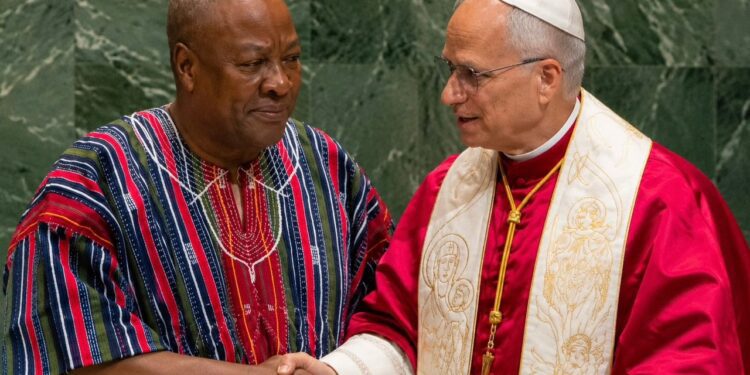
The Government of Ghana has described the recent apology by His Holiness Pope Leo XIV over the Catholic Church’s historical role in the transatlantic slave trade as a major step toward historical justice, reconciliation, and the restoration of human dignity.
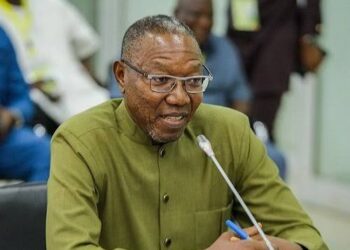
In a statement signed by the Minister for Government Communications and Presidential Spokesperson, Felix Kwakye Ofosu, Ghana said the Pope’s acknowledgment demonstrated moral courage and reflected growing international recognition of the need to confront painful historical truths linked to slavery and colonialism.
According to the government, the apology by Pope Leo XIV represents an important contribution to the global search for truth, justice, and healing for Africans and people of African descent whose ancestors endured centuries of enslavement and exploitation.
“The statement represents an act of moral courage on the part of the Pope and an important contribution to the ongoing global pursuit of historical truth, human dignity and justice”.
Minister for Government Communications and Presidential Spokesperson, Felix Kwakye Ofosu
Ghana further commended Pope Leo XIV for his longstanding commitment to compassion, social justice, dialogue, and solidarity with vulnerable people around the world.

Renewed Global Debate on Historical Injustices
The statement comes at a time when international conversations around reparative justice, historical accountability, and the enduring effects of slavery continue to gain momentum across global institutions and political platforms.
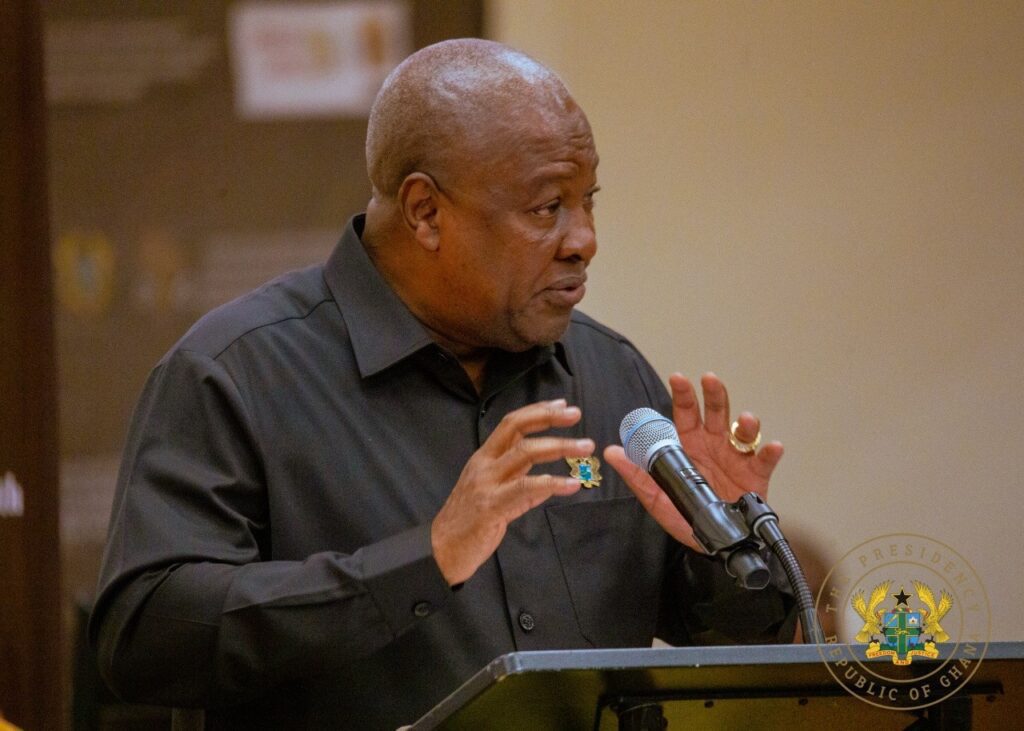
President John Dramani Mahama, according to the statement, considers the Pope’s apology particularly significant because it aligns with ongoing international reflection on the historical consequences of slavery and colonialism.
The government said honest acknowledgment of historical wrongdoing remains essential in efforts to promote healing, reconciliation, and justice.
“For five centuries, millions of Africans and people of African descent endured unimaginable suffering and dehumanisation through systems of racialised chattel enslavement whose effects continue to shape societies and communities across the world today”.
Minister for Government Communications and Presidential Spokesperson, Felix Kwakye Ofosu
It added that confronting historical injustice through truth telling and moral responsibility has become increasingly necessary in building a more equitable global future.
UN Resolution Strengthens Justice Campaign
Ghana also linked the Pope’s apology to the recent adoption of United Nations General Assembly Resolution A/RES/80/250, which declared the trafficking and enslavement of Africans as among the gravest crimes against humanity.
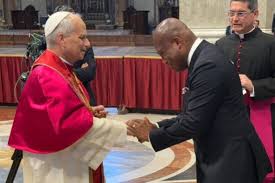
The government described the resolution as a landmark development in the international campaign for justice, equality, and historical remembrance for Africans and the African diaspora.
According to the statement, the resolution reinforces the importance of preserving historical memory while encouraging sustained international dialogue on issues of dignity, justice, and equality.
Ghana noted that discussions surrounding the resolution included extensive debate over the historical role of the Church and references to Papal Bulls associated with the transatlantic slave trade.
Against that backdrop, the government said Pope Leo XIV’s apology carries deeper significance because it reflects a willingness to confront difficult aspects of history in the interest of justice and reconciliation.
“His Holiness Pope Leo XIV’s apology is particularly significant and refreshing, as it demonstrates a willingness to confront difficult historical truths in the interest of justice, understanding and reconciliation”.
Minister for Government Communications and Presidential Spokesperson, Felix Kwakye Ofosu
Ghana’s Historical Connection to Slave Trade
The government also highlighted Ghana’s deep historical connection to the transatlantic slave trade, pointing to the numerous forts and castles along the country’s coastline that served as holding centres for enslaved Africans before their transportation across the Atlantic.
These sites, many of which have become major historical monuments and tourist attractions, continue to stand as reminders of one of humanity’s darkest periods.
The statement reaffirmed Ghana’s commitment to working with international partners, religious institutions, civil society organisations, and global advocates to advance conversations on reparative justice and historical remembrance.
According to government, Ghana remains dedicated to promoting initiatives that seek to restore human dignity and strengthen global awareness about the long term impact of slavery and racial injustice.
Accra to Host Global Conference
As part of these efforts, Ghana announced plans to host an international conference in Accra from June 17 to June 19, 2026, following the adoption of the United Nations resolution.
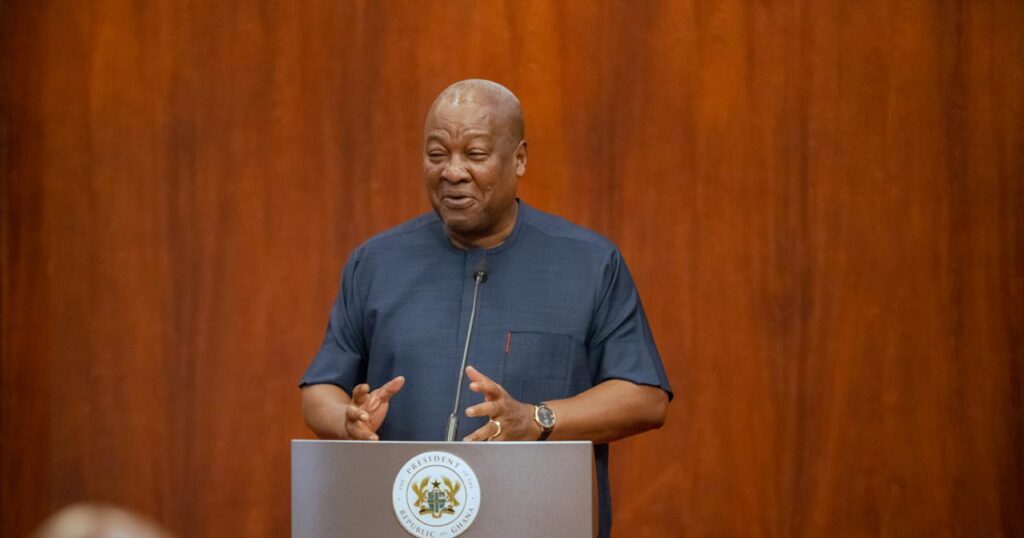
The High Level Consultative Conference, which will be convened by President Mahama, is expected to bring together global leaders, scholars, faith communities, policymakers, and civil society groups to discuss the next phase of international engagement on historical justice and remembrance.
The conference will focus on sustaining global conversations around slavery, reparative justice, and human dignity while encouraging stronger international cooperation on the implementation of the United Nations resolution.
The government also expressed hope that countries which did not support the resolution would eventually reconsider their position and join ongoing international efforts aimed at promoting justice and equality for Africans and people of African descent.
President Mahama, through the statement, expressed appreciation to Pope Leo XIV for what government described as a significant and courageous step. The President also reaffirmed Ghana’s commitment to continued global engagement on issues of truth, healing, justice, and humanity.
The statement concluded by emphasising that historical acknowledgment alone is not enough unless it leads to meaningful dialogue, understanding, and concrete efforts toward reconciliation and dignity for affected communities across the world.
READ ALSO: Ghana Leaves IMF ICU for Economic Wellness Centre, Ato Forson Declares