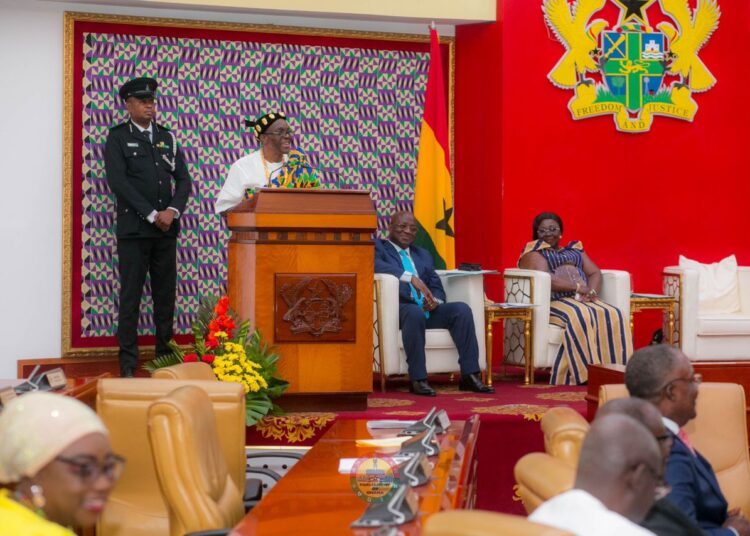
The Speaker of Parliament, Rt. Honourable Alban Kingsford Sumana Bagbin has called on African lawmakers to intensify efforts at preserving cultural identity while modernising governance systems in a rapidly globalised world.
Giving the keynote address at the 4th African Inter Parliamentary Conference on Family Sovereignty and Values, he stressed that political independence marked only the beginning of Africa’s broader journey toward full emancipation.
Honourable Bagbin emphasised that Africa’s founding generation envisioned a continent anchored in shared identity and institutional autonomy. He explained that true liberation demands restoration of cultural values that define African societies and guide collective progress.
He further stated that African philosophy places the family at the centre of social organisation, describing it as the foundation of meaning, protection and purpose. The Speaker of Parliament noted that indigenous wisdom across the continent reinforces the idea of communal existence through the principle.
“We all always say I am because you are and you are because we are. And our friends in South Africa will refer to it as Ubuntu. With this in mind, these our founding fathers decided to call Africa a family. They were not referring to it as a continent. They knew the importance of the family unit.”
Rt. Honourable Alban Kingsford Sumana Bagbin
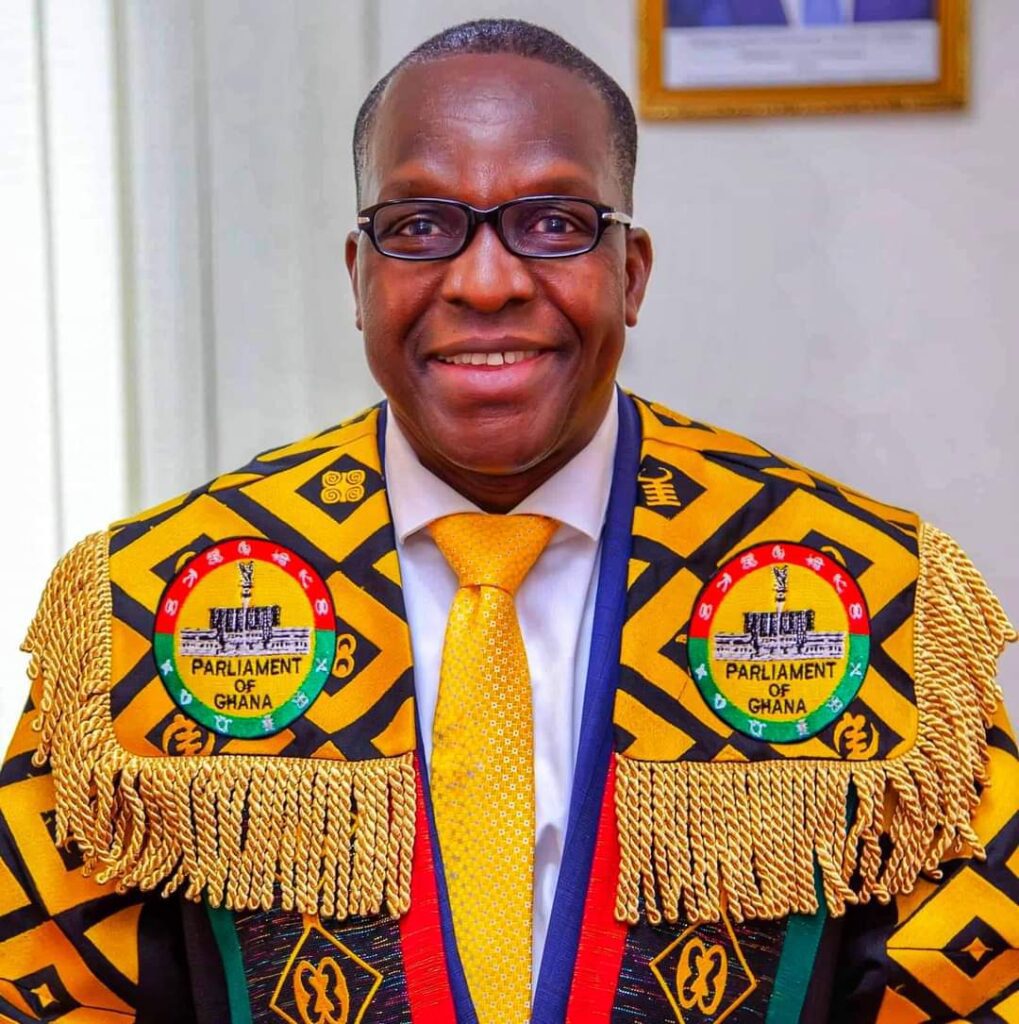
Honourable Bagbin referenced African heritage and historical narratives to underline the interconnectedness of African societies, pointing to examples of cross continental relationships among early nationalist figures. He added that these historical ties reflected a deeper cultural understanding of unity across the continent.
The Speaker of Parliament also drew attention to environmental and cultural diversity as justification for identity driven governance systems. He argued that climatic differences across regions such as Europe and Africa reinforce the need for laws and social structures that reflect local realities.
“A law that does not resonate with the spirit, history and moral conscience of the citizenry is a dead law. As African legislators, our loyalty must remain anchored to the mandates given to us by our electorate. There is the urgent need for us to redefine the African family structure in the 21st century.”
Rt. Honourable Alban Kingsford Sumana Bagbin
Honourable Bagbin also highlighted that African values must be safeguarded through legislative frameworks that prioritise communal well-being. He emphasised that governance must remain rooted in the lived experiences and cultural expectations of citizens across the continent.
Western Family Models Under Scrutiny at Parliamentary Forum
The Speaker of Parliament, Rt. Honourable Alban Bagbin cautioned against the uncritical adoption of Western family structures, arguing that they fail to reflect the communal foundations of African societies. He also called for renewed attention to Africa’s indigenous social systems.
He explained that the Western nuclear family model promotes isolation and individualism, while African societies are built on interdependence and shared responsibility. The Speaker of Parliament noted that African households function as extended networks involving grandparents, aunts, uncles and community members who collectively support child upbringing.

Honourable Bagbin described African family systems as resilient social safety mechanisms that have historically protected communities during economic and health crises. He stated that these structures remain central to survival in many societies where formal state welfare systems are limited.
“To protect the African family is to protect our primary economic engine, our first school of civic virtue and our oldest institution of social security. That is the African family.”
Rt. Honourable Alban Kingsford Sumana Bagbin
The Speaker of Parliament also warned that economic hardship, migration pressures and urbanisation are weakening traditional family bonds across the continent. He noted that these forces are creating structural strain that disrupts intergenerational cohesion and community stability.
Honourable Bagbin further highlighted the role of digital technology in reshaping values among young people, stating that unregulated exposure is accelerating individualistic behaviour. He explained that this trend is widening the gap between generations and weakening cultural transmission within households.
In his address, he called for policy interventions that treat the family as an economic stakeholder within national development planning. He proposed measures such as tax incentives for caregiving households and increased investment in housing, nutrition and maternal healthcare systems.
The Speaker of Parliament referenced Article 18 of the African Charter on Human and Peoples’ Rights to reinforce his position on the centrality of the family. He explained that the Charter recognises the family as the natural unit of society and places responsibility on the state to support its development and protection.
READ ALSO: Ghana’s Recovery Is Structural and Sustainable, Mahama Tells London Investors