Global oil prices has declined while equity markets surged following the announcement of a framework agreement between the United States and Iran aimed at ending hostilities and reopening key energy shipping routes, including the Strait of Hormuz.
Brent crude, the global oil benchmark, fell by 4.7 percent to $83.24 per barrel as markets reacted to expectations of reduced geopolitical risk and improved supply flows from the Middle East.
The agreement, announced by US President Donald Trump, is expected to restore stability to one of the world’s most critical energy corridors, which has faced major disruptions since the outbreak of conflict earlier this year.
Pakistan, which has been involved in mediation efforts, said an official signing ceremony is expected to take place on Friday, 19 June in Switzerland.
“Iran’s deputy foreign minister, Kazem Gharibabadi, confirmed in a phone call on state television that a deal with the United States had been finalised, while President Trump posted on social media: “let the oil flow!”
Donald Trump, President of the United States
Markets React to Peace Framework
The announcement triggered a broad rally across global equity markets, with investors responding positively to expectations of improved energy supply flows and reduced geopolitical risk.
Asian markets led gains, with Japan’s Nikkei 225 index closing 5 percent higher, while South Korea’s Kospi rose by 5.2 percent.
European equities also strengthened, with Germany’s DAX and France’s CAC 40 both up about 1.7 percent. In London, the FTSE 100 rose by 0.6 percent.
The rally reflects investor optimism that easing tensions in the Middle East could help stabilise global trade and energy flows.
Strait of Hormuz at Centre of Deal
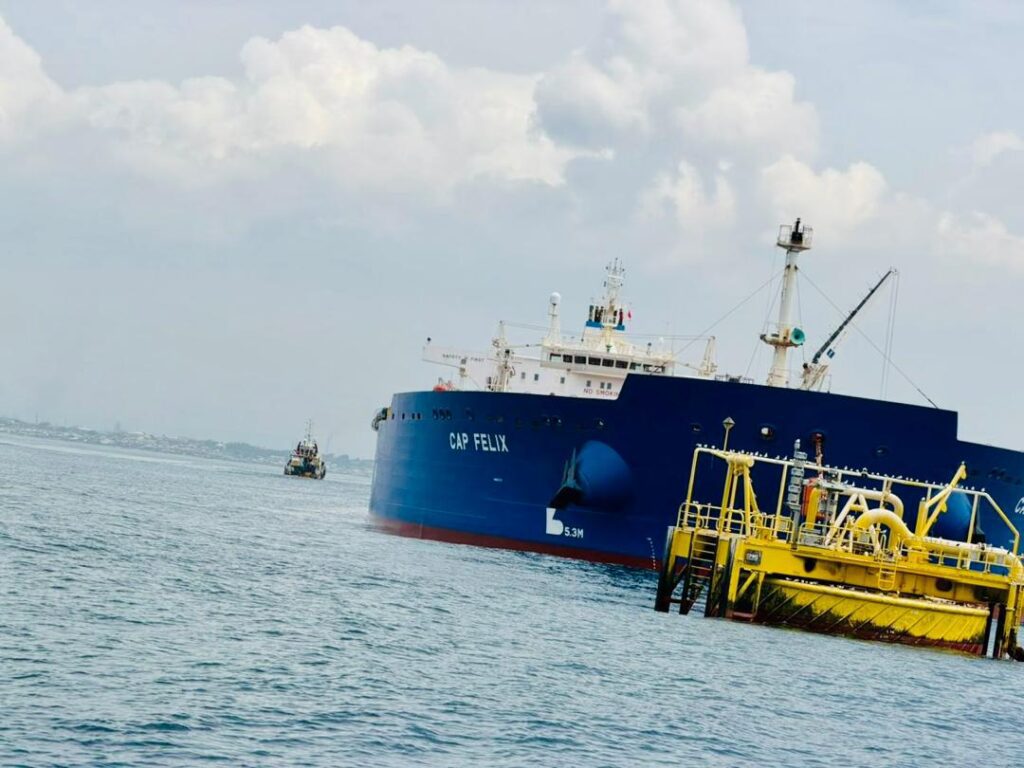
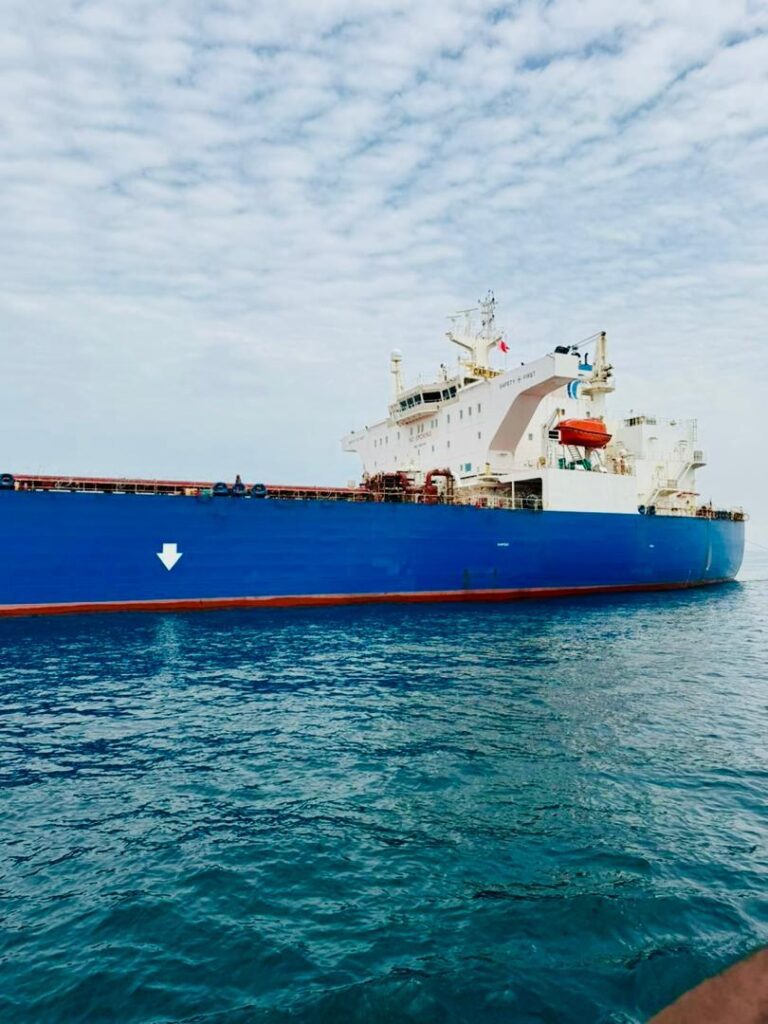
The Strait of Hormuz, through which around 20 percent of global oil and liquefied natural gas (LNG) passes, remains central to the agreement.
The waterway had been effectively disrupted following earlier military escalation, with Iran previously threatening attacks on vessels using the strategic route.
Its reopening is expected to ease pressure on global energy markets, although analysts caution that full normalisation will take time.
Despite the market rally, analysts warn that limited detail on the agreement could still trigger short-term volatility.
Vandana Hari of Vanda Insights said the lack of clarity could “inject unease and uncertainty into the market,” potentially leading to continued fluctuations in oil prices.
Other experts also caution that restoring full shipping operations through the Strait of Hormuz will not be immediate, even if the ceasefire framework holds.
Recovery Expected to Be Gradual
Energy consultant Andrew Lipow noted that clearing naval mines and restoring safe passage could take several weeks to months.
He added that a backlog of oil tankers waiting to pass through the waterway could further delay normalisation of flows.
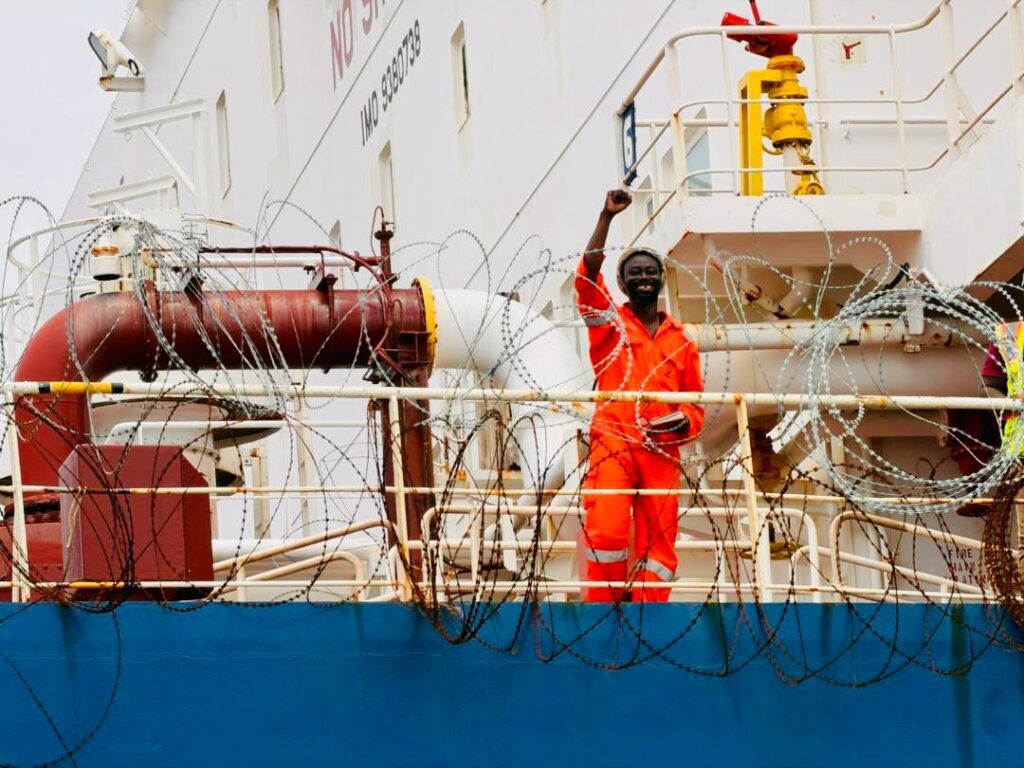
Retired US Navy Rear Admiral Mark Montgomery also warned that full recovery of oil shipping operations could take up to 45 days once conditions stabilise.
Oil markets have experienced significant volatility in recent months amid the US-Israel-Iran conflict, with prices swinging sharply on geopolitical developments.
Brent crude previously surged to around $120 per barrel during peak tensions before easing to about $70 prior to the latest developments.
Analysts say the latest agreement could stabilise prices in the short term, but the outlook will depend on implementation speed and the reopening of the Strait of Hormuz.
READ ALSO: Bono East Leaders Push For Improved NHIA Infrastructure