His Excellency Ambassador Cong Song of the People’s Republic of China to Ghana has pledged his government’s strong commitment to assist Ghana in ending illegal mining, elevating the fight against environmental degradation to a main priority of his diplomatic tenure.
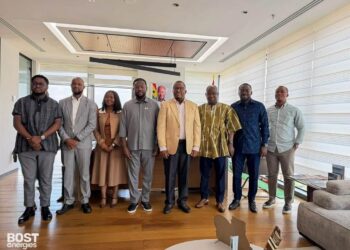
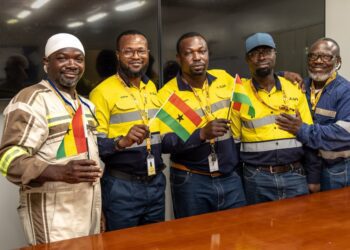
This pivotal pledge was made during a high-profile courtesy call paid on him by the Chief Executive Officer of the Minerals Commission, Mr. Isaac Tandoh, along with selected directors of the commission at the Chinese Embassy in Accra.
The high-level meeting provided a crucial platform for both parties to align strategic interests, reinforce long-standing diplomatic ties, and formulate actionable bilateral measures to tackle illegal small-scale mining, locally known as galamsey.
“One moment that stood out for me was when His Excellency shared that supporting the Commission’s fight against illegal mining is one of the top priorities he has set for his tenure. I found that both encouraging and reassuring; it shows that our shared commitment to a sanitised, responsible mining sector goes beyond rhetoric. I assured him that the Minerals Commission is fully open to partnering with the Embassy in this fight.”
MINERAL COMMISSION

The engagement established a comprehensive framework focused on transforming Ghana’s extractive sector through sustainable practices, technology transfer, and institutional collaboration.
Mr. Isaac Tandoh noted that the visit served as “more than a formal introduction of our management team” to the Embassy, acting as an opportunity to “explore how we can take this relationship even further” across key mining sub-sectors.
Discussions centered on bilateral cooperation in mineral resource development, capacity building for the local workforce, cross-trading opportunities, and driving legitimate Chinese investment across the mining value chain.
Strategic Synergies and Practical Pathways to End Galamsey
This bilateral commitment between the diplomatic mission and the mining regulator offers a formidable boost to Ghana’s anti-galamsey campaign by targeting the structural drivers of illicit extraction.
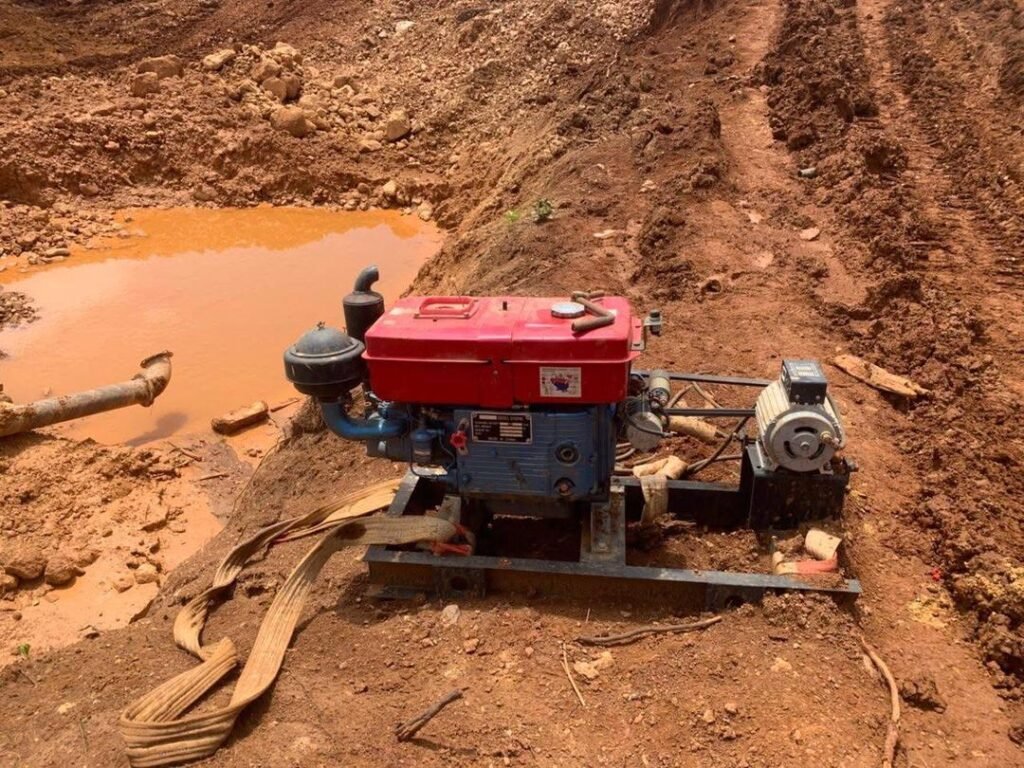
A major practical benefit of this partnership lies in enhancing the traceability and supply chain regulation of heavy earth-moving equipment, such as excavators, washing plants, and specialized machinery often utilized in riverbed mining.

Through direct consular cooperation and regulatory intelligence sharing, both authorities can monitor equipment imports more effectively, ensuring that heavy machinery is restricted to legally licensed commercial concessions rather than diverted into illicit mining sites along ecologically sensitive river bodies like the Pra, Ankobra, and Birim.
Beyond equipment monitoring and regulatory enforcement, the partnership significantly strengthens technological capacity building and green mining innovation.
Describing the existential nature of the crisis, Mr. Tandoh emphasized that illegal mining remains “one of the biggest threats to our environment, our communities, and the long-term future of our sector.”
To counteract these environmental threats, China’s pledge enables the transfer of modern, eco-friendly mineral processing techniques to Ghanaian miners.
Integrating mercury-free gold processing systems into the Minerals Commission’s Community Mining Schemes (CMS) will help eliminate toxic chemical discharge, protecting water systems and agricultural lands while improving gold recovery rates for legitimate artisanal operations.
Capital Inflows and Sustainable Future for Ghana’s Extractive Sector
Furthermore, this collaborative framework creates a structured pathway to substitute illegal activities with formal economic opportunities across Ghana’s mining value chain.
By facilitating legitimate cross-trading opportunities and attracting ethical Chinese capital into downstream processing, local refining, and industrial mineral development, the partnership incentivizes small-scale operators to transition into the formal economy.
Channeling foreign direct investment into structured, environmentally compliant ventures creates sustainable employment for youth in host communities, directly undercutting the socio-economic drivers that fuel illegal small-scale mining operations.
Ultimately, the alignment between China’s diplomatic leadership and Ghana’s mining regulator marks a transformative milestone toward achieving a sanitized, highly productive extractive sector.
Looking ahead with renewed optimism, Mr. Tandoh expressed enthusiasm for “stronger Ghana–China cooperation, responsible investment in our mining industry, and the collective work of protecting Ghana’s mineral wealth for generations to come.”
By combining strict local regulation with robust international diplomacy, modern technology transfer, and sustainable capital investment, Ghana is well-positioned to eradicate illegal mining, restore degraded ecosystems, and safeguard its rich mineral heritage for future generations.
READ ALSO:Black Queens Set to Begin 2026WAFCON Journey Against Debutants Cape Verde