The United States is redirecting $52 million in foreign military financing from four countries to four Latin American nations as the Trump administration intensifies its focus on security, counternarcotics and strategic competition in the Western Hemisphere.
The State Department notified Congress today that funding previously allocated to Slovakia, North Macedonia, Tunisia and Iraq will be reprogrammed for Panama, Peru, Ecuador and Colombia.
Foreign military financing provides recipient countries with U.S. taxpayer-funded assistance to purchase military equipment and services from American defence contractors.
The State Department said that the redirected funds would be used to “combat narcoterrorism in our backyard and help continue to secure the Panama Canal,” arguing that the Western Hemisphere has historically been neglected in the distribution of U.S. military assistance.
The department also linked the move to Washington’s concerns about growing foreign influence in Latin America, stating that the funds would “prevent adversaries from establishing strategic footholds in our hemisphere.” The statement was a veiled reference to China, which has increasingly expanded its economic and diplomatic presence across Latin America and the Caribbean.
The reallocation does not eliminate military financing for Slovakia, North Macedonia, Tunisia or Iraq. However, the State Department said that the existing distribution of funding did not reflect the Trump administration’s priorities, which now place greater emphasis on the Western Hemisphere.
The exact amount of financing that will remain available to the four countries losing part of their allocations was not immediately clear.
The shift reflects a broader recalibration of U.S. foreign policy under President Donald Trump, with Washington increasingly prioritising drug trafficking, illegal immigration, regional security and countering Chinese influence in the Americas.
The Panama Canal is also central to the administration’s regional strategy. Washington has repeatedly stressed the strategic importance of the waterway and the need to prevent rival powers from gaining greater influence over infrastructure and security around the canal.
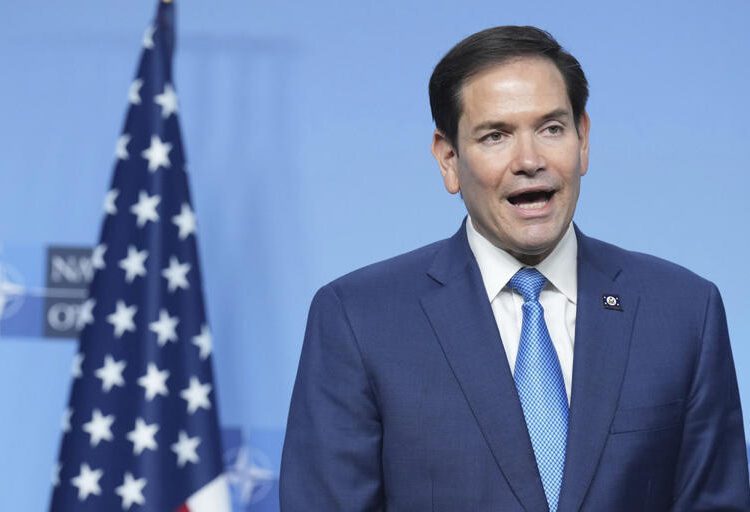
The funding announcement followed Secretary of State Marco Rubio’s visit to Colombia, Ecuador and Peru, where he pledged additional U.S. support and promoted closer cooperation with governments aligned with Washington’s regional priorities.
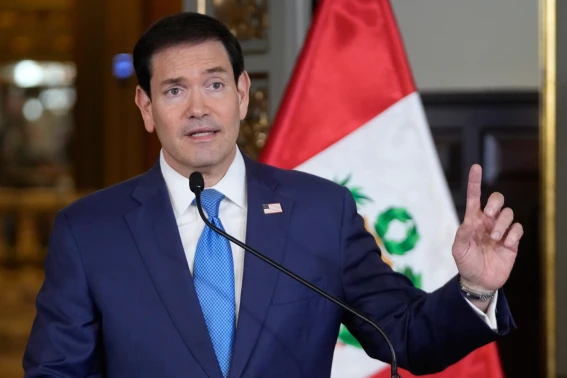
Rubio’s trip formed part of a broader effort by the Trump administration to strengthen relations with conservative and U.S.-friendly governments in Latin America while expanding cooperation against organised crime and drug trafficking.
Rubio Pledges Cooperation With Latin American Allies
During his visit to the region, Rubio said that the United States preferred to work with its allies rather than independently when conducting operations against narcotics traffickers.
Standing alongside Peru’s new President Keiko Fujimori, Rubio acknowledged that Washington had the “capacity to act unilaterally,” but said that cooperation with regional partners was preferable because it was “the most effective way to do it.”
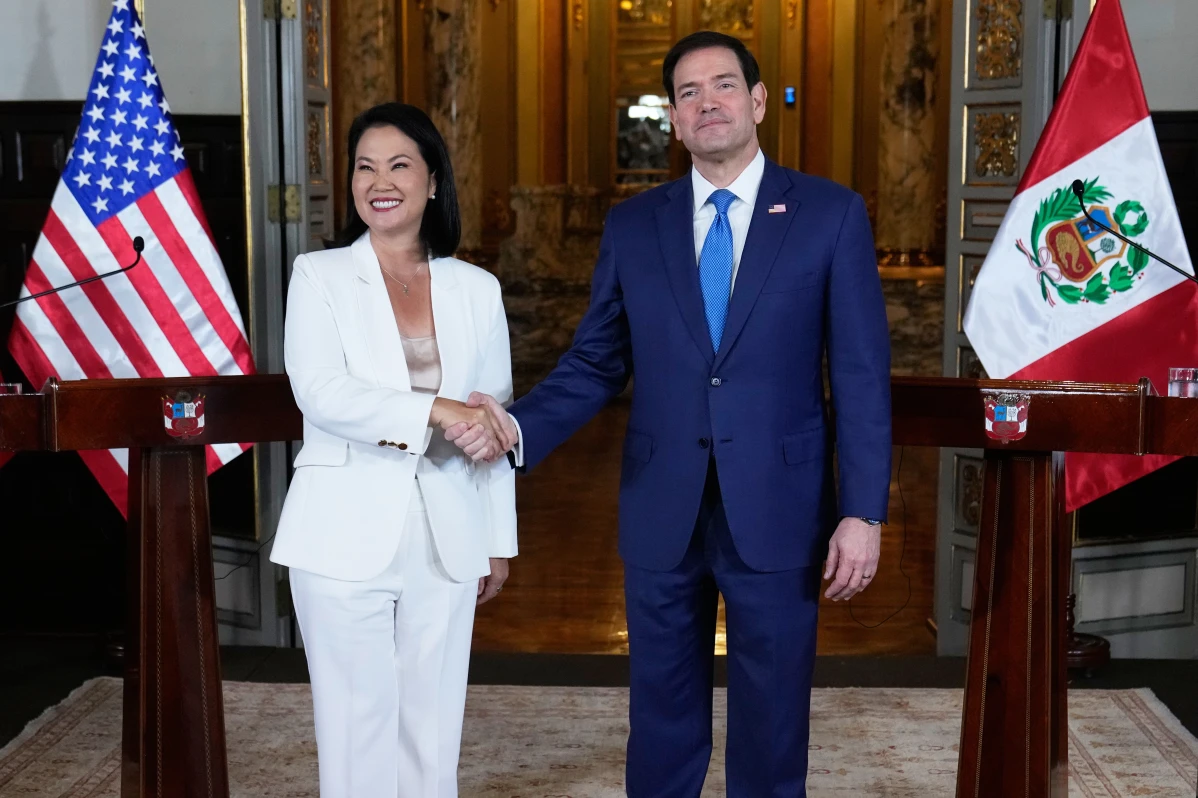
His remarks came shortly after Fujimori announced that Peru had joined the “Shield of the Americas,” a U.S.-led coalition of countries seeking to conduct joint military operations against drug cartels. Colombia, which Rubio also visited, has recently joined the group under its new President Abelardo de la Espriella.
Rubio also acknowledged that the U.S. strategy for tackling drug trafficking in Latin American waters was evolving. He said Washington would work with allied governments and take their laws into account, while maintaining that the U.S. military would retain the ability to conduct strikes when deemed necessary.
The U.S Secretary of state said that the military would “still blow up ships if need be,” adding that decisions would be made on a “strike-by-strike or operation-by-operation” basis.
The comments come amid a yearlong U.S. campaign of deadly strikes against suspected drug boats in international waters, as the Trump administration seeks to intensify its fight against narcotics trafficking.
The administration has increasingly invoked the idea of restoring U.S. primacy in the Western Hemisphere, with Trump repeatedly referring to the Monroe Doctrine and calling for a stronger U.S. role in addressing drugs, migration and the growing presence of China.
The latest military financing shift puts that policy into practical terms, directing additional U.S. security resources toward countries viewed as strategically important partners in Washington’s efforts to reshape its approach to the Western Hemisphere.
READ ALSO: Accra-Kumasi Expressway to Be Delivered in 24 Months, Project CEO Says