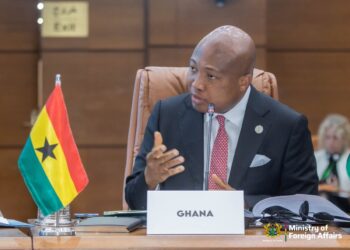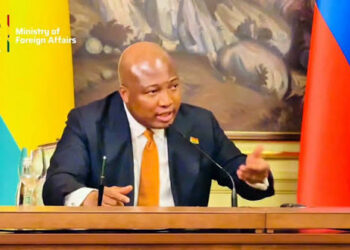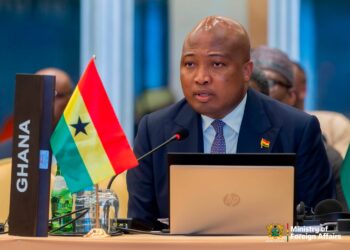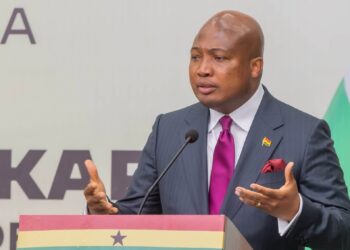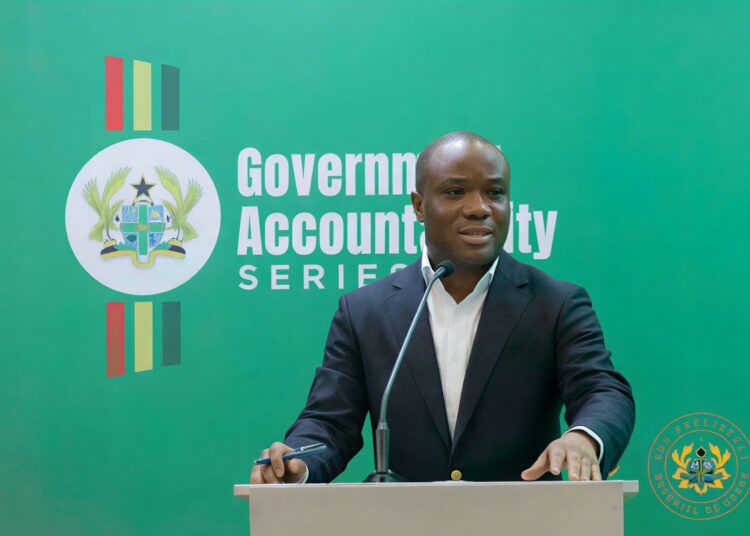
The Presidential Spokesperson and Minister of Government Communications, Honourable Felix Kwakye Ofosu, has clarified that no salary increments have been introduced for Article 71 office holders under the current administration. He stated that public claims suggesting otherwise are inaccurate and misrepresent the established constitutional procedures governing remuneration.
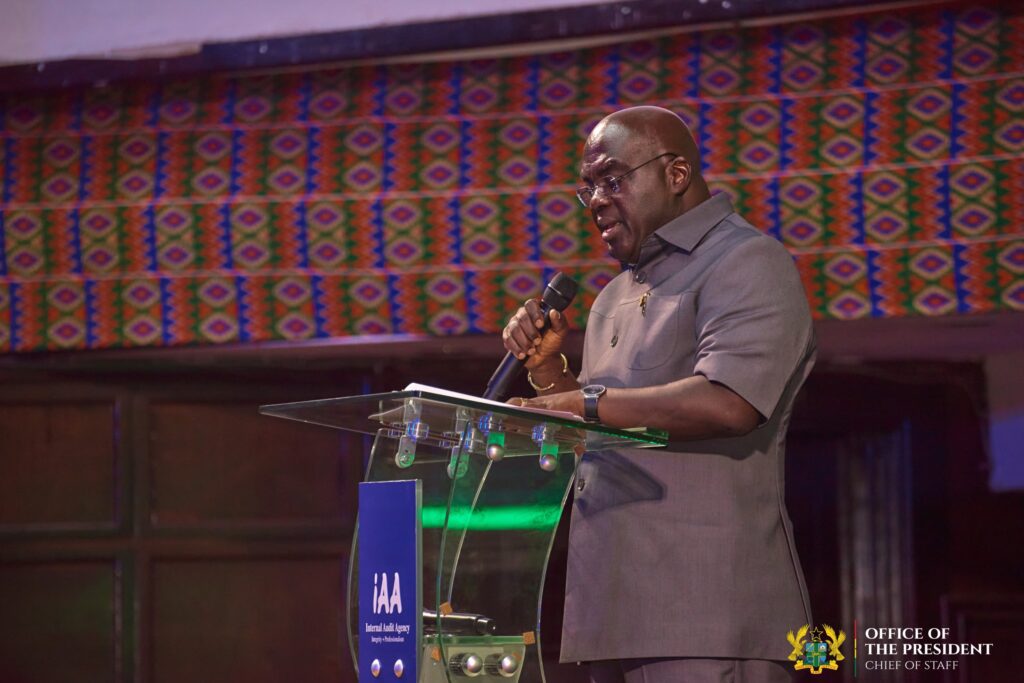
Speaking at the Government Accountability Series, he explained that the determination of conditions of service for specified public office holders follows a structured constitutional framework. He stressed that the process is managed by independent committees and not subject to presidential direction or personal discretion.
He outlined that Article 71 office holders include the President, Vice President, Ministers, Deputy Ministers and Members of Parliament. He noted that staff at the Presidency are not classified under Article 71, although their conditions of service are aligned through comparable grading structures.
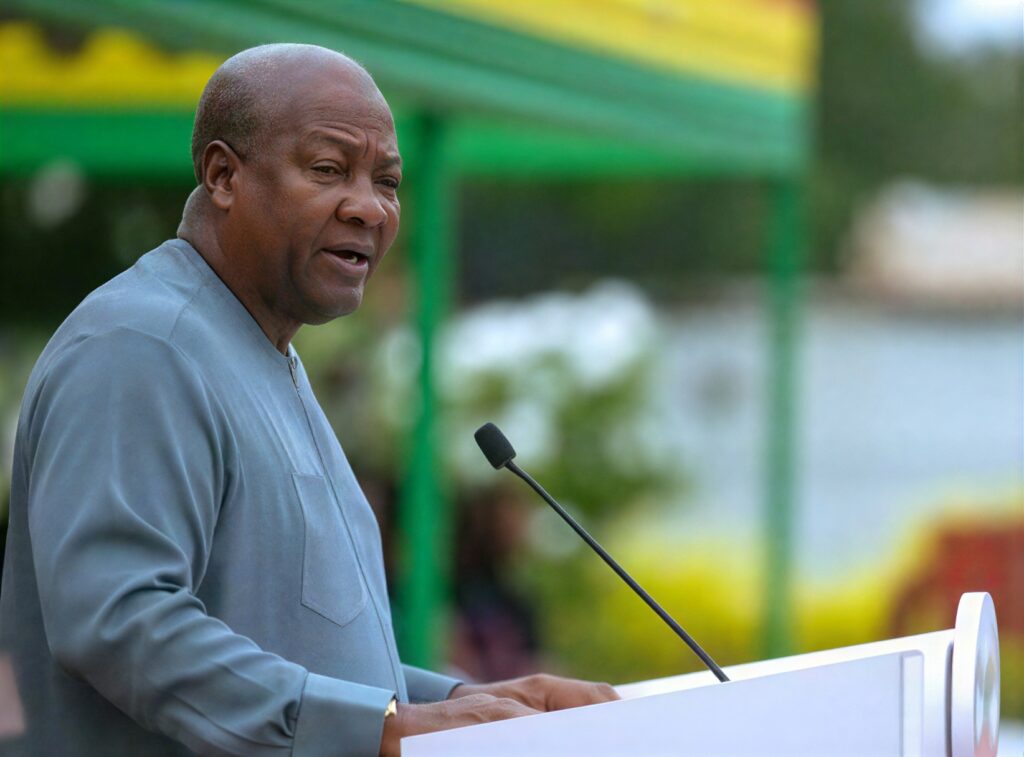
Referencing successive administrations, including those of Jerry John Rawlings, John Agyekum Kufuor, John Evans Atta Mills, Nana Addo Dankwa Akufo-Addo and John Dramani Mahama, the Presidential Spokesperson noted that all have operated within similar constitutional mechanisms. He added that this continuity reflects an established governance practice.
“The claim that President Mahama has increased salaries of Article 71 office holders is illogical and blatantly false. The process is determined by independent committees and not by presidential instruction.”
Honourable Felix Kwakye Ofosu
Furthermore, he explained that remuneration structures are guided by grading systems such as award points, which ensure consistency across comparable public offices. He added that these frameworks help standardise compensation across the public sector.
Subsequently he clarified that ministerial salaries are not uniform, as variations depend on parliamentary status and assigned grading levels determined by the relevant committees. He also stressed that only constitutionally mandated bodies have authority over salary determinations.
“The President has not determined any salaries. Any claim suggesting direct salary control by the Presidency is incorrect.”
Honourable Felix Kwakye Ofosu
Honourable Kwakye indicated that public officers are sometimes placed on interim payments pending final committee determinations. Ultimately, he added that top up payments are made once approved salary structures are confirmed, covering the difference between interim and final amounts.
Government Explains Independent Emoluments System And Historical Pay Framework
The Minister of Government Communications expanded on the institutional framework guiding public sector remuneration, stressing that emoluments are determined solely through independent committee recommendations. He explained that this system has remained consistent across successive administrations and is rooted in constitutional practice.
He observed that award point systems have historically served as the basis for structuring salaries across public offices, thereby ensuring consistent alignment between comparable roles. He further noted that positions such as the Chief of Staff and other senior offices are accordingly classified within defined grading bands that determine their respective salary ranges.
He referenced the 2013 award point framework, noting that it initially categorised key administrative roles within structured levels. Following that, he explained that subsequent committees reviewed and adjusted these grading points in response to evolving public sector conditions.
Thereafter, he cited the committee chaired by Professor Dora Francisca Edu-Buandoh, which adjusted earlier grading levels during a previous administration. He further mentioned the committee led by Yaa Ntiamoah-Baidu, which revised grading points upward between 2017 and 2021.
He pointed out the committee chaired by Janet Ampedu Fofie, which implemented additional adjustments towards the end of a prior administration, noting that these successive reviews collectively shaped the current remuneration structure across the public sector.
The spokesperson emphasised that each new administration inherits approved committee determinations and cannot independently reduce established conditions of service. He added that any adjustments to remuneration must follow formal review processes rather than executive action.
He highlighted the committee chaired by Janet Ampedu Fofie, which introduced further adjustments towards the end of a previous administration. He added that these successive reviews have, over time, collectively shaped the current remuneration structure across the public sector.
“The difference between interim pay and approved salary is settled through structured top ups. This process applies across successive administrations.”
Honourable Felix Kwakye Ofosu
Additionally the Minister disclosed that discussions are ongoing regarding the establishment of a proposed independent emoluments body under constitutional review. He explained that Cabinet is currently considering proposals aimed at harmonising salary structures across the public sector.
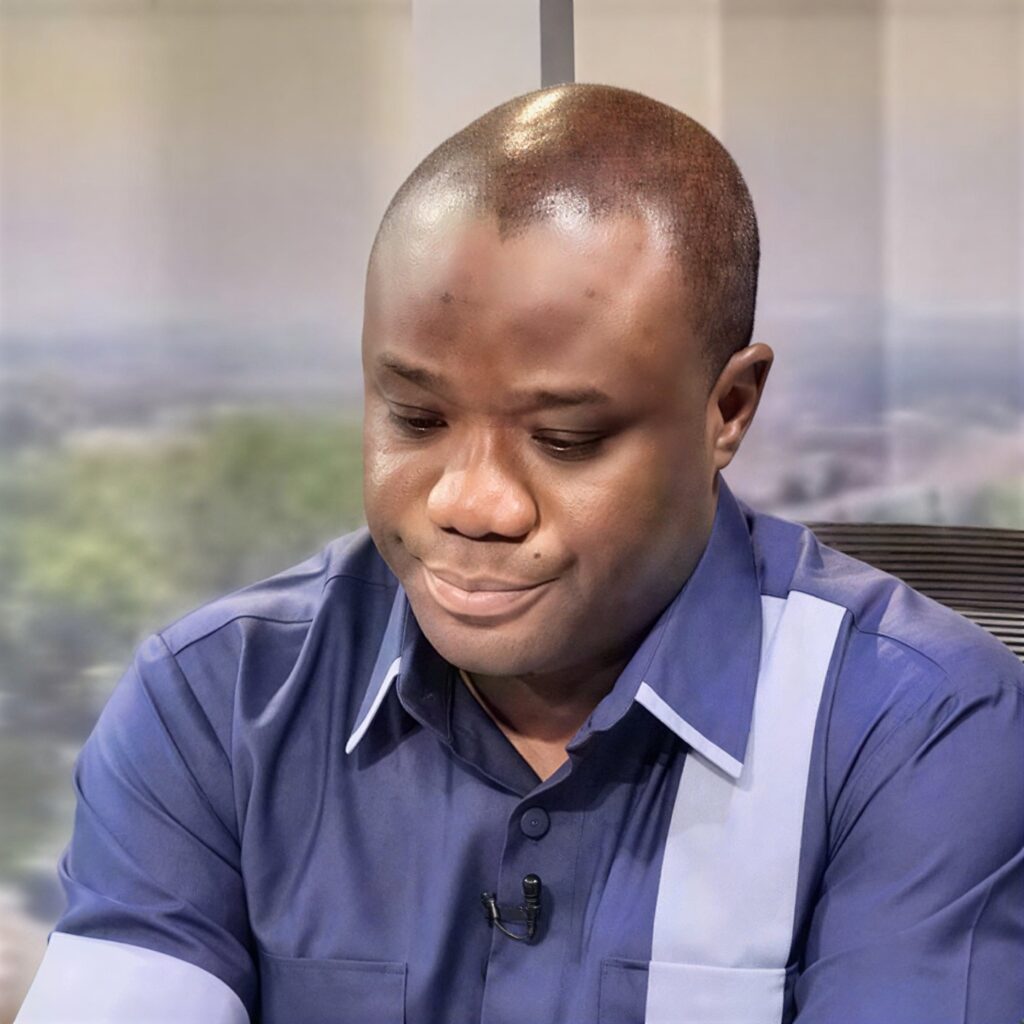
The Presidency Spokesperson added that the reform initiative seeks to reduce disparities between different categories of public servants while promoting transparency and consistency. He emphasised that the existing system continues to operate under approved committee frameworks while reforms are being reviewed.
READ ALSO: Sophia Akuffo’s Council of State Resignation Accepted, Kwakye Ofosu Confirms