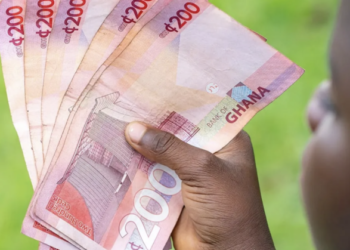
After weeks of sustained depreciation, the cedi has mounted a remarkable comeback since the tailend of last week.
As of today mid-June 2026, the Ghanaian cedi continues to demonstrate resilience in the foreign exchange market. This performance reflects successful macroeconomic stabilization efforts, robust gold export earnings, and deliberate policies by the Bank of Ghana to accumulate foreign reserves.
The local currency’s recent gains mark a departure from years of volatility and signal growing investor confidence in Ghana’s economic management.
Current Performance of the Cedi
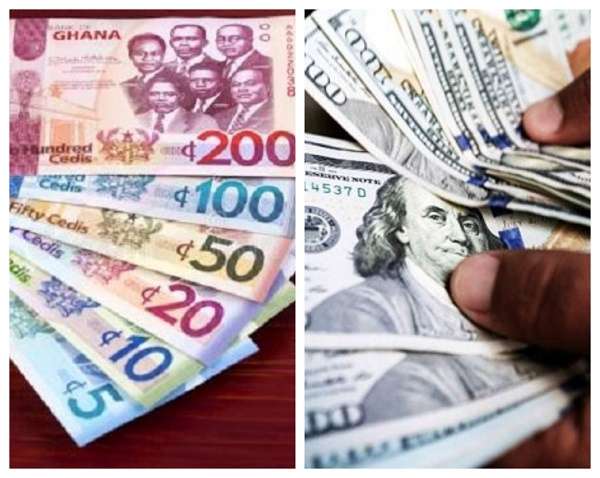
On June 15, 2026, the cedi traded at approximately 11.10 GHS per US dollar on the interbank market, with retail rates showing similar stability. This represents further appreciation in recent weeks, building on gains observed earlier in the year. Over the past month, the currency has strengthened by around 1.77 percent against the dollar, according to market trackers.
This strength comes after the cedi achieved its first annual gain against the US dollar in over 30 years in 2025, appreciating by nearly 41 percent. The momentum has carried into 2026, supported by improved fundamentals rather than temporary interventions alone. Interbank rates have hovered between 10.95 and 11.73 GHS/USD in early 2026, indicating controlled volatility.
Analysts attribute the positive trend to multiple factors, including tighter monetary policy, fiscal discipline under the IMF program, and strong commodity earnings. The Bank of Ghana has maintained a cautious approach, intervening selectively while allowing market forces to play a larger role.
Surge in Foreign Exchange Reserves
Ghana’s gross international reserves have risen significantly, providing a stronger buffer against external shocks. Reserves reached around 13.8 billion to 14.5 billion USD in the first few months of 2026, up from about 8.9 billion USD at the end of 2024. This equates to roughly 5.7 months of import cover, a notable improvement from previous levels.
The government launched the Ghana Accelerated National Reserve Accumulation Policy (GANRAP) for 2026-2028. It aims to build reserves to 15 months of import cover by 2028 through structured, gold-backed mechanisms and reduced reliance on borrowing.
The Domestic Gold Purchase Programme (DGPP) has been instrumental, contributing over 19 billion USD in foreign exchange and physical gold to reserves since inception. This initiative allows the central bank to buy gold directly from local producers, converting output into reserve assets and supporting the cedi.
Higher reserves enhance the central bank’s ability to manage exchange rate pressures and boost market confidence. They also improve Ghana’s external position as the country transitions from the IMF’s Extended Credit Facility to a non-financing Policy Coordination Instrument.
Gold Exports Drive Economic Resilience
Gold remains the cornerstone of Ghana’s export economy and a key driver of cedi stability. In the first four months of 2026, total export earnings reached 11.1 billion USD, with gold contributing a substantial 6.8 billion USD. This performance builds on record production of 6 million ounces in 2025, with targets set at 6.5 million ounces for 2026.
Elevated global gold prices, driven by geopolitical uncertainties and safe-haven demand, have amplified revenues. Ghana, Africa’s leading gold producer, benefits from both large-scale mining and formalized artisanal output. Reforms, including local refining mandates starting in 2026, aim to capture more value domestically while maintaining export momentum.
Gold earnings help offset vulnerabilities in other sectors, such as cocoa and oil, and provide a natural hedge against currency depreciation. The linkage between gold and reserves creates a virtuous cycle: higher exports build buffers, which in turn support currency stability and attract further investment.
Broader Economic Context and Challenges
The cedi’s strength aligns with Ghana’s broader recovery. First-quarter 2026 GDP growth reached 6.4 percent, inflation has fallen to near multi-year lows around 3.7 percent, and debt restructuring efforts near completion. These developments foster a positive feedback loop for the currency.
Nevertheless, risks persist. Global gold price fluctuations, rising import demand, and potential fiscal slippages could test gains. Analysts note that while reserves are healthier, sustaining accumulation requires continued fiscal prudence and diversification beyond commodities. External factors like oil prices and global monetary policy shifts also warrant monitoring.
The government and central bank emphasize self-reliance, targeting investment-grade credit ratings in the medium term. Policies promoting local gold refining and reserve building form part of this strategy.
Outlook for the Cedi and Reserves
In the coming weeks, the cedi is expected to remain relatively stable if gold prices hold and policy implementation stays on track. Forecasts suggest continued moderate appreciation or consolidation around current levels, provided external shocks are managed.
The combination of strong reserves, gold-driven inflows, and ongoing reforms positions Ghana favorably. Sustained progress could reduce vulnerability to currency crises and support broader goals of inclusive growth and economic transformation.
The Ghanaian cedi’s recent strengthening, underpinned by building reserves and robust gold exports, represents a tangible outcome of stabilization efforts. While challenges remain, the current trajectory offers optimism for Ghana’s economic prospects in 2026 and beyond. Continued vigilance and structural reforms will be essential to lock in these gains.
READ ALSO: Ghana Opens Agricultural Corridors to Thai Investment, Showcases Palm Oil Potential