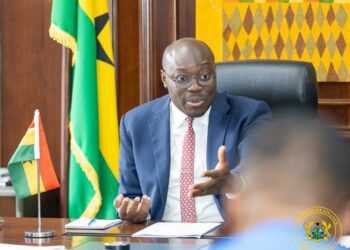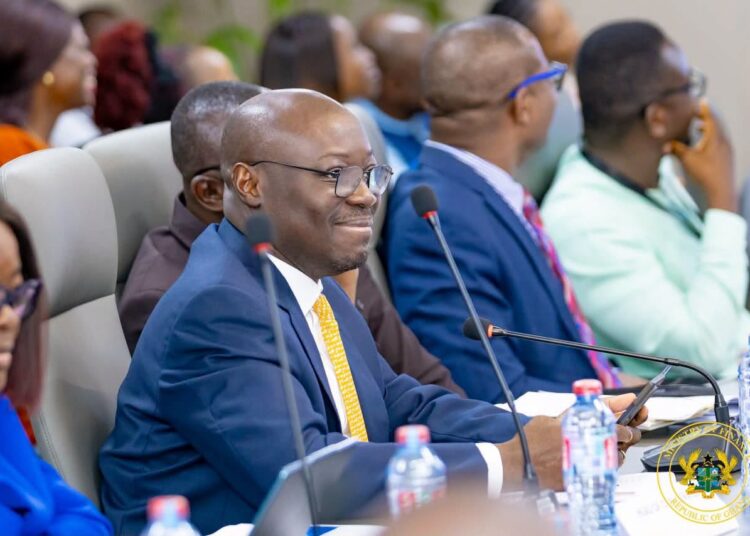
Ghana’s plan to make about US$2 billion available each year to job-creating sectors is shifting attention towards a central question ahead of the 2027 Budget: where will the money come from, and how much will ultimately sit on the public balance sheet?
President John Dramani Mahama says the November Budget will focus on nine critical sectors capable of generating jobs quickly, with the programme expected to be driven mainly by the private sector.
The announcement does not establish that government intends to spend US$2 billion directly from the budget every year. Financing could combine public investment, development finance, guarantees, concessional funding and private capital.
Until the structure is disclosed, treating the entire amount as additional government expenditure would overstate the fiscal commitment. The announcement nevertheless raises the stakes for the 2027 Budget because Ghana is moving from economic stabilisation towards a more investment-intensive growth strategy.
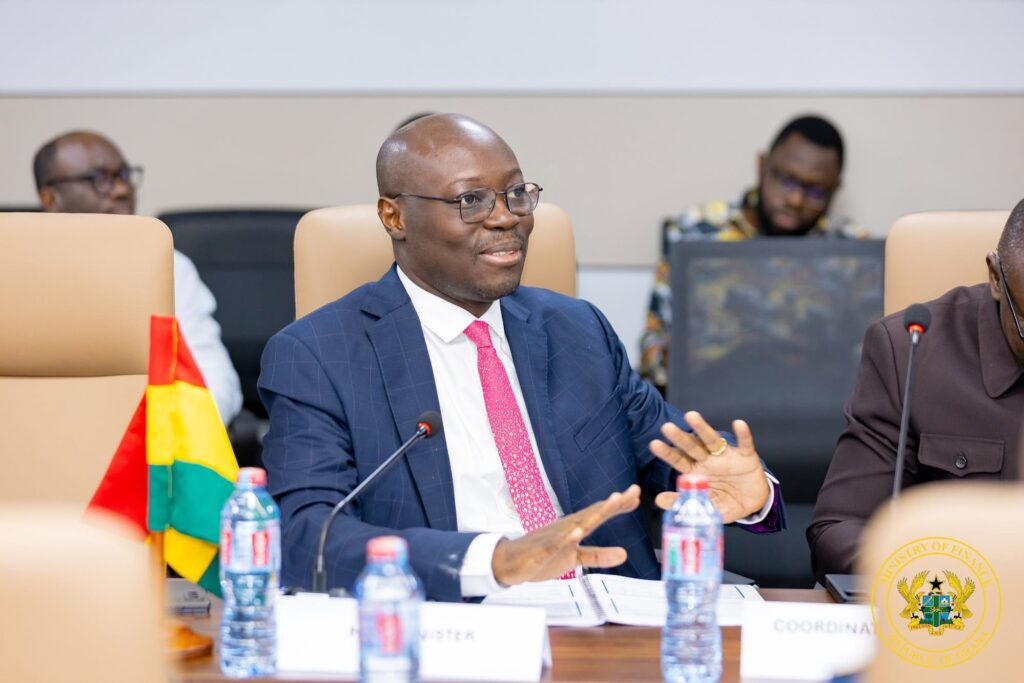
Government has already said its broader New Economy programme could involve about US$10 billion in investment, while consultations have focused on production, value addition and private-sector-led job creation. The latest US$2 billion annual figure therefore gives the programme a clearer scale, but not yet a complete financing model.
Financing Structure Will Determine the Fiscal Cost
President Mahama said, “We intend to make about two billion dollars available every year in sectors that can create jobs.” He added that the programme would be driven mainly by the private sector, with the Finance Minister expected to provide the detailed framework in November.
That private-sector emphasis is economically important. If government uses public funds mainly to de-risk viable projects, improve infrastructure or crowd in private investment, the direct budgetary burden could be smaller than the headline US$2 billion.
If a large share comes through direct spending, state-backed borrowing or guarantees, the implications for the deficit, debt and contingent liabilities would be greater. The programme’s economic value will therefore depend less on the headline commitment than on implementation, financing discipline and project selection.
The emerging accountability framework around the New Economy programme matters because investment needs to produce measurable gains in productivity, exports, employment and household incomes rather than simply expand expenditure.
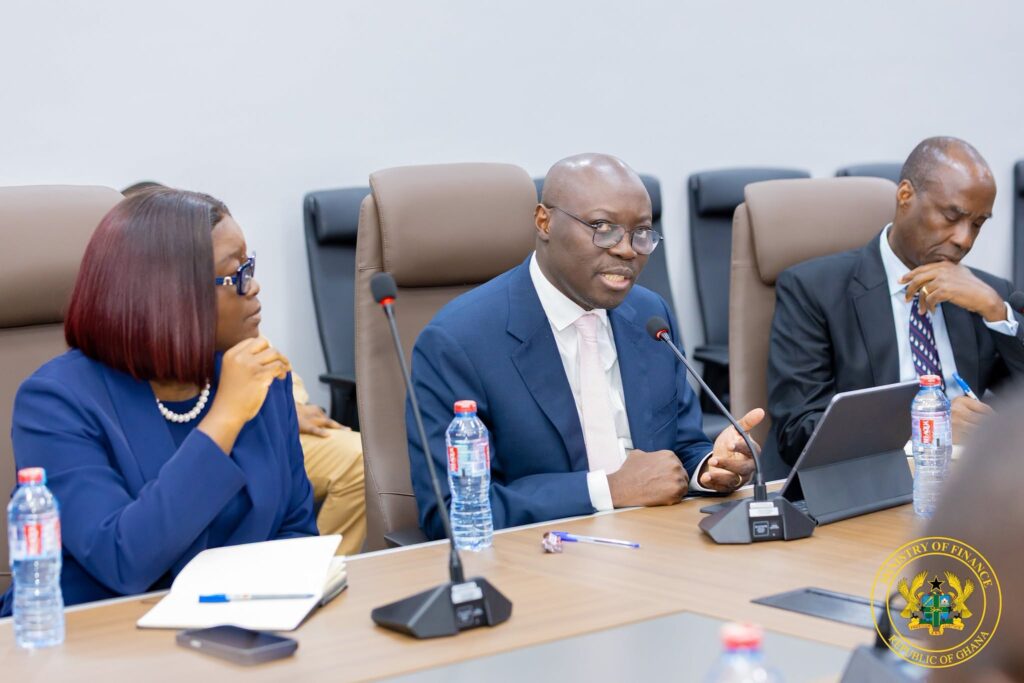
Fiscal Space Exists, But It Is Not Unlimited
The programme is being prepared in a stronger macroeconomic environment than Ghana faced during the recent debt crisis. In its July 2026 review, the IMF upgraded Ghana’s debt-distress risk to moderate and said recent debt reduction had created carefully calibrated fiscal space.
It also assessed that the primary-surplus target could fall from 1.5 per cent of GDP to 0.5 per cent from 2027 while remaining consistent with the legislated 45 per cent debt-to-GDP anchor by 2034.
The IMF tied it to stronger domestic revenue mobilisation, better public financial and investment management, and tighter oversight of state-owned enterprises, particularly in the energy and cocoa sectors.
The question is therefore not whether Ghana can invest more after stabilisation. It is whether new fiscal space can be converted into productive assets without rebuilding the financing pressures that forced the country into debt restructuring.
Private Capital Must Be More Than a Funding Label
Government’s reliance on the private sector could help resolve that tension. New Economy consultations have focused on productive sectors where private capital can support value addition, exports and employment rather than creating another generation of state-run commercial enterprises.
But calling a programme private-sector-led does not automatically remove fiscal risk. Public-private partnerships, guarantees, viability-gap financing and state-backed credit can generate future obligations even when initial expenditure does not appear as conventional budget spending.
That makes transparent project selection essential. Government will need to show which sectors receive support, what financial instruments are used, how risks are shared between taxpayers and investors, and what performance benchmarks determine continued funding.
The National Development Planning Commission’s expected oversight role therefore becomes more consequential as the programme’s scale becomes clearer. Independent tracking can help distinguish investment that creates additional productive capacity from spending that merely carries a development label.
2027 Budget Must Connect Jobs to Returns
Job creation provides the political and social rationale for the programme, but jobs cannot be the only measure of economic success. Projects that raise productivity, substitute efficient imports, expand exports and generate sustainable tax revenue would strengthen both employment and Ghana’s fiscal position.
Agriculture illustrates the opportunity. President Mahama has identified oil palm and poultry among the priority areas, arguing that Ghana should reduce dependence on imported vegetable oil and noting that the country spends nearly US$500 million annually on chicken imports.
If domestic producers can compete on cost and quality, investment in those value chains could support employment while easing foreign-exchange demand.
The November Budget therefore needs to do more than identify nine sectors and repeat the US$2 billion figure. It must explain the financing mix, the state’s exposure, the expected private-sector contribution and the criteria by which investments will be judged.
Ghana has created more room to pursue growth after a difficult period of stabilisation. The test for the 2027 Budget is whether that room can crowd in productive private capital and create durable jobs without weakening the fiscal discipline that made the new investment phase possible.
READ ALSO: NaCCA Denies Institutional Role in Confucius Institute Teacher Training