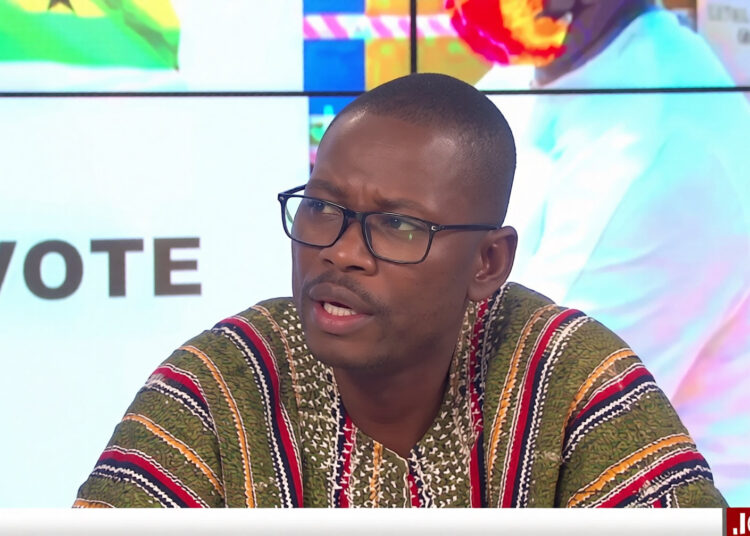
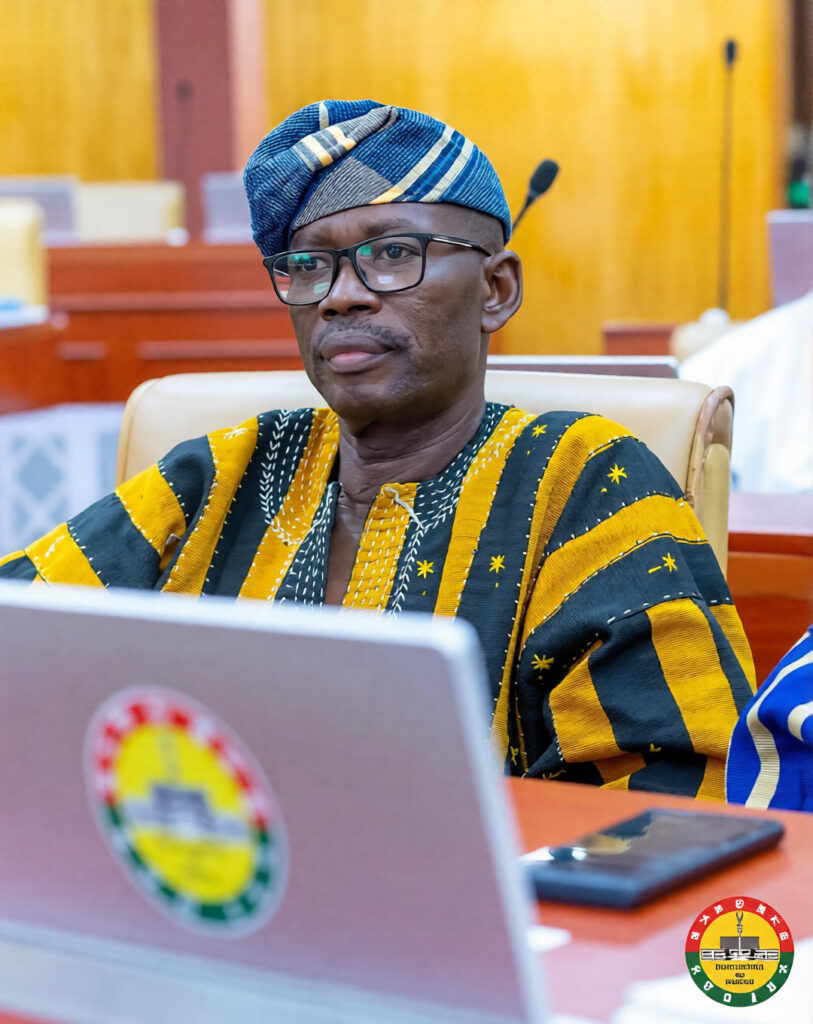
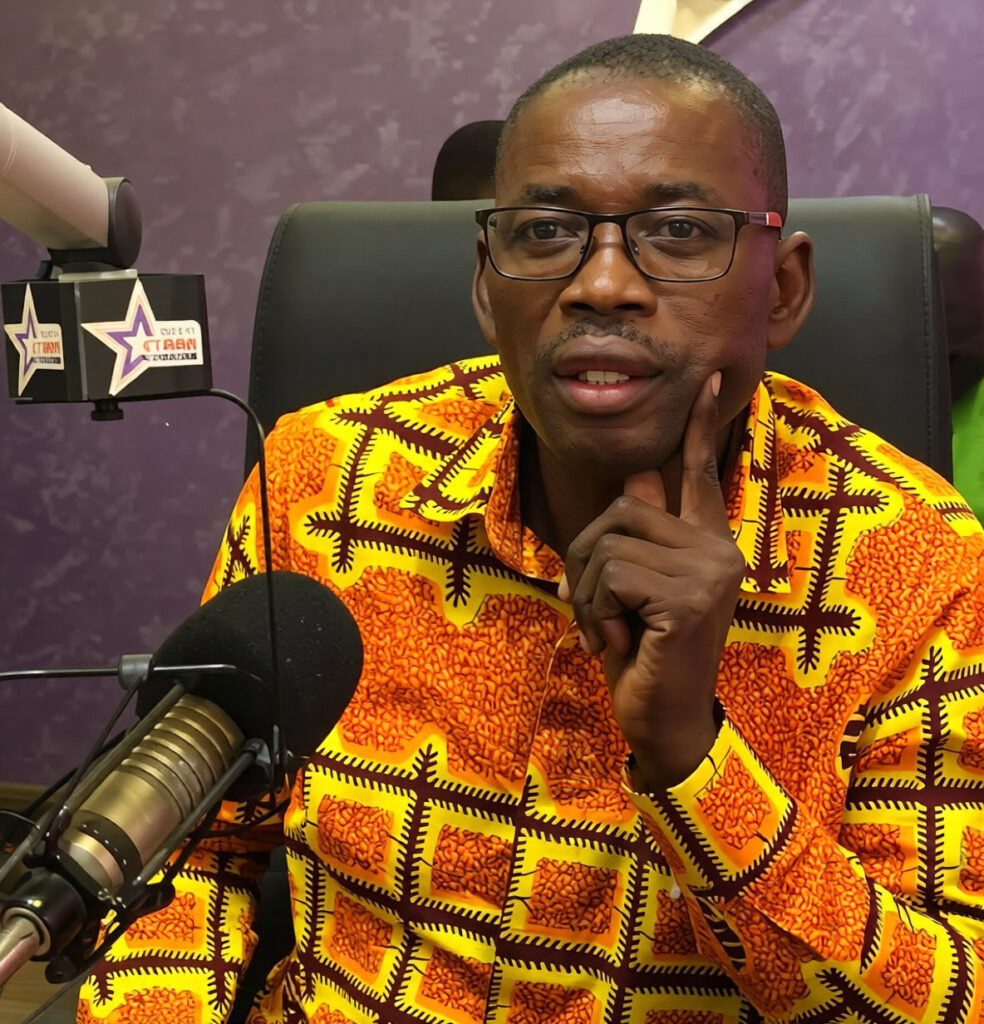
The Member of Parliament for Wa West and Vice Chairman of Parliament’s Interior and Defence Committee, Honourable Peter Lanchene Toobu has questioned the need for Parliament to be recalled over the recent cocaine seizure in France, arguing that existing parliamentary committees can undertake the necessary oversight while the House remains on recess.
The Wa West MP was responding to the Minority’s call for Parliament to reconvene and investigate the circumstances surrounding the seizure of nearly 3.9 tonnes of cocaine in Dunkirk, France. The shipment, concealed in a container of plastic waste from Ghana, was valued at about €225 million by French authorities.
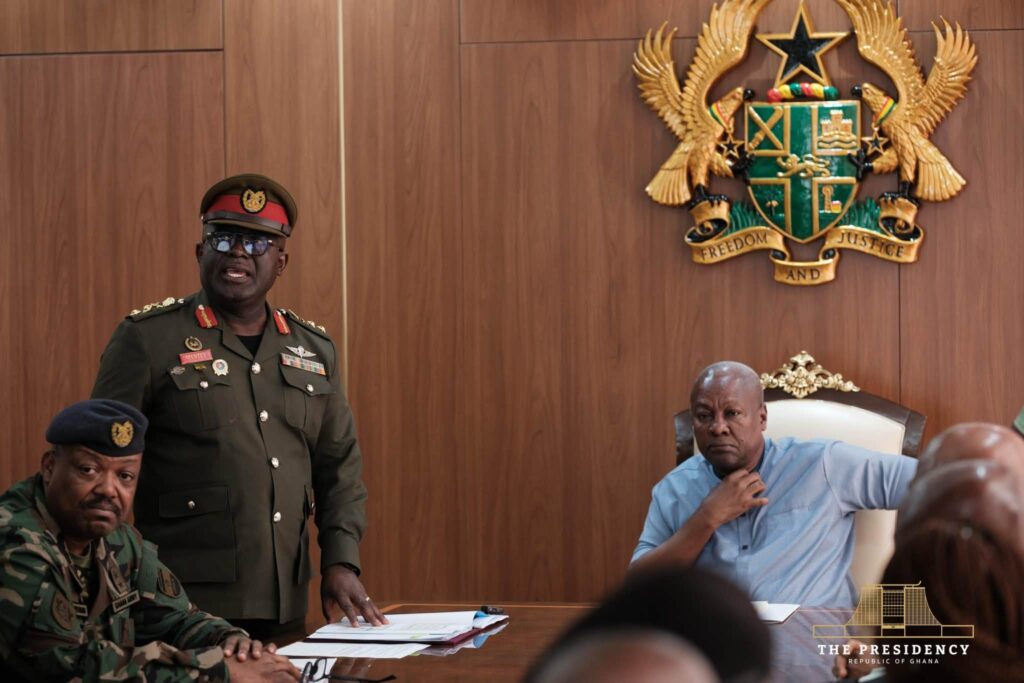
Honourable Toobu explained that the national security dimension of the matter is already receiving attention from the Executive. He pointed to President John Dramani Mahama’s meeting with security stakeholders and the directive for a blueprint to strengthen Ghana’s response to narcotics trafficking.
“Let’s watch what they do because the President has given them two weeks to provide a blueprint that will ensure Ghana wins this war against the drug menace.”
Honourable Peter Lanchene Toobu
Furthermore, the Vice Chair argued that parliamentary oversight does not depend solely on a full sitting of the House. He noted that committees responsible for transport, defence and interior matters as well as trade and industry remain available to examine issues within their respective mandates.
The Vice Chair stressed that effective oversight should begin long before a security breach occurs. In his explanation, parliamentary scrutiny covers policy development, budget preparation, resource allocation and implementation, allowing committees to identify weaknesses before they result in serious incidents.
He therefore questioned whether an immediate recall would provide a more effective mechanism for accountability. The Wa West MP suggested that committees could examine the systems at the ports, the resources available to security agencies and the effectiveness of existing narcotics controls.
Meanwhile, the recent arrests have provided Ghanaian authorities with an opportunity to pursue the investigation through established security and law enforcement channels. Four Ghanaians have been charged in Accra over the alleged exportation of narcotics, with the accused persons remanded to reappear in court on October 13.
Against this backdrop, Honourable Toobu urged Parliament to approach the matter as a national security issue instead of allowing it to become a contest between the Majority and Minority. He argued that cooperation among lawmakers would strengthen the parliamentary response and enable the relevant committees to work with the security agencies.
The Interior and Defence Committee Vice Chairman also pointed to the wider security work already underway following the French seizure. He added that the existence of active investigations and an Executive directive meant Parliament could pursue oversight through its established structures without necessarily recalling the entire House.
Drug Trafficking Demands Stronger Port Security And Intelligence
The growing number of major narcotics seizures linked to Ghana has also renewed attention on the country’s port security and intelligence systems.
Honourable Peter Lanchene Toobu argued that recent interceptions demonstrate both the scale of the threat and the increasing activity of Ghana’s security institutions.
The Vice Chair explained that the Bureau of National Intelligence, Narcotics Control Commission, Ghana Police Service, port security authorities and Ghana Revenue Authority all have roles within the national response. Their combined operations, he noted, have resulted in a series of arrests and seizures that have brought previously hidden trafficking activity into public view.
The Wa West MP pointed to the nearly 3.9 tonnes of cocaine intercepted at Dunkirk as evidence that vulnerabilities remain within the system. He stressed that even a highly developed security arrangement can be compromised when one shipment passes through undetected.
“However tight your security is, one slip will let you know that there is still room for improvement.”
Honourable Peter Lanchene Toobu
Additionally, Honourable Toobu argued that the discovery of drugs within Ghana and the subsequent arrests show that traffickers are facing increasing difficulty moving narcotics through the country. He referenced arrests along routes including the Dambai Road and Cape Coast Road as examples of enforcement activity beyond the ports.
The Vice Chair also raised questions about the role of specialised narcotics agencies at Ghana’s harbours. He questioned the earlier removal of the Narcotics Control Commission from the security chain at the harbour and argued that specialised institutions should have an active role where narcotics trafficking risks are concentrated.
Moreover, he called for closer cooperation among agencies involved in drug enforcement. Intelligence sharing, coordinated operations and joint planning, he argued, would prevent individual institutions from working in isolation.
The emphasis ought to be on institutional synergy instead of competition between agencies. Honourable Toobu urged the security establishment to focus on complementing one another so that trafficking networks face stronger barriers across Ghana’s ports, borders and transportation routes.
READ ALSO: Ernest Nuamah Scores a Brace as Lyon Crush Rennes