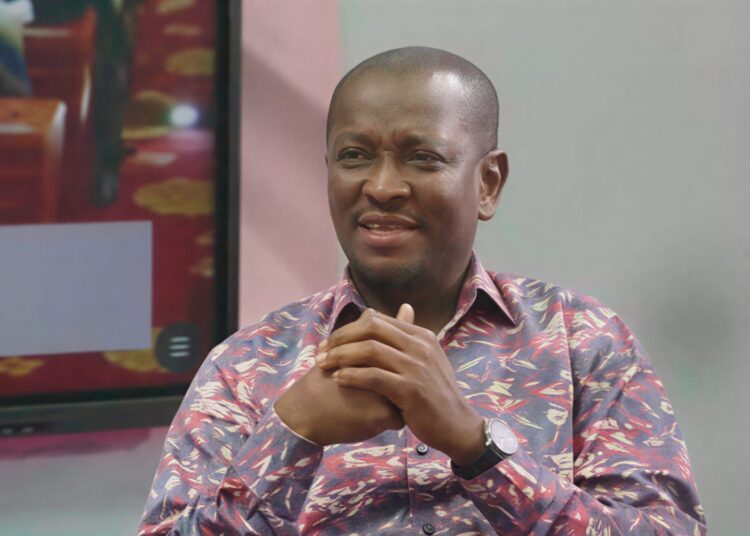
The Former Attorney-General, Alfred Tuah-Yeboah has stated that Ghanaian investigative bodies are fully entitled to continue their processes despite a United States immigration court decision involving former Finance Minister Ken Nana Yaw Ofori-Atta. He explained that judicial outcomes delivered in foreign jurisdictions do not automatically halt ongoing domestic criminal or investigative proceedings.
He made the remarks in response to questions on the implications of the US ruling and its relationship with investigations being undertaken by the Office of the Special Prosecutor. The Former Attorney-General stressed that each jurisdiction operates within its own legal framework.
“The OSP in Ghana has already indicated they also have this pending matter in Ghana. And so nothing is stopping the OSP in Ghana from pursuing whatever prosecution they want to prosecute.”
Alfred Yeboah-Tuah
Tuah-Yeboah also pointed to institutional confidence within the justice system as central to democratic governance. He stated that recent developments surrounding judicial leadership have shaped perceptions within the judiciary.
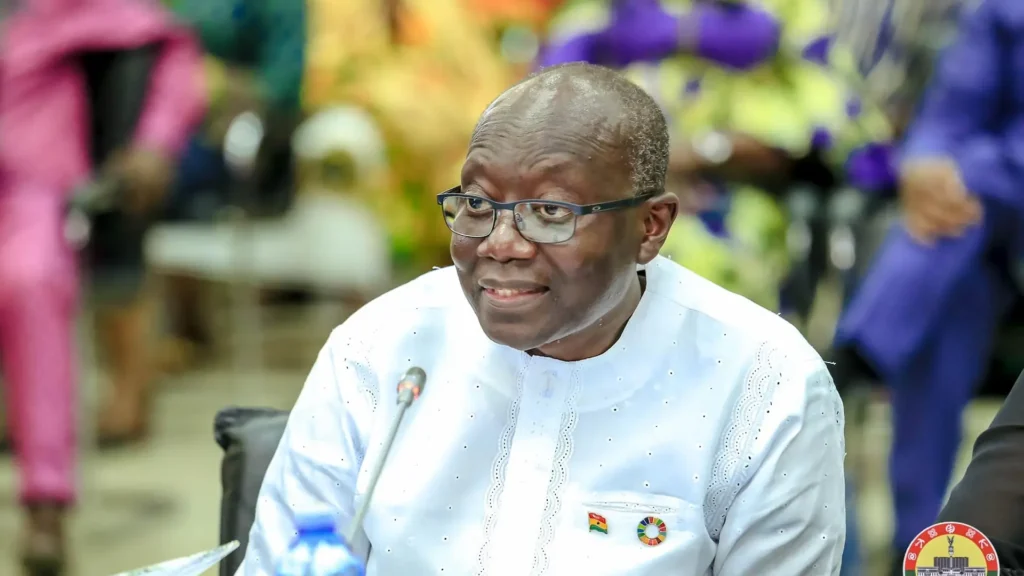
“The manner in which leadership changes occur within the judiciary sends signals across the entire system. Judges operate within an environment that demands confidence and institutional stability.”
Alfred Tuah-Yeboah
The Former Attorney-General referenced statements attributed to former Chief Justice Kwasi Anin-Yeboah regarding judicial developments. He indicated that such commentary feeds into wider national conversations on judicial independence and governance practices.
Furthermore, Tuah-Yeboah highlighted that judges at various levels may operate under caution due to perceived institutional vulnerabilities. He noted that this perception influences the broader functioning of the justice system.
The Former Attorney-General, nonetheless criticised operational practices within some investigative bodies. He mentioned the Economic and Organised Crime Office and the Ghana Police Service in his assessment of enforcement methods.
He cited instances involving public figures including Shatta Wale and Owusu Bempah as examples of arrest procedures he described as excessive. He also referenced the case of Baba Amando and other communicators to illustrate his position.
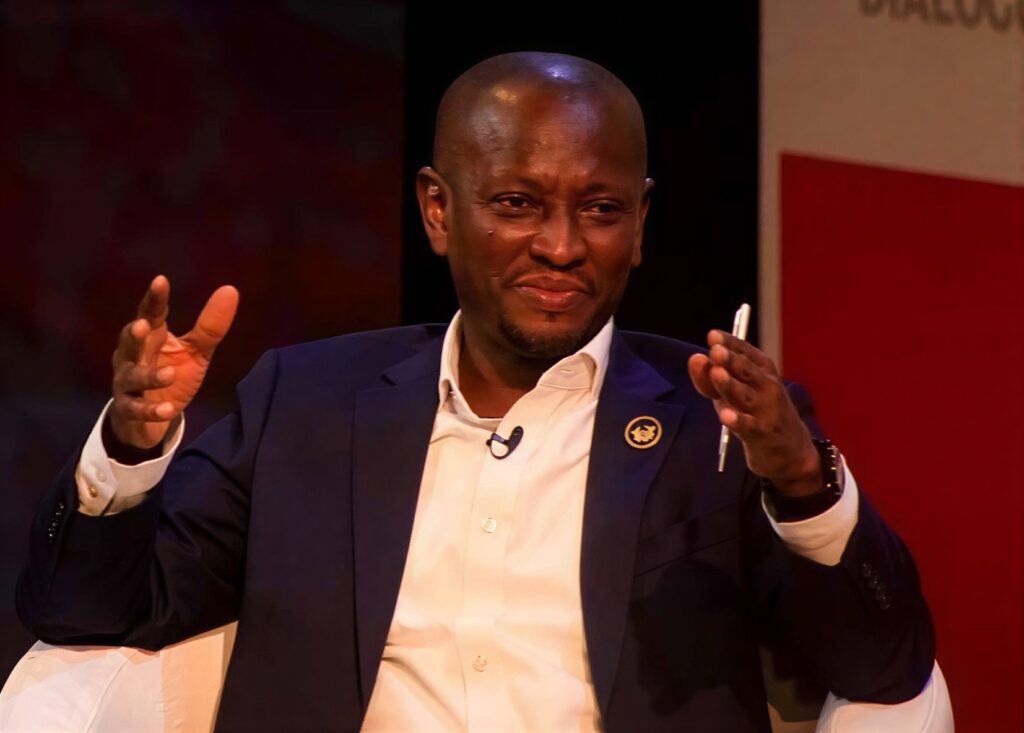
“Law enforcement must operate strictly within legal boundaries. Arrest procedures and bail conditions must never create fear or become instruments of pressure.”
Alfred Tuah-Yeboah
The Former Attorney-General added that bail conditions in some cases appear disproportionately high and difficult to meet. He warned that such practices risk undermining trust in state institutions if not addressed through legal safeguards.
He added that enforcement agencies must adhere strictly to procedural law while maintaining professionalism. Tuah-Yeboah stressed that institutional credibility depends on consistent respect for established legal protocols.
Bail Practices and Prosecution Decisions Raise Accountability Debate
The Former Attorney-General, Alfred Tuah-Yeboah raised issues regarding the use of bail conditions and prosecutorial discretion within Ghana’s justice system. He argued that recent practices within law enforcement and prosecutorial decisions require closer national scrutiny.
Tuah-Yeboah explained that bail conditions in certain cases appear to function as punitive measures rather than procedural safeguards. He stated that such practices contradict the spirit of statutory provisions governing bail administration.
He cited electoral scenarios where individuals facing allegations could be subjected to restrictive bail terms that prevent participation in democratic processes. He added that such situations raise fundamental questions about fairness in enforcement.
“A bail condition must never become a punishment before trial. Legal safeguards exist to ensure liberty while justice follows its course.”
Alfred Tuah-Yeboah
The Former Attorney-General further referenced Section 96 of Act 30, stressing that bail is not intended as a form of punishment. He noted that enforcement practices must align with constitutional protections for accused persons.

Pointing to decisions by the Attorney-General’s office to discontinue certain inherited cases, Tuah-Yeboah acknowledged that legal withdrawals fall within prosecutorial discretion while questioning patterns in their application.
He stated that some discontinued cases involved individuals from different political backgrounds, raising issues of equal treatment before the law. He added that consistency is central to public confidence in prosecutorial actions.
“The application of prosecutorial discretion must remain even and transparent. Selective outcomes weaken public confidence in accountability processes.”
Alfred Tuah-Yeboah
The Former Attorney-General explained that the distinction between nolle prosequi and outright withdrawal carries significant legal implications. He argued that procedural choices can determine whether cases may be revisited or permanently closed.
He further referenced the Sargent Germain case, noting that it was discontinued due to alleged defects in charge preparation. He added that no subsequent legal action has followed since the withdrawal decision.
READ ALSO: No Parliamentary Approval Needed For Ministerial Action — Akandoh Defends Directives