The Minister for Education, Hon. Haruna Iddrisu, has called for greater focus on foundational learning, stressing that increased access to education must translate into improved literacy, numeracy, and overall learning outcomes for Ghanaian pupils.
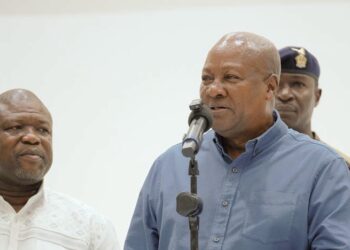
Speaking at the Ghana and Regional Foundational Learning, Evidence and Implementation Support Day in Accra, Hon. Iddrisu said education policies and investments must be guided by evidence and by what has been proven to work for learners, rather than relying on assumptions or generalised approaches to education delivery.
Hon. Iddrisu cited the Ghana Accountability for Learning Outcomes Project (GALOP), which identified 10,579 low-performing basic schools for targeted support, as a practical example of how evidence can guide the allocation of resources within the education sector.
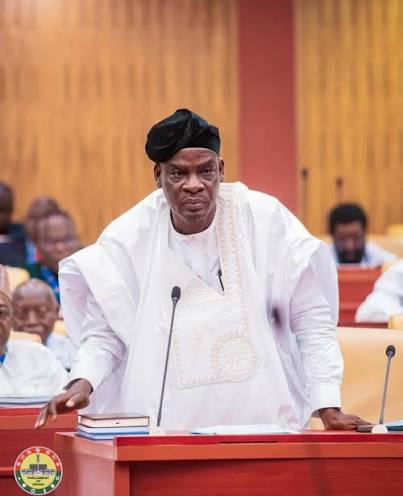
“Foundational learning is the gateway to every successful education system. When children acquire strong literacy and numeracy skills early, they are better prepared to thrive in school, adapt to emerging technologies, and contribute meaningfully to Ghana’s economic development.”
Hon. Haruna Iddrisu
He explained that this kind of data-driven approach allows government and its partners to direct interventions precisely where they are needed most, rather than distributing resources evenly across the system without regard to which schools are genuinely struggling to deliver quality learning outcomes.

Digital And Technical Skills Integration Highlighted
Beyond foundational literacy and numeracy, Hon. Iddrisu also highlighted government’s ongoing efforts to introduce digital and technical skills into the education system, including coding, robotics, electronics, and artificial intelligence, as part of a broader push to modernise the curriculum and better prepare students for an increasingly technology-driven world.
His remarks suggested that while foundational learning remains a top priority, government is simultaneously working to ensure that students are not left behind in acquiring the digital competencies increasingly demanded across various sectors of the economy.
Speaking at the same event, the World Bank’s Robert Taliercio O’Brien stressed that foundational skills are critical to Ghana’s broader jobs agenda, emphasising that expanding access to education must be matched by corresponding improvements in learning outcomes if the country hopes to build a workforce capable of driving economic growth.
His remarks reinforced a growing consensus among development partners that access alone is insufficient, and that meaningful progress in education must be measured by whether students are actually acquiring the skills and competencies needed to participate effectively in the labour market.
UK’s Sarch Describes Literacy As Gateway to Employment
Representing the UK Foreign, Commonwealth and Development Office (FCDO), Terri Sarch described foundational literacy and numeracy as the gateway to future learning and employment, underscoring the long-term implications of weak foundational skills on a student’s broader educational and career trajectory.
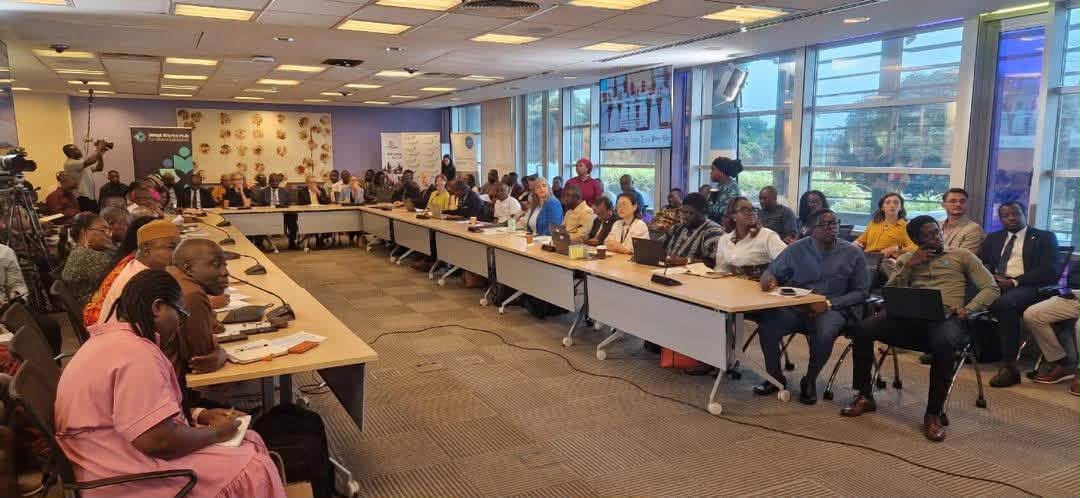
Her remarks echoed the broader theme of the event, reinforcing the idea that gaps in early literacy and numeracy acquisition can compound over time, ultimately limiting students’ ability to succeed at higher levels of education or transition effectively into the workforce.
Karen Shormeh Tei of the Jacobs Foundation and Skills Funders also addressed the gathering, highlighting the importance of partnerships and the Ghana Education Evidence and Data Lab in strengthening evidence-based education policy across the country.
Her contribution pointed to the value of collaboration between government, development partners, and philanthropic organisations in building the data infrastructure necessary to inform sound policy decisions, an approach that appears increasingly central to how Ghana’s education sector intends to identify and address gaps in learning outcomes going forward.
Coordinated Push Toward Evidence-Driven Education Reform
Taken together, the remarks from Hon. Iddrisu and the various development partners in attendance reflect a coordinated push toward embedding evidence and data more firmly into Ghana’s education policy framework.
From identifying low-performing schools through GALOP to expanding digital skills training and strengthening partnerships through initiatives like the Ghana Education Evidence and Data Lab, the discussions at the Accra event point to a broader strategy aimed at ensuring that increased investment in education translates into measurable improvements in what students learn.
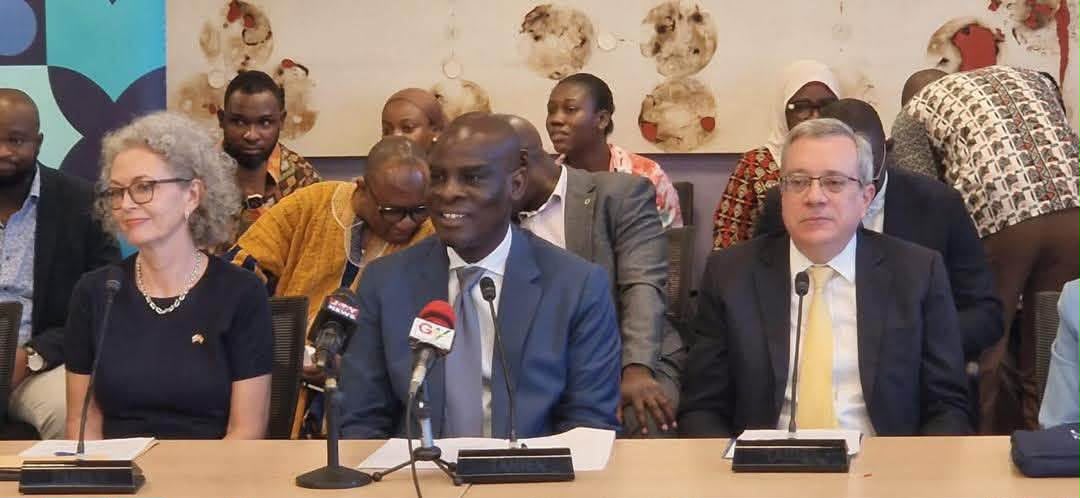
With foundational learning now positioned as a central priority within government’s education agenda, attention turns to how effectively initiatives like GALOP and the Ghana Education Evidence and Data Lab will be scaled to address the needs of underperforming schools nationwide.
As international partners continue to emphasise the link between foundational skills and long-term economic outcomes, the coming months are likely to reveal how well Ghana’s education sector translates this renewed evidence-based focus into tangible improvements in literacy, numeracy, and overall learning achievement for pupils across the country.
READ MORE: 10,700 Public Basic Schools Across 13 Regions Lack Classrooms