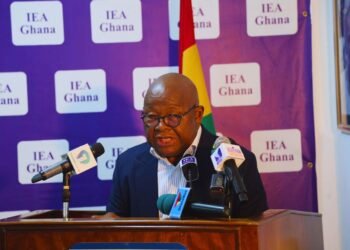
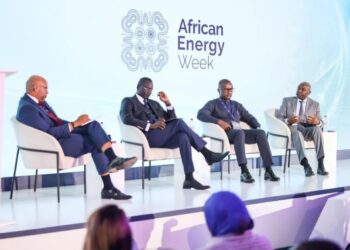
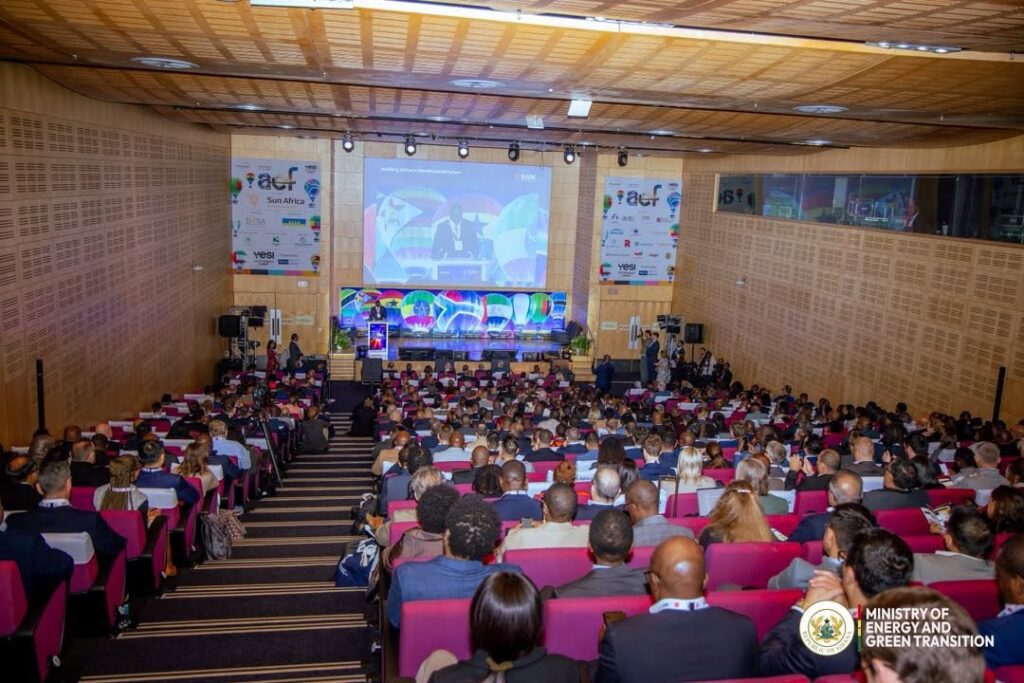
Hon. John Abdulai Jinapor, Minister of Energy and Green Transition, has arrived in South Africa to participate in the ongoing Africa Energy Forum (AEF) in Cape Town.
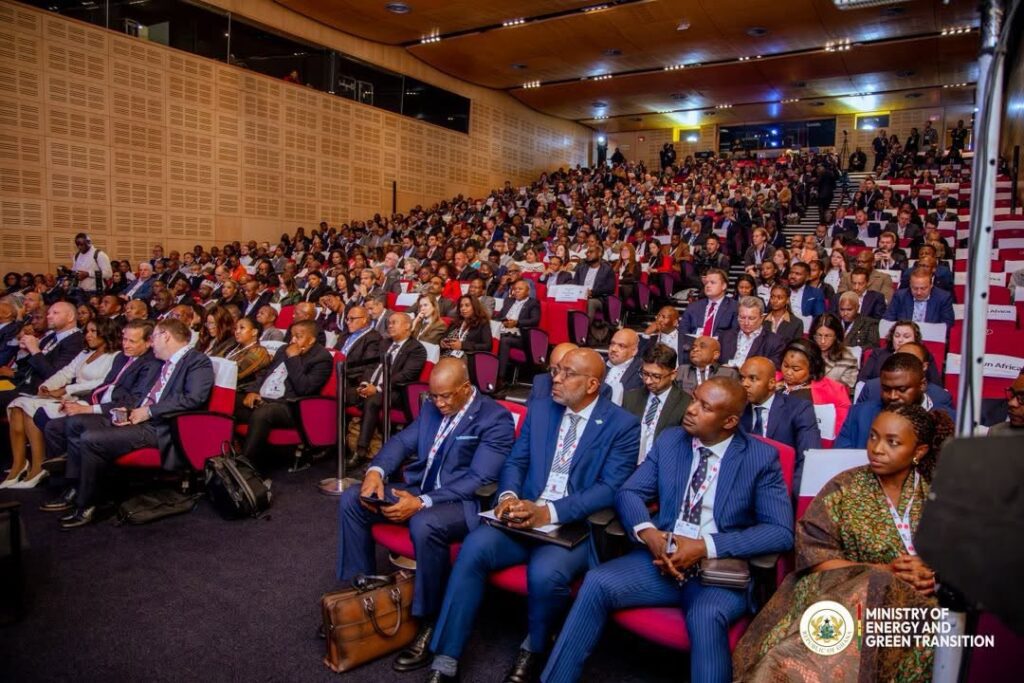
The high-level conference serves as a critical convergence point for global energy leaders, international financiers, regional policymakers, technology innovators, and sector ministers from across Africa and around the world.
As the continent aggressively pursues infrastructure modernization and sustainable transitions, the gathering functions as a primary platform to advance strategic investments and reshape continental energy policies.
“I am participating in the ongoing Africa Energy Forum (AEF), which brings together energy leaders, investors, policymakers, innovators, and ministers from across Africa and around the world to advance energy policies and investments that will help power the continent’s future.”
Hon. John Abdulai Jinapor, Minister of Energy and Green Transition
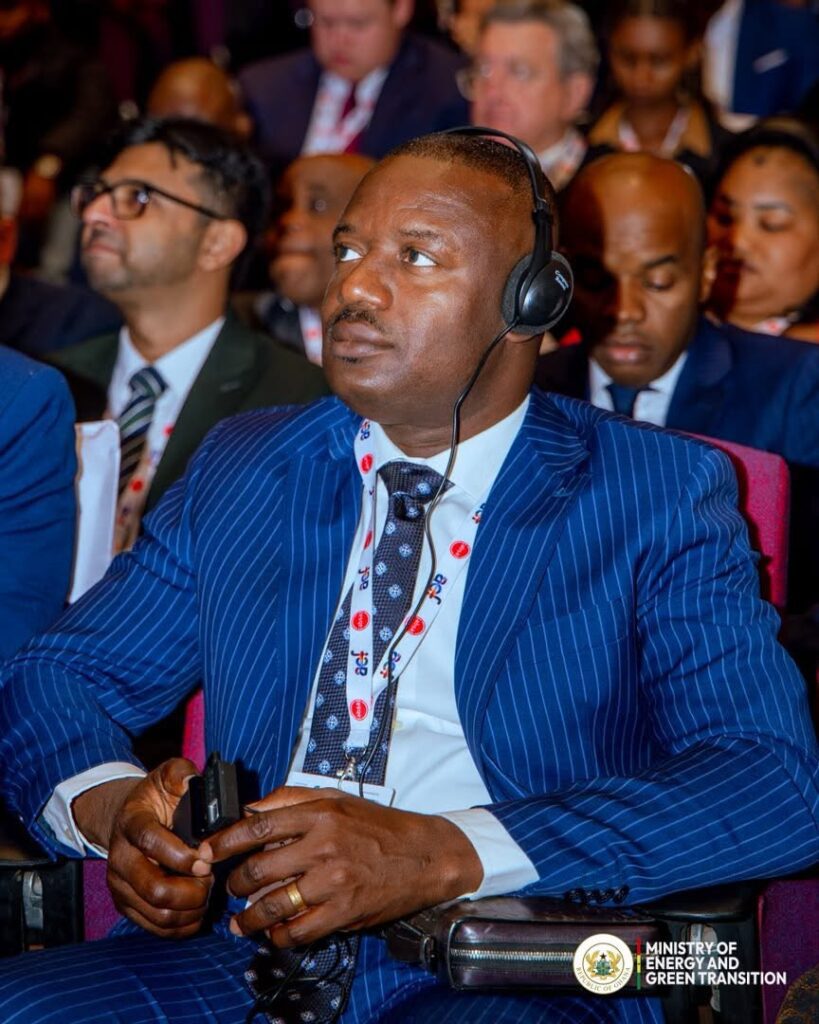
The premium multi-day forum focuses heavily on delivering pragmatic, diversified power solutions capable of supporting sustainable, long-term industrial growth across various sub-Saharan markets.
For the Ghanaian delegation, this cross-border engagement offers an essential opportunity to collaborate extensively with fellow ministers and senior government authorities representing diverse international jurisdictions.
By sharing local experiences, strengthening bilateral partnerships, and exploring actionable, real-world solutions, participants aim to collectively address Africa’s immediate energy infrastructure deficits while optimizing untapped resource opportunities.
Strategic Financing and Infrastructure Security
Ghana stands to gain significant advantages from these high-level discussions, particularly through enhanced access to international capital for massive state-backed generation and transmission projects.
The domestic energy sector requires substantial capital injection to support national programs like the ongoing rehabilitation of the Akosombo substation and the broader modernization of the national grid.
By interacting directly with global independent power producers and multi-lateral lenders, the Ministry can secure competitive financing structures that reduce dependency on the national budget while maintaining fiscal sustainability.
Furthermore, aligning with international investors at the forum can accelerate the deployment of cutting-edge grid-stabilization technologies across Ghana’s sub-stations.
The incorporation of advanced smart-grid systems, utility-scale battery storage solutions, and localized control mechanisms will directly mitigate transmission losses and prevent widespread outages.
Leveraging global technical expertise ensures that domestic infrastructure upgrades meet international resilience standards, effectively guaranteeing reliable, uninterrupted power delivery to both commercial hubs and residential consumers.
Accelerating the Green Transition and Regional Hub Status
The Cape Town deliberations provide a powerful catalyst for Ghana’s green transition initiatives, notably the “Mobilize Net-Zero II” program and the expansion of electric vehicle infrastructure.
Engaging with advanced technology innovators allows the country to acquire modern renewable energy solutions, including agrivoltaics and floating photovoltaic systems, which can complement existing hydro resources.
These diverse clean-tech options are critical for reducing the national carbon footprint while securely scaling up baseload generation capacity over the next decade.
Additionally, these strategic partnerships will heavily reinforce Ghana’s ongoing efforts to establish itself as a dominant petroleum and logistics hub within the West African sub-region.
Exposure to global standard practices and cross-border industrial designs gives the country a competitive edge in structuring major infrastructure initiatives, such as the flagship Petroleum Hub Development Corporation (PHDC) project.
Attracting premium, long-term investments into localized oil marketing facilities, modern refinery operations, and regional storage networks aligns perfectly with the state’s vision of becoming an export powerhouse.
Resource Governance and Policy Synchronization
Participating actively in the policy-focused segments of the forum empowers Ghana to harmonize its domestic mineral and energy regulations with evolving global standards.
As the state moves decisively toward the “Gold Shift” policy which targets 100% domestic refining of gold by 2030 insights from global resource governance models become highly valuable.
Learning from the legislative frameworks of other mineral-rich African nations helps policymakers’ structure equitable joint ventures, protect national interests, and maximize the domestic retention of natural resource revenues.
Ultimately, this comprehensive policy synchronization fosters a highly predictable, business-friendly regulatory environment that builds strong investor confidence.
Clear, transparent legal structures governing critical minerals like lithium and gold, alongside predictable pricing frameworks for crude oil and electricity markets, make Ghana an incredibly attractive destination for foreign direct investment.
By demonstrating a firm commitment to institutional transparency and regional market integration on a global stage, the country successfully positions itself to lead the continent’s broader industrial and economic transformation.
READ ALSO: Rúben Amorim To Lead AC Milan as Head Coach