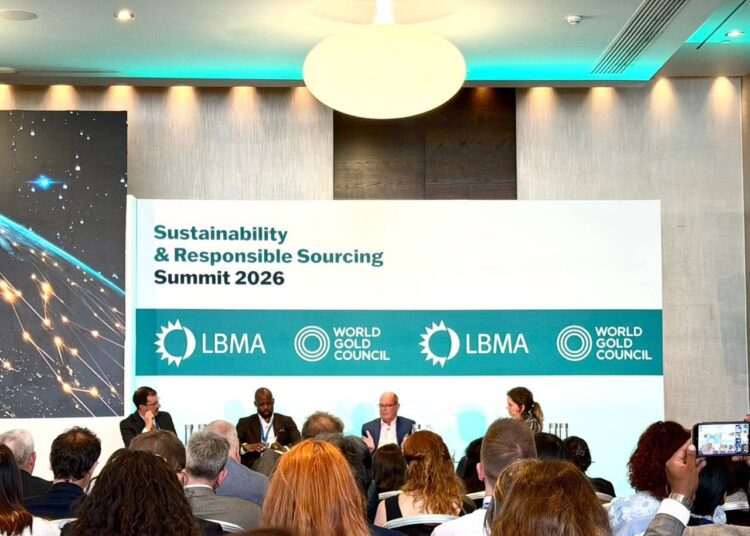
Ghana Gold Board (“GoldBod”) has successfully anchored pivotal international support for Ghana’s progressive artisanal and small-scale mining (ASM) formalisation, traceability, local value-addition, and responsible sourcing frameworks during the prestigious Sustainability & Responsible Sourcing Summit 2026.
Convened in London by the London Bullion Market Association (LBMA) and the World Gold Council, the high-profile conference served as the definitive platform for the West African nation to showcase its radical market overhauls.
In explicit recognition of the country’s surging prominence and systemic integration within the global precious metals value chain, the regulatory body received an exclusive invitation to participate in a closed-door, high-level Roundtable convened by the International Bullion Centres (IBC) Association.
This collaborative breakthrough signals a transformative milestone for the country, positioning its domestic mineral frameworks to gain robust institutional alignment with premier international standard-setters and sovereign bullion hubs.
“The LBMA also expressed strong support for the GoldBod’s traceability and ASM formalisation agenda, recognising these initiatives as critical to strengthening responsible sourcing and enhancing the integrity of Ghana’s gold supply chain. As part of this commitment, the LBMA pledged to work closely with the GoldBod in advancing internationally aligned traceability systems, responsible sourcing standards, and compliance frameworks for the artisanal and small-scale mining sector.”
Ghana Gold Board (“GoldBod”)
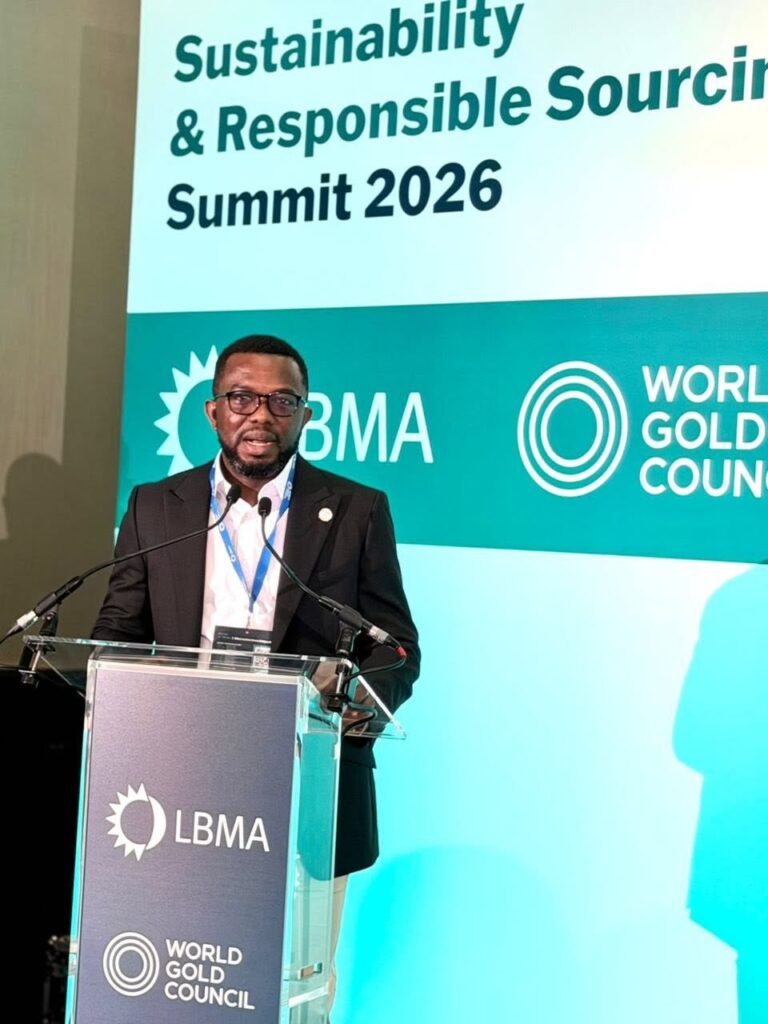
Delivering a comprehensive presentation to global market architects, Richard Nunekpeku, the Deputy CEO of GoldBod, walked international delegates through Ghana’s robust state regulatory model and the aggressive structural reforms currently being deployed to fortify local refining capabilities.
The institutional dialogue yielded immediate, tangible dividends as the LBMA formally recognized Ghana’s increasing strategic role in the global precious metals market and actively pledged to explore policy frameworks designed to accelerate broader international recognition of the country as a major market participant.
Crucially, the LBMA expressed absolute institutional support for GoldBod’s traceability and ASM formalisation agenda, acknowledging that establishing clean, trackable supply lines is vital to safeguarding the holistic integrity of Ghana’s gold exports.
To solidify this shared vision, the apex bullion authority committed to an active, cross-border partnership with GoldBod, vowing to co-develop internationally aligned verification standards, audit toolkits, and compliance infrastructures tailored specifically to seamlessly integrate artisanal miners into formal global supply chains.
Strengthening Institutional Trust and Market Integrity
Historically, Ghana’s artisanal gold sector which frequently accounts for over 35% of total national gold production has faced persistent vulnerabilities regarding illicit smuggling networks and environmental compliance.
By securing an explicit compliance partnership with the LBMA, GoldBod is effectively building a regulatory bridge that allows small-scale miners to bypass predatory informal middle-men and gain direct access to premium, transparent global bullion routes.

The LBMA’s pledge to co-develop practical compliance tools and industry best practices will dramatically lower the risk premium historically associated with Ghanaian artisanal gold.
This collaborative mechanism will deploy strict trace-and-track architectures, making the domestic supply chain highly auditable from the initial point of extraction to the final export terminus.
As international buyers place an unprecedented premium on strict Environmental, Social, and Governance (ESG) compliance, having an LBMA-backed provenance framework guarantees that Ghanaian gold can be traded without friction across Western and Asian financial capitals.
Boosting Local Refining Capacity and Direct Foreign Investment
A critical pillar of Ghana’s strategy highlighted at the London summit is the aggressive transition from exporting raw, unrefined dore to fostering robust local value-addition.
The international recognition secured by GoldBod will act as a major catalyst for direct foreign investment into sovereign downstream infrastructure, particularly local gold refineries seeking international certification.
Historically, the absence of an LBMA-accredited refinery within West Africa has forced producers to incur heavy logistics and discounting costs to refine their metals in foreign hubs like Switzerland or Dubai.

With the IBC Association and the LBMA actively exploring policy frameworks to formalize Ghana’s status as a major international trading hub, the country is uniquely positioned to become the downstream capital of the regional gold economy.
This institutional backing provides international banks and private equity firms the regulatory comfort needed to finance advanced local refining setups.
Over time, processing gold to a fineness of 99.99% locally will ensure that the state retains maximum economic rent, expands its domestic tax base, and creates high-skilled metallurgical employment opportunities.
Capitalizing on Sovereign Gold-for-Reserves and Macroeconomic Stability
The integration of a clean, fully traceable domestic gold supply chain directly enhances the macroeconomic resilience of the state by fortifying national monetary strategies.
In recent years, the Bank of Ghana has relied heavily on its domestic gold purchasing programmes to aggressively accumulate bullion reserves, creating a vital economic cushion against foreign exchange volatility and structural inflation.
By systematically formalising the ASM sector through GoldBod’s new internationally aligned standards, the central bank gains an unhindered, high-volume stream of ethically sourced, locally refined gold to reinforce its balance sheet.
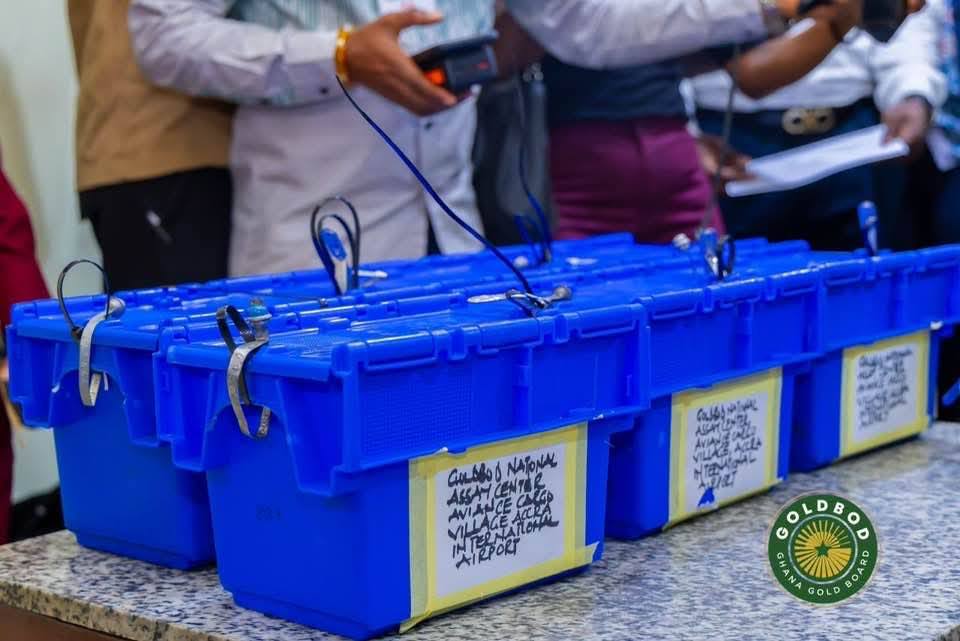
Furthermore, a fully authenticated, transparent gold trading framework mitigates systemic losses from illicit financial flows and untaxed smuggling, which have historically drained billions of dollars from the national exchequer.
By locking in global institutional backing, Ghana successfully transitions its extractives sector away from speculative, high-risk trading models into a mature, deeply integrated sovereign asset class.
This institutional triumph at the LBMA summit ultimately establishes a sustainable economic template, ensuring that the country’s premier mineral asset serves as a reliable anchor for long-term industrialization and national financial sovereignty.
READ ALSO: Total Of 312,448 Students Benefit From No Fee Stress Policy — Education Minister