Madam Victoria Awuni, Deputy CEO for Policy Planning, Mineral Titles, and Local Content at the Minerals Commission, presented Ghana’s local content and local participation model as a transformative framework for converting regulatory requirements into engines of industrial growth and national economic value.
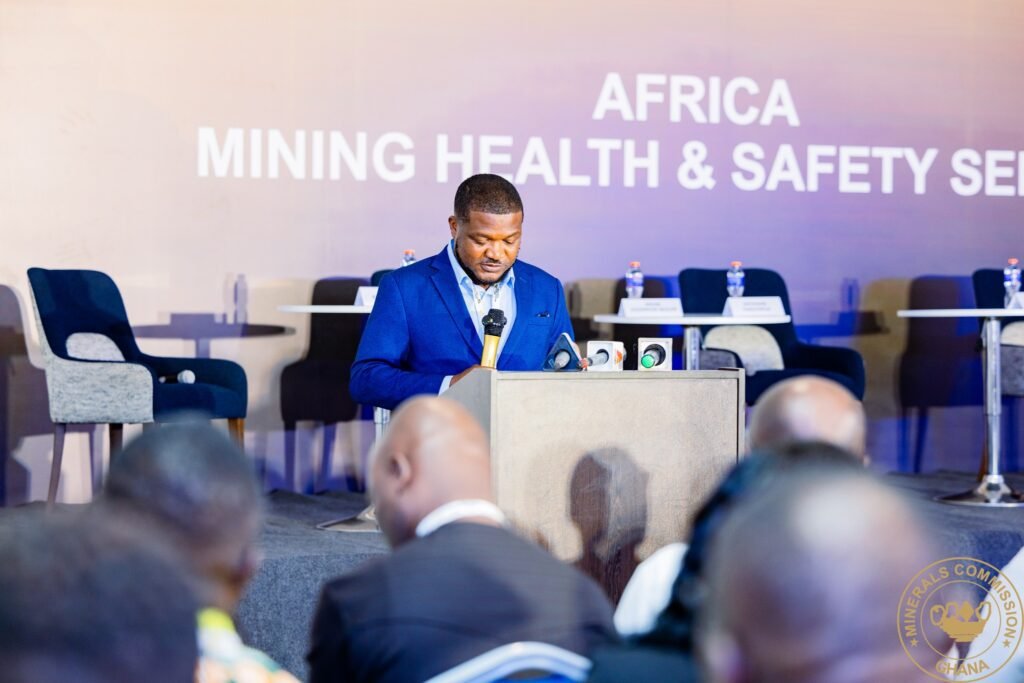
Speaking on Day 2 of the 5th Mining Local Content Compliance Forum (MLCCF 2026) in Mwanza, Tanzania, she outlined how statutory compliance can be harnessed to build domestic industrial strength.
The presentation brought West Africa’s primary gold producer into the spotlight as an exemplary case study in resource governance and supplier empowerment.
“Optimizing local content policy hinges on strong multi-stakeholder collaboration among governments, operators, and local businesses,” Madam Awuni affirmed during the session. She noted that the ultimate goal remains converting mineral wealth into long-term industrialization and lasting prosperity for the African continent.
Minerals Commission
Participating in a high-level panel discussion themed “Beyond Compliance: Transforming Local Content into Industrial Growth, Supplier Development, and Lasting Economic Impact,” Madam Awuni joined regulators, mining operators, and suppliers to explore strategies for leveraging mineral wealth to drive sustainable development.
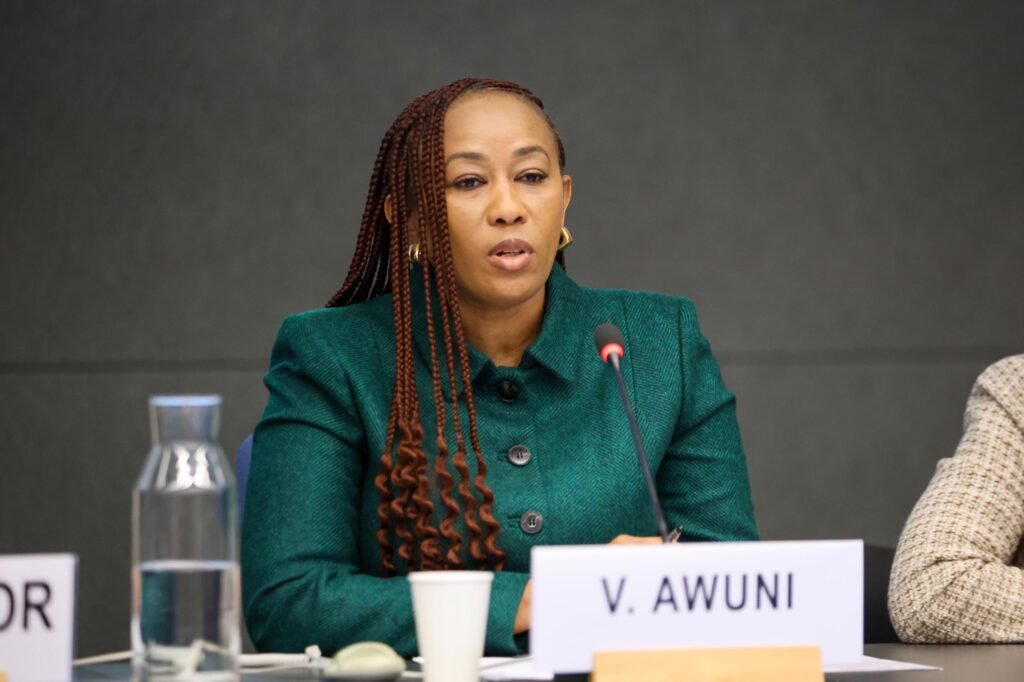
She emphasized that Ghana’s progress in local content implementation is anchored in robust legislation, sustained stakeholder collaboration, deliberate value-addition policies, and targeted incentives.
Furthermore, she highlighted Ghana’s 2030 policy framework, which seeks to ensure that mining operators contribute more directly to economic development by adding value to minerals prior to export.
Architectural Pillars of the Ghanaian Framework
Outlining the key drivers of Ghana’s model, Madam Awuni cited a strong legal framework that mandates local participation, continuous engagement between regulators and industry players, and policies that prioritize value addition.
In her delivery, she underscored the role of incentives, such as “tax reliefs and import duty concessions,” in enhancing competitiveness while encouraging local procurement.
Recognition and accountability mechanisms, including annual awards presented by the Ghana Chamber of Mines, further reinforce performance in local content delivery across the nation’s major mining concessions.
She noted that integrating domestic small and medium-sized enterprises (SMEs) into primary supply chains is critical for technology transfer, capital retention, and expanding opportunities for youth, vendors, and host communities.
Ultimately, Madam Awuni concluded by stressing that optimizing local content requires “balancing effective state regulation with industry competitiveness.”
Strategic Dividends for Ghana’s Extractive Sector
Through a broader analytical lens, the policy trajectory showcased at MLCCF 2026 offers profound structural benefits for Ghana’s domestic extractive sector.

By shifting the regulatory focus from basic statutory compliance to deep-tier supplier development, Ghana effectively curtails capital flight, ensuring that a significant portion of multi-million-dollar operational budgets remains anchored within the national economy.
Prioritizing in-country mineral processing and domestic procurement protects the local currency by reducing import reliance for mine consumables, while simultaneously insulating local vendors against global supply chain vulnerabilities.
Moreover, integrating domestic SMEs into core supply chains acts as a catalyst for advanced technological transfer and capacity building.
Local companies upgrading their technical standards to meet international mining specifications inherently build capacity that extends into infrastructure, manufacturing, and heavy industry.
This cross-sector spillover transforms host communities into self-sustaining industrial hubs, ensuring that once mineral deposits are eventually depleted, the surrounding economies retain durable infrastructure, a highly skilled workforce, and diversified commercial ecosystems.
READ ALSO: Ghana Resumes Evacuation of 1,000 Citizens From South Africa