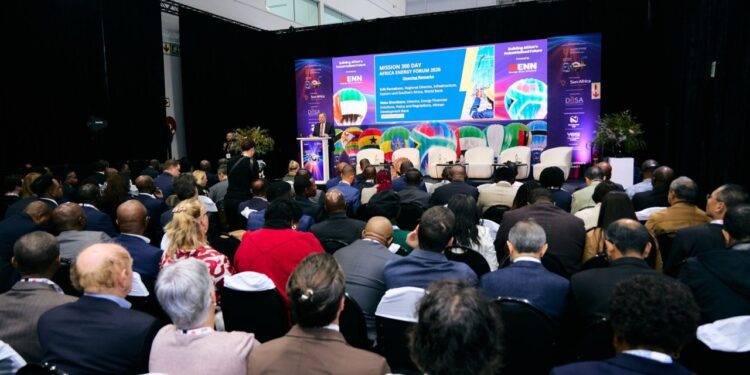
As delegates departed Cape Town following the 2026 Africa Energy Forum (AEF), one message appeared to stand above many of the discussions that shaped the continent’s premier energy gathering: Africa’s industrial ambitions will depend not only on generating more electricity but on building the infrastructure capable of delivering reliable power where it is needed most.
Government officials, utilities, investors, project developers and technology companies spent much of the forum discussing how Africa can finance the next phase of its energy transition. While renewable energy remained central to the conversation, increasing attention was paid to grid reliability, transmission networks and energy storage systems that can support industrialisation and attract long-term investment.
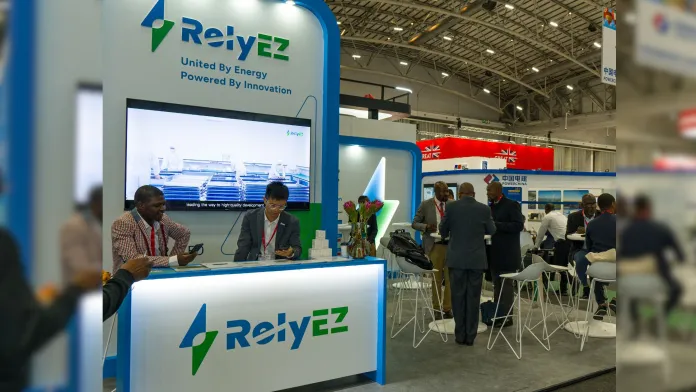
One company expanding on those discussions is global battery energy storage solutions provider RelyEZ, which argues that Africa’s biggest challenge is no longer electricity generation alone but creating resilient energy systems capable of powering manufacturing, mining, digital infrastructure and economic transformation.
Its analysis comes as African countries seek to convert abundant natural resources into industrial growth while positioning themselves as destinations for manufacturing, mineral processing and data centre investment.
Beyond electricity access
For years, Africa’s energy agenda focused largely on increasing electricity access for households and businesses.
That conversation is now evolving.
According to RelyEZ, governments are increasingly recognising that reliable electricity has become an economic necessity rather than simply a social service.
Industrial parks, factories, mines, telecommunications networks and emerging technologies such as artificial intelligence all depend on stable power supplies.
The company argues that many projects across Africa do not struggle because of insufficient investor interest, but because of unreliable grids, infrastructure constraints and uncertainty around long-term energy planning.
Energy storage takes centre stage
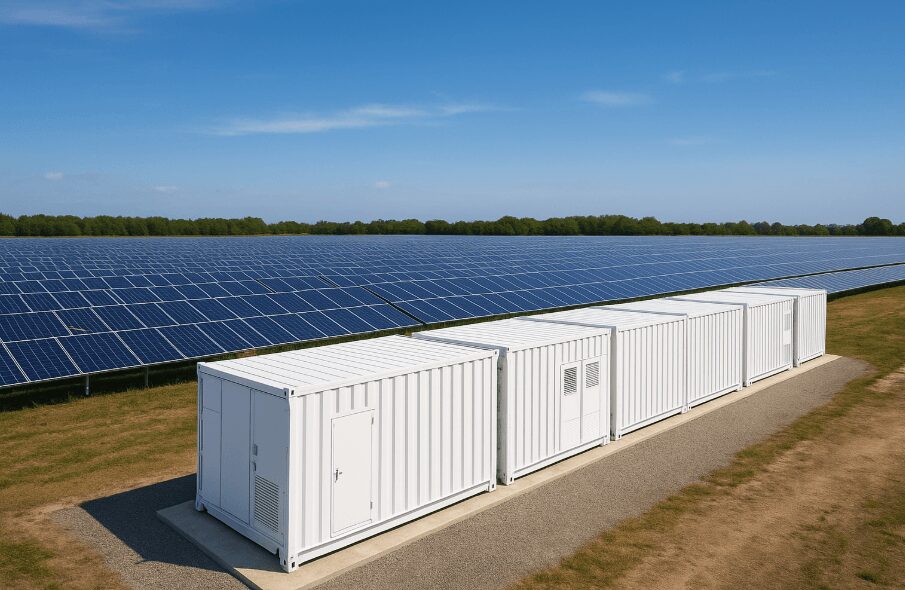
Among the technologies attracting greater attention is Battery Energy Storage Systems (BESS), which featured prominently in wider discussions around grid resilience during the Africa Energy Forum.
Traditionally viewed as technology that supports renewable energy, battery storage is increasingly being recognised as critical infrastructure capable of improving electricity reliability, strengthening grid stability and reducing investment risks.
RelyEZ argues that declining battery costs and improving technology are making storage projects more commercially attractive while helping utilities maximise renewable energy generation.
The message emerging from policymakers, investors, developers and industry leaders is clear: reliable energy infrastructure is no longer optional. It is the foundation upon which Africa’s next phase of industrial growth will be built.
RelyEZ
The company says energy storage is becoming increasingly important for industries that require uninterrupted electricity, including mining, manufacturing, industrial processing, telecommunications and data centres.
Rather than asking whether storage is necessary, it argues the focus should now be on accelerating deployment across African markets.
Projects already demonstrating results
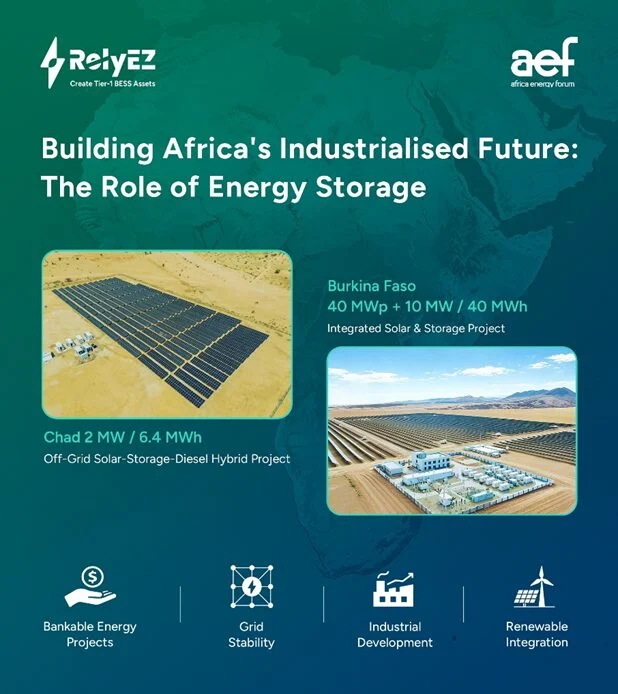
RelyEZ points to several projects that illustrate how battery storage is already strengthening electricity systems.
These include a 2MW/6.4MWh solar-storage-diesel microgrid in Chad designed to improve electricity reliability while reducing diesel consumption.
In Kenya, battery storage is supporting off-grid microgrid deployments that expand electricity access while integrating renewable energy.
Burkina Faso has also paired a 40MWp solar facility with a 40MWh battery energy storage system to improve grid resilience, while renewable energy projects incorporating storage continue to expand in Zimbabwe and Zambia.
The company also references one of the world’s largest standalone battery storage projects, a 500MW/2000MWh installation in Inner Mongolia, China, as evidence that utility-scale storage has matured into proven infrastructure capable of supporting modern electricity systems.
Investment increasingly follows certainty
Another theme emerging from the Africa Energy Forum was that capital remains available for well-structured energy projects.
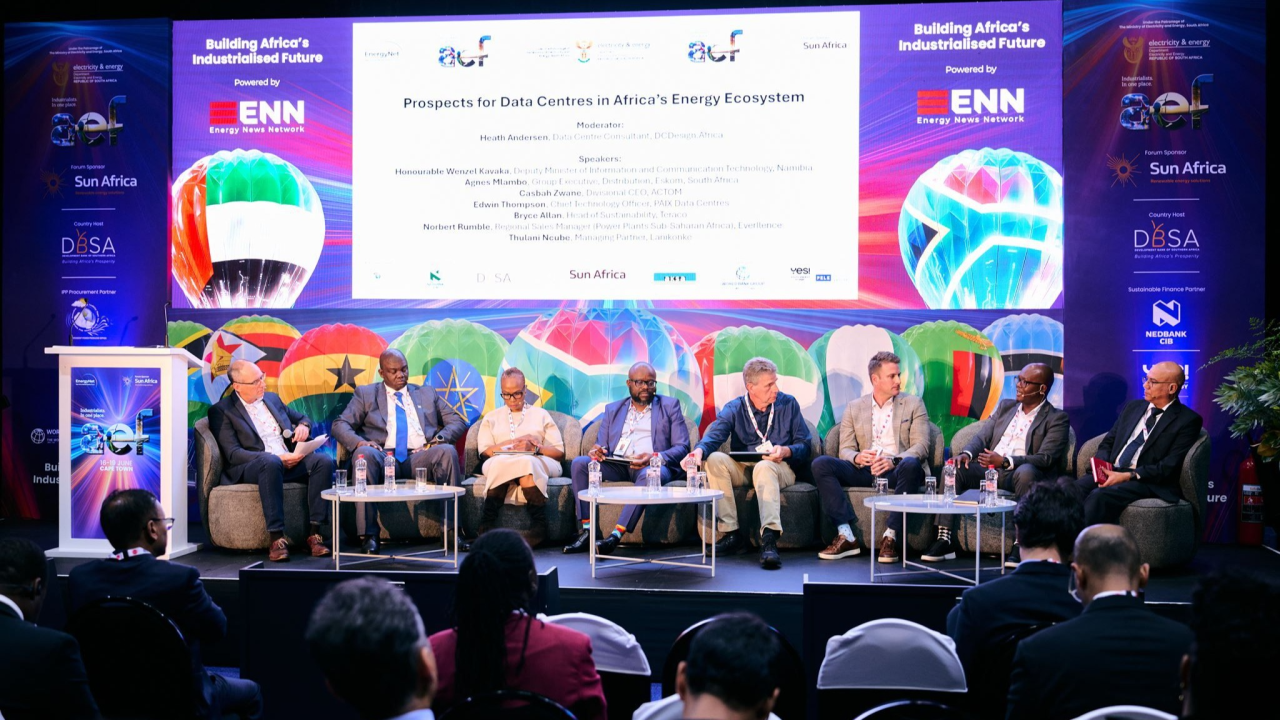
According to RelyEZ, investors are increasingly looking beyond generation capacity towards policy consistency, regulatory certainty and infrastructure capable of delivering predictable long-term performance.
The company argues that future projects will require integrated solutions covering engineering, project development, deployment, operations and long-term asset management rather than simply supplying equipment.
This reflects a broader shift in Africa’s energy sector, where the focus is moving from isolated projects towards building complete energy ecosystems that can support industrial growth.
What it means for Ghana
The discussion is particularly relevant for Ghana as government pursues renewable energy expansion alongside broader industrialisation objectives.
Recent initiatives including large-scale solar projects, grid modernisation programmes and renewable energy policy reforms—reflect many of the priorities discussed during the Africa Energy Forum.

Reliable electricity will become increasingly important as Ghana seeks to attract manufacturing, strengthen mining, support agribusiness and expand its digital economy.
Battery storage could also help integrate more renewable energy into the national grid while improving power reliability for businesses and consumers.
Infrastructure now the defining challenge
Africa possesses many of the fundamentals needed for industrial growth, including abundant renewable resources, critical minerals, expanding markets and growing investor interest.
According to RelyEZ, the missing piece is infrastructure capable of converting those advantages into sustained economic development.
The company says the technology already exists, financing interest remains strong and policy discussions are becoming increasingly aligned around industrial competitiveness.
The challenge now is translating those discussions into reliable electricity systems that can power Africa’s next phase of economic transformation.
As momentum from the Africa Energy Forum carries into project implementation, industry participants increasingly agree that the continent’s success will depend not simply on producing more electricity, but on building resilient infrastructure capable of delivering dependable power where industries, businesses and communities need it most.
READ ALSO: Government Revokes All Firearm Licenses Nationwide