

The Ministry of the Interior has revoked all existing firearm licenses across Ghana in a sweeping regulatory move aimed at strengthening gun control and addressing growing concerns over firearm misuse.
The directive, which takes immediate effect from June 23, 2026, was announced by Interior Minister Muntaka Mohammed Mubarak as part of a comprehensive overhaul of the country’s firearms licensing regime.
Under the new policy, all active individual and private firearm licenses have been declared invalid, requiring every gun owner to undergo a fresh application process before legally possessing a firearm.
The measure represents one of the most significant changes to Ghana’s firearms regulation framework in recent years and signals a new approach to monitoring civilian gun ownership.
According to the Interior Ministry, the decision is intended to address weaknesses in the existing licensing system and establish stricter safeguards to ensure that only qualified and responsible individuals are permitted to possess firearms.

Concerns Over Gun Misuse Prompt Action
The government’s decision follows a series of developments that have heightened concerns about firearm management and public safety. Authorities cited recent high-profile shooting incidents as one of the key factors behind the policy intervention.
The Ministry also pointed to findings contained in a report by the Auditor General, which revealed that hundreds of firearms were being held under expired licensing arrangements.
The report raised concerns about regulatory lapses and highlighted weaknesses in the monitoring and renewal processes that govern firearm ownership.
Officials believe these shortcomings created opportunities for unauthorized possession and reduced the ability of security agencies to effectively track legally registered weapons across the country.
The move also comes shortly after regulatory action was taken against several entities for alleged violations involving firearms and security operations.
Among the cases that attracted public attention was the suspension of Kantanka Security Services over breaches relating to firearm management and the use of security uniforms.
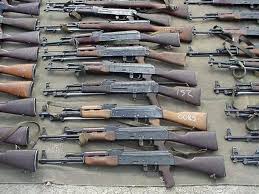
Government officials say the latest directive is intended to restore confidence in the licensing system while ensuring greater accountability among firearm holders.
New Licensing Regime Introduces Tougher Standards
As part of the regulatory overhaul, current and prospective firearm owners will be required to satisfy a number of new conditions before licenses are granted under the revised framework.
A key component of the new process is the introduction of mandatory mental health assessments. Applicants will be required to undergo psychological evaluations designed to determine their emotional and mental fitness to possess firearms responsibly.
In addition, all applicants must complete compulsory drug screening procedures. The toxicology tests are expected to identify substance abuse concerns that could potentially affect an individual’s suitability to own or operate a firearm.
Authorities believe these requirements will enhance public safety by ensuring that firearm ownership is restricted to individuals who meet clearly defined health and behavioral standards.
The revised framework also places significant emphasis on training and competency. Prospective gun owners will be required to complete structured firearms training programmes and obtain formal certification before licenses are issued.

Officials say the training requirement is intended to improve firearm handling, storage practices, and overall safety awareness among gun owners.
Digital Transformation of Firearms Records
Another major feature of the reform is the transition from manual record keeping to a centralized digital management system. The Ministry plans to digitize all firearms licensing records as part of efforts to improve monitoring, tracking, and regulatory enforcement.
Authorities expect the new system to provide real time information on permit status and automatically flag licenses approaching expiration.
The digitization process is expected to eliminate many of the administrative weaknesses associated with paper based record keeping while enabling security agencies to maintain more accurate and up to date information on firearm ownership nationwide.
Government officials argue that a modernized digital database will strengthen oversight and reduce the likelihood of weapons remaining in circulation under expired or invalid permits.
Shift Toward Tighter Gun Control
The nationwide revocation follows the conclusion of the state’s Gun Amnesty Programme, which was administered by the National Commission on Small Arms and Light Weapons. The programme encouraged individuals in possession of unauthorized weapons to voluntarily surrender them without facing prosecution.
The latest directive is a continuation of broader efforts to tighten controls on civilian firearm possession and improve the management of small arms within the country.
By requiring all firearm holders to reapply under a more rigorous regulatory structure, authorities hope to establish a cleaner and more reliable licensing database while reducing opportunities for abuse and unlawful possession.
The objective is not simply administrative reform but the creation of a more secure and accountable firearms environment that balances legitimate ownership rights with public safety concerns.

The Interior Ministry believes the new framework will help address long standing weaknesses in firearms regulation and provide security agencies with stronger tools to monitor compliance.
While the policy may require significant adjustments from current firearm owners, authorities insist that the measures are necessary to safeguard public security and improve regulatory standards.
With mandatory health assessments, drug testing, firearms training, and digital monitoring now forming the backbone of the new licensing regime, Ghana is entering a new phase of firearm regulation focused on accountability, transparency, and enhanced public safety.
READ ALSO: Ghana’s 6.4% Q1 Growth Hides Looming Moderation Risks