
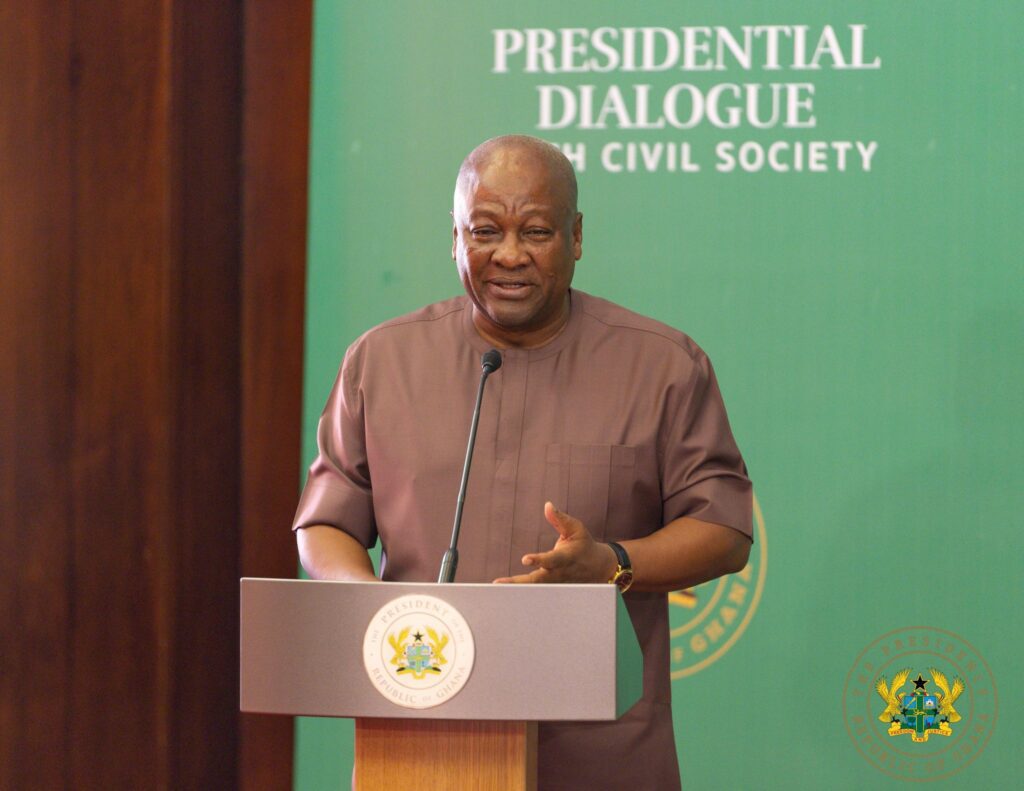
President of Ghana, H.E. John Dramani Mahama, has announced a historic pivot in the nation’s energy strategy, revealing that the country is set to commence its first-ever onshore oil drilling operations in the Voltaire Basin before the close of 2026.
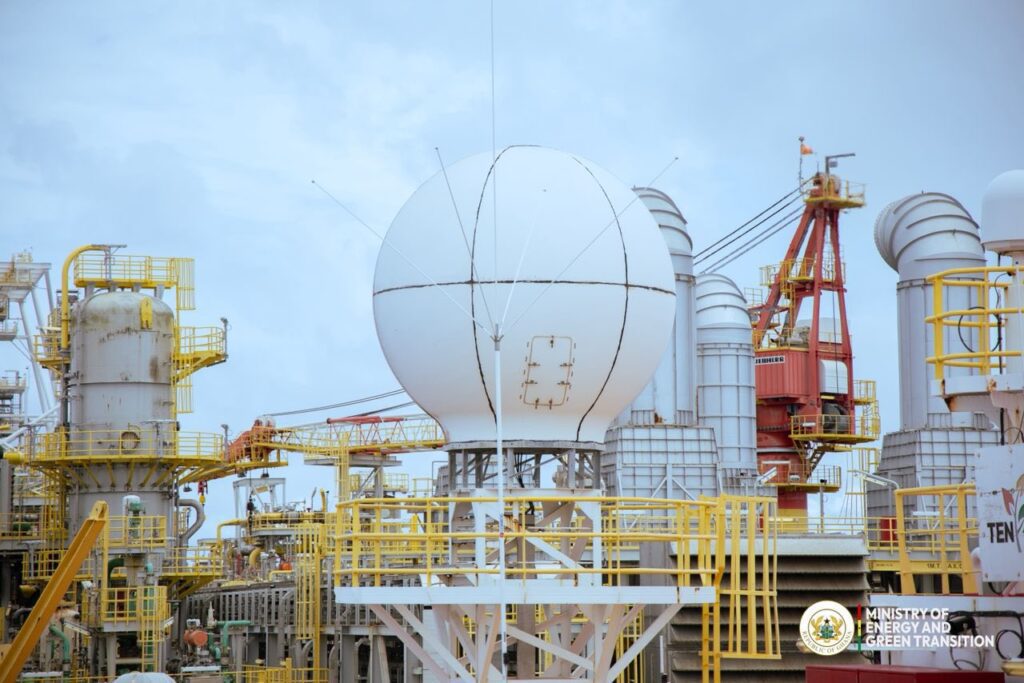
This monumental shift marks a critical transition for Ghana, which has historically relied entirely on deepwater offshore fields like Jubilee, TEN, and Sankofa for its hydrocarbon production.
By tapping into terrestrial reserves, the government aims to diversify its extraction mechanisms and unlock a wave of untapped crude potential hidden beneath the Ghanaian landmass.
“I’m also happy to report that Explorco, which is the operating arm of GNPC, is poised to begin onshore drilling in the Voltaire Basin before the end of this year. When I say onshore, it means on land, offshore. So far, all our discoveries have been offshore in the sea. We’ve discovered a lot of potential onshore.”
President of Ghana, H.E. John Dramani Mahama
Spearheading this milestone exploration agenda is Explorco, the specialized operating arm of the state-backed Ghana National Petroleum Corporation (GNPC).
Initial geological assessments have verified substantial hydrocarbon prospects inland, prompting the state to aggressively transition from theoretical mapping to active physical well deployment within the year.
This commercial expansion into the terrestrial landscape serves as a cornerstone of a broader macroeconomic strategy designed to optimize state resource ownership and minimize the steep operational complexities typically associated with oceanic drilling.
The Accra Reset and Value-Driven Industrialization
This upcoming drilling campaign is not an isolated energy project; rather, it is tightly anchored within a grander developmental architecture dubbed the “Accra Reset.”
According to the President, this transformative blueprint seeks to fundamentally restructure the foundational mechanics of the domestic economy, moving away from past paradigms.
For decades, Ghana has fallen victim to the classic economic trap of exporting unrefined commodities, leaving the state highly vulnerable to volatile global market shocks and diminishing returns.
The Accra Reset aims to permanently correct this systemic imbalance by ensuring that the country aggressively transitions into a hub that processes, refines, and manufactures finished products within its borders, thereby retaining the lion’s share of resource wealth locally.
“The future belongs to nations that move beyond the export of raw materials and embrace value addition,” Mahama declared, framing the onshore push as a vital catalyst for this structural overhaul.
By securing terrestrial fields, Ghana establishes a domestic feedstock independent of external maritime shocks, providing a dependable foundation for long-term national industrial policy.
Sentuo Refinery Expansion and the Economic Multiplier Effect
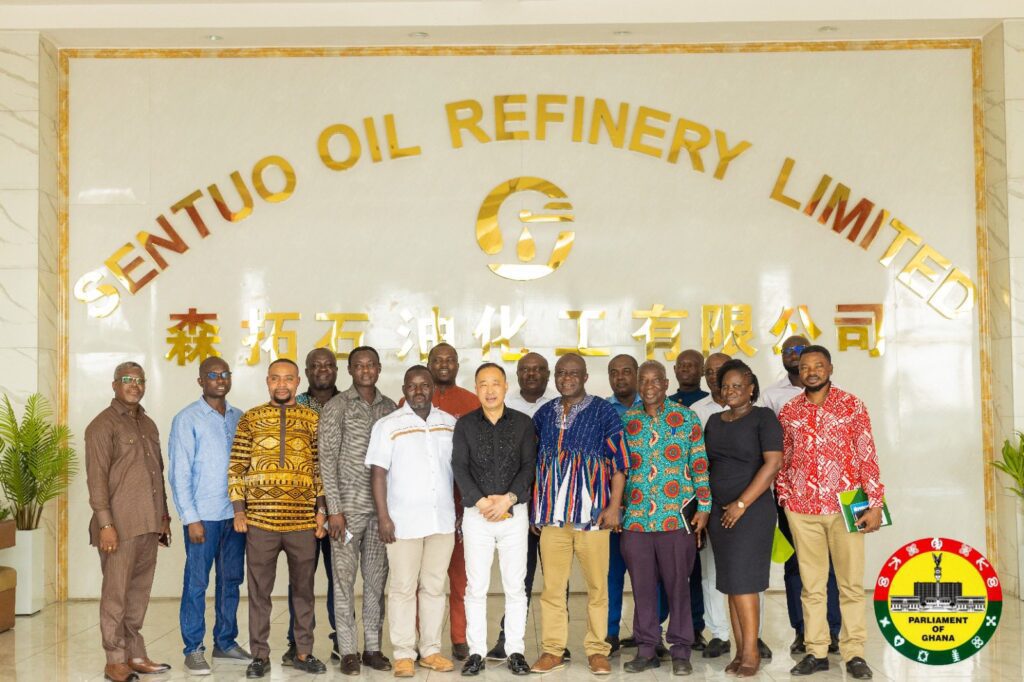
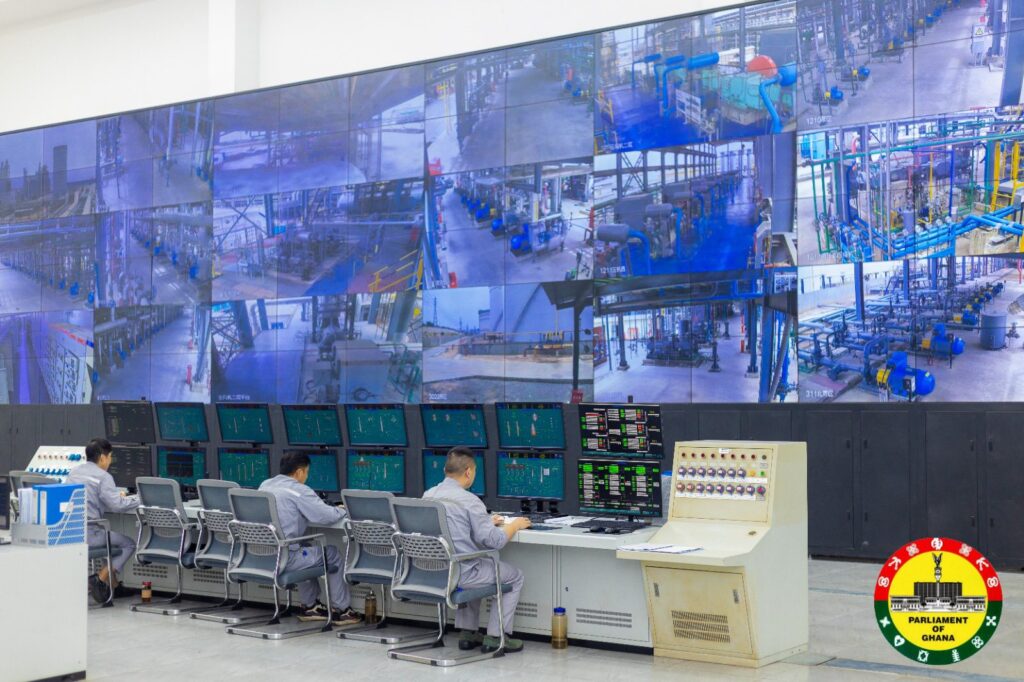
Central to achieving this resource sovereignty is the strategic expansion of the Sentuo Oil Refinery in Tema, whose phase two commissioning served as the definitive backdrop for the executive announcement.
President Mahama emphasized that downstream infrastructure like Sentuo creates a vital, symbiotic network with upstream extraction efforts, allowing onshore crude to be processed domestically rather than being shipped directly abroad as raw fuel.
This integrated energy value chain yields an expansive economic ecosystem, cascading lucrative opportunities down to domestic engineering firms, logistics companies, fabrication workshops, and technical service providers.
As the energy sector matures, the refinery acts as a structural anchor, guaranteeing a powerful economic multiplier effect that stimulates communal commerce and builds sustainable industrial capacity.
Beyond the immediate processing of hydrocarbons, this expansive network stimulates sustainable demand for localized technical expertise, structural maintenance, and advanced professional services.
This industrial deep-rooting effectively transforms the petroleum sector from an isolated extractive enclave into a dynamic engine of broad-based national economic growth.
Strategic Benefits and the Socioeconomic Windfalls of Terrestrial Extraction
From an operational, fiscal, and developmental standpoint, shifting toward onshore drilling within the Voltaire Basin introduces profound strategic advantages for Ghana’s economic ledger.
Terrestrial oil exploration features significantly lower capital expenditures and reduced operational risks compared to capital-intensive deepwater offshore alternatives, allowing GNPC to retain higher profit margins per barrel extracted.
Furthermore, onshore energy projects offer immediate, highly visible integration with host communities through direct localized job creation, infrastructural development, and targeted corporate social investments.
By securing a steady, terrestrial supply of crude to feed domestic refineries like Sentuo, Ghana effectively cushions its macroeconomy against severe foreign exchange pressures and drastically slashes its refined petroleum import bill.
Ultimately, this paradigm shift positions Ghana to build an energy sector that is productive, competitive, resilient, and globally relevant, fulfilling the long-awaited promise of genuine economic self-reliance for its citizens.
READ ALSO: Mahamacares Initiative Enrols 500 Nurses in Specialist Training