
The government is exploring renewable energy solutions for tertiary institutions as part of efforts to advance Ghana’s energy transition agenda and improve power reliability across critical public facilities.
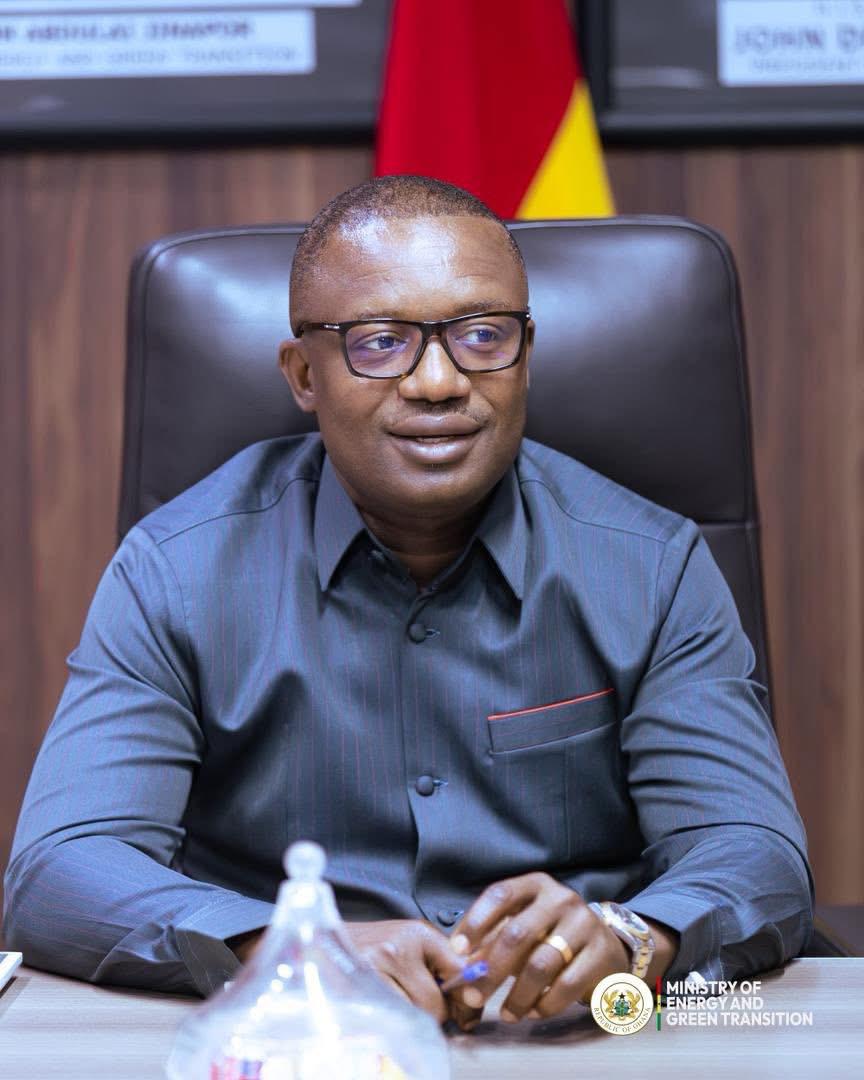
This follows discussions between the Minister for Energy and Green Transition, John Abdulai Jinapor, and the leadership of the University of Cape Coast (UCC) on sustainable energy options for the university.
According to the Minister, the meeting focused on identifying practical and cost-effective power solutions capable of supporting residential facilities and other essential operations within tertiary institutions.
As part of our green transition agenda, Government is prioritising the deployment of renewable energy solutions for critical installations, with conventional power serving as a reliable backup to ensure uninterrupted service delivery.
John Abdulai Jinapor, Minister for Energy and Green Transition
The engagement comes as Ghana seeks to expand the role of renewable energy in its electricity mix while improving energy security for institutions that rely heavily on uninterrupted power supply.
Universities are among the country’s largest public electricity consumers, with demand driven by lecture halls, laboratories, student residences, administrative facilities and growing digital infrastructure. Rising energy costs and occasional supply disruptions have increased interest in alternative power solutions, particularly solar energy systems that can reduce dependence on the national grid.
Focus on Critical Institutions
The Minister indicated that government is increasingly looking at renewable energy deployment for critical installations, suggesting that educational institutions could become a key part of the country’s broader clean energy strategy.

The discussions with UCC also reflect growing attention on how renewable energy can support teaching, learning and research activities while helping institutions manage operational costs.
Leading the university delegation was Vice Chancellor Professor Denis Worlanyo Aheto.
While details of any specific project were not disclosed, the meeting signals growing collaboration between government and educational institutions on energy sustainability initiatives.
Renewable Energy Expansion
The discussions come at a time when Ghana is pursuing several renewable energy projects aimed at increasing the contribution of clean energy to the country’s power generation mix.
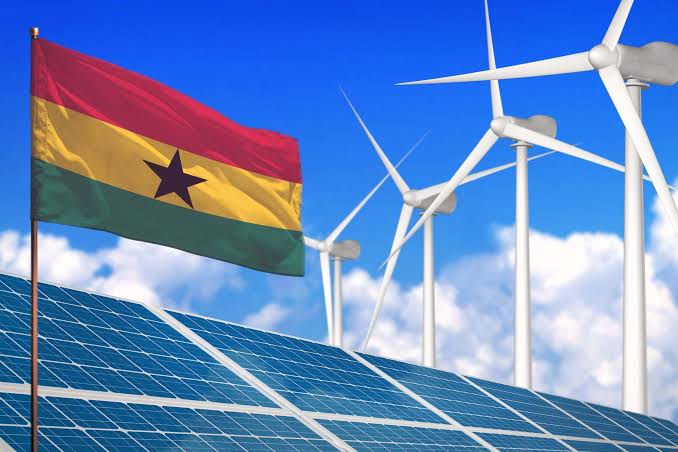
Recent initiatives include the development of large-scale solar projects and efforts to expand renewable energy infrastructure under the country’s energy transition framework.
The government has repeatedly argued that renewable energy investments can strengthen energy security, lower long-term electricity costs and support climate objectives without compromising reliability.
The approach outlined by the Energy Ministry would combine renewable energy systems with conventional electricity supply, creating a hybrid arrangement designed to maintain uninterrupted service delivery even when renewable generation is unavailable.
Implications for the Education Sector
For tertiary institutions, greater adoption of renewable energy could help address concerns about rising utility costs while improving power reliability for academic and research activities.
Reliable electricity has become increasingly important for universities as they expand digital learning platforms, research facilities, innovation hubs and data-intensive programmes.
Energy experts have also argued that educational institutions can serve as demonstration sites for renewable technologies, helping to build technical skills and support wider adoption across the economy.
The Minister linked the initiative to broader development goals within the education sector.
Together, we can build a greener and more sustainable future for Ghana’s educational sector; creating an enabling environment for teaching, learning, research, and innovation.
John Abdulai Jinapor, Minister for Energy and Green Transition
Energy Transition Beyond Power Generation
The UCC discussions highlight an emerging aspect of Ghana’s energy transition strategy: extending renewable energy deployment beyond power generation projects into public institutions and critical infrastructure.
Rather than focusing solely on adding renewable capacity to the national grid, policymakers are increasingly examining how clean energy solutions can be integrated directly into schools, universities, hospitals and other strategic facilities.
For Ghana’s universities, such investments could improve energy resilience while supporting the country’s long-term transition toward a cleaner and more sustainable energy system.
READ ALSO: 32 Districts Set For Upgrade —Local Government Minister