The Public Relations Officer for Ghana Private Road Transport Union, Samuel Amoah has disclosed that severe flooding in parts of Accra caused extensive damage to commercial vehicles, leaving many drivers stranded and disrupting transport operations. He stated that floodwaters entered major transport terminals and damaged dozens of vehicles that were actively in service.
Discussing the impact of the heavy rains, The Public Relations Officer indicated that the flooding affected major stations, particularly the Neoplan Station and Odawna. Mr Amoah explained that water levels rose beyond operational areas and reached administrative sections of some terminals.
He noted that although the floodwaters have receded, the mechanical damage remains substantial. Several vehicles, he said, developed gearbox faults while others suffered serious engine failures that may require full replacement.
“The situation is very bad. The floodwaters entered key stations and damaged many vehicles, with some requiring major engine replacements before they can return to service.”
Samuel Amoah
Addressing the scale of the destruction, Mr Amoah revealed that an initial assessment points to more than sixty affected vehicles. He added that the figure remains provisional as branch executives continue inspections across impacted stations.
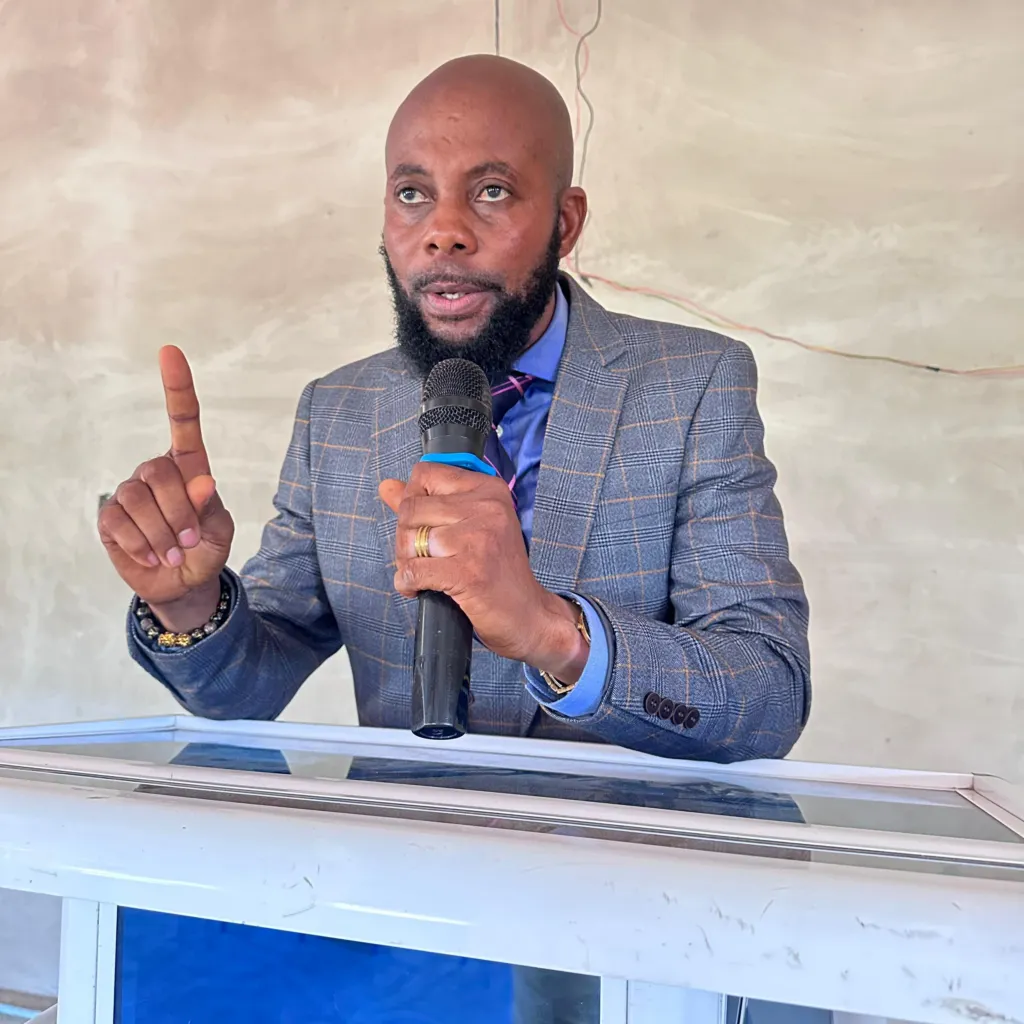
In further remarks, The Public Relations Officer explained that support for affected drivers is structured through the union’s welfare system. He stated that assistance begins at the branch level where members contribute daily welfare dues to support one another during emergencies.
Additionally, Mr Amoah outlined the internal structure of the union, noting that branches operate under regional supervision while regions report to the national leadership. He explained that this arrangement enables local executives to respond quickly when members face financial hardship.
The Odawna branch, he noted, is already working with station leaders to assess the needs of affected drivers. Consideration is being given to the extent of mechanical damage before financial support is allocated.
For drivers dealing with repairable faults, welfare funds may cover part of the repair costs. In cases involving complete engine failure, branch executives are expected to provide partial support to ease replacement expenses.
“Every branch has a welfare scheme built from members’ contributions. These funds help drivers recover during difficult periods and return to work gradually.”
Samuel Amoah
Mr Amoah emphasised that the union’s national office continues to monitor the intervention process. He added that the focus remains on ensuring every affected member receives meaningful support to resume operations.
The Public Relations Officer further urged transport operators to remain vigilant during heavy rains. He indicated that early precautionary measures at transport terminals could reduce future losses caused by flooding.
Commuter Pressure Rises As Vehicle Shortages Worsen
Addressing transport availability after the floods, The Public Relations Officer stated that the loss of active vehicles has intensified existing commuter challenges across major stations. He explained that shortages had already persisted before the floods and have now become more severe.
Mr Amoah noted that vehicles currently parked at workshops include both flood damaged cars and others with longstanding mechanical faults. Even so, he projected that many of the flood affected vehicles could return to service within one to two weeks after repairs.
Referencing peak hour congestion, the Public Relations Officer explained that mornings and evenings continue to place enormous pressure on available commercial vehicles, resulting in long passenger queues.
He also linked the shortage to deteriorating road conditions across parts of Accra. Poor road surfaces, he said, slow traffic movement and discourage some drivers from operating on heavily damaged routes during busy periods.
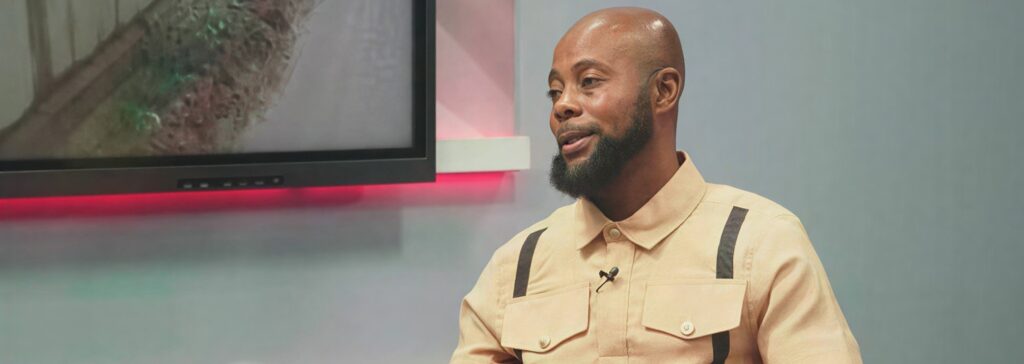
“During peak hours the pressure is intense. Long queues form at stations and many commuters struggle to find vehicles home.”
Samuel Amoah
Furthermore, Mr Amoah addressed public fears over arbitrary fare increases during the shortage. He clarified that authorised stations remain under strict supervision by union executives who monitor loading and fare compliance.
Accordingly, he explained that unauthorised fare hikes usually occur outside official terminals where independent operators and station boys gather passengers. These operators, he stated, often inflate fares without union approval.
Amoah recalled earlier engagements involving the Ministry of Transport, the Vice President, Metro Mass Transit and Aayalolo on expanding fleet capacity. He stated that private transport operators were informed that buses would be distributed to support public commuting. While reports indicated that Metro Mass imported about 100 buses, he observed that many commuters are yet to see those vehicles actively operating across the city.
The Public Relations Officer welcomed government intervention to ease pressure on commuters. He stated that private operators carrying the largest passenger load would benefit significantly from access to additional buses.
Moreover, Mr Amoah noted that timelines for deployment were never clearly communicated during stakeholder meetings. He said the first consignment reportedly arrived, though operational rollout is still unclear. He urged all stakeholders to move beyond discussions and accelerate solutions that improve daily transport for commuters.
READ ALSO: Banks Drive Massive GH¢148 Billion Surge in Secured Lending