Zimbabwe has restored electricity to most parts of the country after a nationwide power outage plunged homes, businesses and public institutions into darkness, with engineers continuing efforts to fully reconnect sections of the capital, Harare, following a major fault that triggered the collapse of the national electricity grid.
The blackout disrupted power supplies across the southern African nation and once again highlighted the fragility of Zimbabwe’s electricity infrastructure, which has struggled for years with ageing equipment, limited generation capacity and increasing demand.
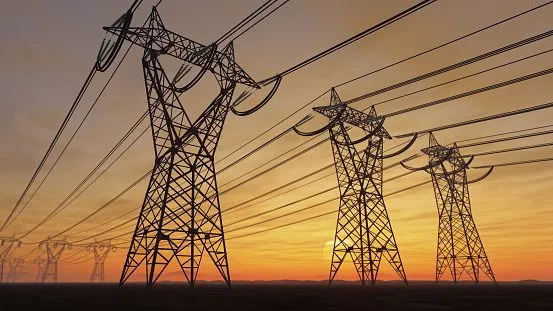
According to the Zimbabwe Electricity Supply Authority (ZESA), the outage was caused by a significant fault on the Warren–Alaska 330-kilovolt transmission line, a critical section of the country’s electricity network that links Zimbabwe with regional power systems.
The failure disrupted electricity interconnections with neighbouring utilities and triggered voltage instability across the national grid. As system frequency dropped, local power generation units automatically shut down to protect equipment, resulting in the collapse of electricity supply nationwide.
Despite the scale of the disruption, engineers managed to restore power to much of the country within a few hours by drawing electricity from multiple domestic and regional sources.
“We are pleased to advise that by 2200 hours, power had been successfully restored to most of our bulk supply points across the country.”
Zimbabwe Electricity Supply Authority
The utility explained that electricity was restored using supplies from South Africa’s Eskom, the Kariba Hydropower Station, Mozambique’s Hydro Cahora Bassa and three generating units at the Hwange Power Station.
At a time when electricity shortages continue to limit economic activity and impact millions of families, the most recent blackout has rekindled worries about Zimbabwe’s power network’s resiliency.
Despite efforts to boost domestic generation capacity, Zimbabwe’s energy problems have continued for years. Despite the nation’s substantial mineral wealth and industrial potential, one of the key barriers to investment and economic development has continued to be an insufficient supply of energy.
The country relies primarily on two major sources of electricity: the coal-fired Hwange Power Station in the northwest and the Kariba Hydropower Station on the Zambezi River. Both have faced operational challenges in recent years.
Due to decreasing water levels brought on by insufficient rainfall and protracted droughts in southern Africa, Kariba, which has historically provided a sizable portion of Zimbabwe’s energy, has frequently cut output. Weather patterns in the area have become more unpredictable, and climate-related stresses are making hydropower production even more difficult.
The largest thermal power plant in the nation is less reliable as a result of Hwange’s ongoing technical issues and maintenance difficulties brought on by aged generation equipment.
Many Zimbabweans now experience regular load shedding and recurrent power outages on a daily basis as a result of these variables working together.
Grid Stabilised Through Regional Cooperation as Energy Risks Linger
The swift restoration of electricity following the nationwide blackout was made possible largely through regional cooperation within southern Africa’s interconnected power network.
ZESA confirmed that imported electricity from South Africa’s Eskom played an important role in stabilising the national grid after the transmission fault caused widespread outages.
Additional support came from Hydro Cahora Bassa in Mozambique, alongside domestic generation from Kariba and operating units at Hwange.
The event highlights regional electrical interconnections’ advantages as well as their drawbacks. Zimbabwe’s long-term energy security is still largely dependent on bolstering its own generation and transmission infrastructure, even though nearby utilities can offer emergency assistance during unforeseen breakdowns.
While fixing the damaged equipment at the Warren substation, technical personnel have been working to restore the remaining units at Hwange. Before full operations can restart, the sensitive process of synchronising generating units with the national grid necessitates careful voltage and frequency balancing to assure system stability.
Although ZESA has not indicated how long repairs at the Warren substation will take, officials stated that work is progressing to fully restore electricity to affected parts of Harare.
The blackout also serves as another reminder of the broader pressures facing electricity systems across southern Africa. Growing demand for power, ageing infrastructure, climate-induced reductions in hydropower generation and rising maintenance costs have increased the risk of supply disruptions in several countries across the region.
For Zimbabwe, these challenges are compounded by financial constraints that have limited investment in new infrastructure and complicated efforts to secure consistent electricity imports. The country’s foreign currency shortages have periodically affected its ability to settle payments with regional power suppliers, reducing available imports during periods of peak demand.
Energy analysts argue that modernising Zimbabwe’s transmission network, expanding renewable energy projects and improving maintenance of existing power stations will be essential if the country is to reduce the frequency of nationwide outages.
READ ALSO: Stephen Appiah Set to Grace 5th Edition of the All Star Festival