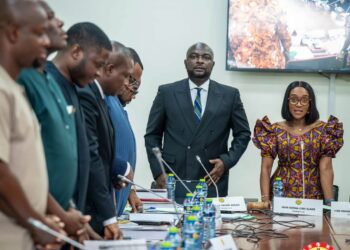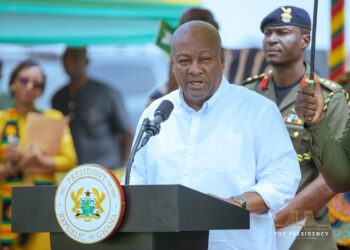

Ghana’s drive to achieve universal electricity access has entered another significant phase with the launch of the Rural Electrification and Intensification Programme (REIP) under the government’s flagship BIG PUSH agenda, a project expected to connect 159 previously unelectrified communities in the Savannah Region to the national grid by the end of 2026.
The initiative, officially launched at the Jakpa Palace in Damango, underscores government’s renewed commitment to expanding electricity access as a catalyst for economic transformation, industrial development and improved living standards.
Eight communities within the West Gonja Municipality were simultaneously connected to the national grid during the launch, marking the first tangible milestone under the programme.
Beyond increasing electricity coverage, the project reflects a broader policy shift that increasingly views energy infrastructure as an essential driver of inclusive development rather than simply a social service.
By extending the national grid to underserved communities, government hopes to unlock productive economic activities, improve access to healthcare and education, stimulate local enterprises and narrow the development gap between urban and rural Ghana.
Representing the Minister for Energy and Green Transition, Dr. John Abdulai Jinapor, at the ceremony, Deputy Minister Richard Gyan-Mensah described the programme as a demonstration of government’s determination to ensure that no community is left behind in Ghana’s development agenda.
The Rural Electrification and Intensification Programme will connect 159 unelectrified communities in the Savannah Region to the national grid by the end of 2026.
Deputy Minister for Energy and Green Transition, Richard Gyan-Mensah
Eight Communities Connected
The official commissioning of electricity in eight communities within the West Gonja Municipality provided residents with immediate access to grid electricity while signalling the beginning of broader implementation across the region.
The project forms part of the government’s wider BIG PUSH infrastructure programme, which seeks to accelerate investments in strategic sectors including energy, transport and industrial infrastructure to support long-term economic growth.
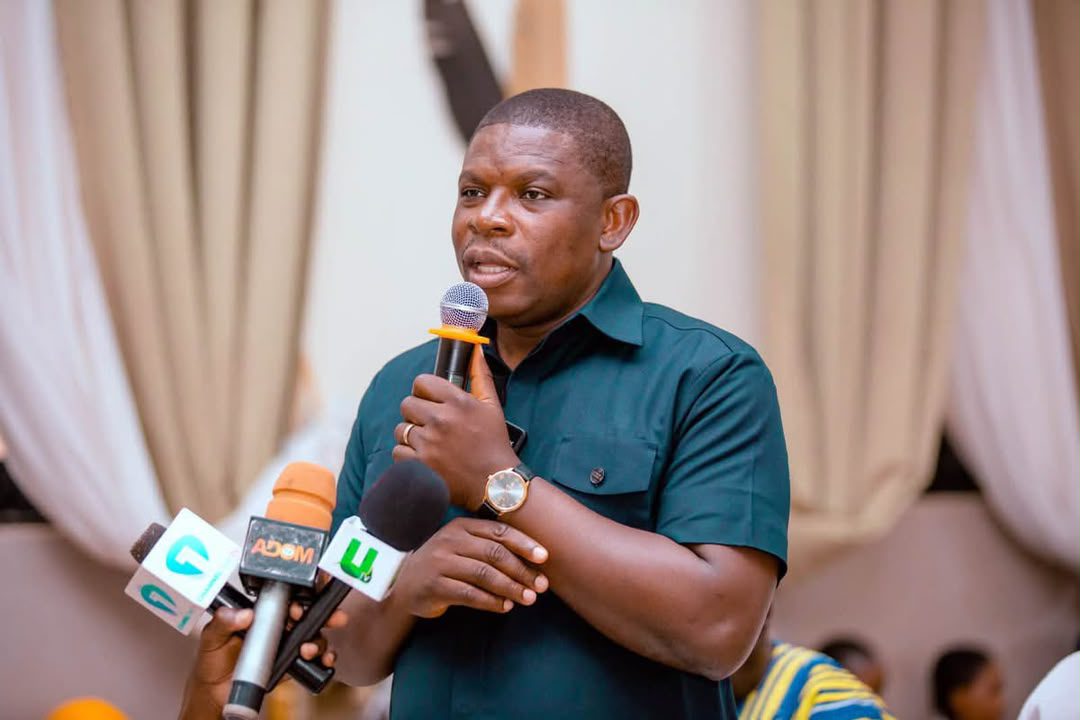
Speaking after the launch, Mr. Gyan-Mensah reaffirmed government’s commitment to extending reliable and affordable electricity to every part of the country.
Government remains committed to delivering reliable and affordable electricity to every community.
Deputy Minister Richard Gyan-Mensah
The event was attended by traditional authorities, local government officials, Members of Parliament, executives of the governing National Democratic Congress (NDC), management of the Northern Electricity Distribution Company (NEDCo) and other stakeholders involved in electricity distribution across northern Ghana.
Traditional Authorities Welcome Initiative
The launch also highlighted the growing role of traditional authorities in supporting infrastructure development within their jurisdictions.
The Yagbonwura, Bii-Kunuto Jewu Soale, welcomed the initiative and commended government for prioritising electricity expansion across communities within the Savannah Region.
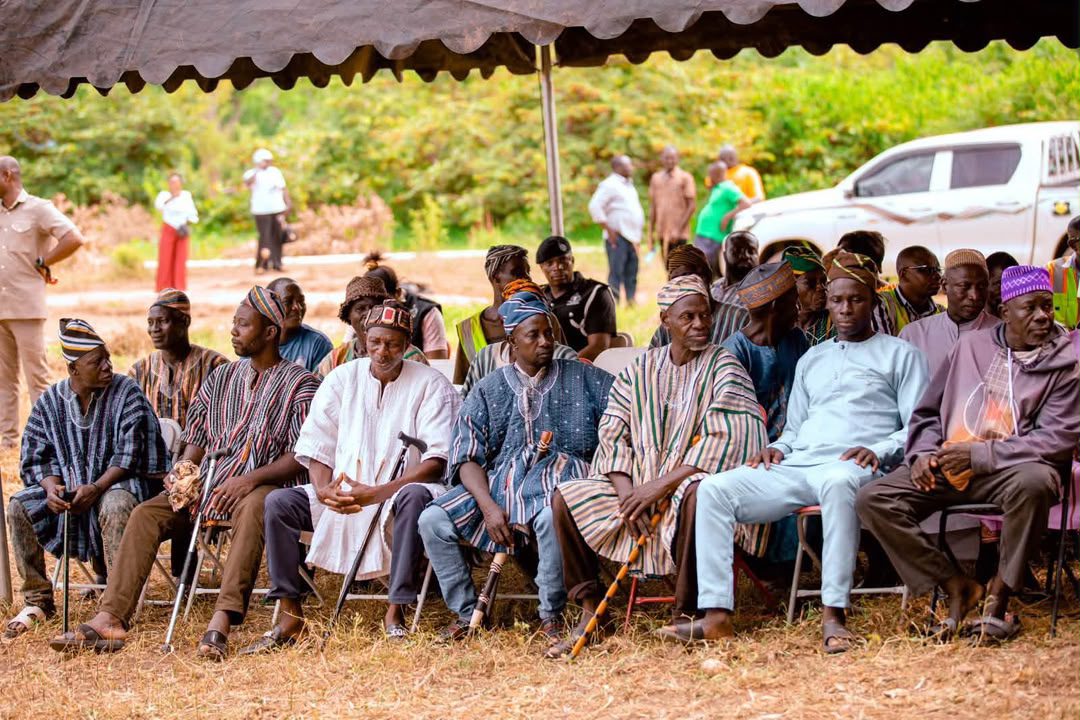
Mr. Gyan-Mensah expressed appreciation for the warm reception accorded to the government delegation, noting that the traditional ruler’s endorsement reflected the importance local communities attach to reliable electricity supply.
The Deputy Minister further acknowledged the contributions of regional and district authorities, NEDCo officials and community stakeholders whose collaboration facilitated the implementation of the project.
Electricity Beyond Household Consumption
Although rural electrification is often measured by the number of communities connected, its significance extends far beyond household lighting.
Access to electricity fundamentally alters the economic prospects of rural communities.
Reliable power enables agro-processing businesses to preserve agricultural produce, supports cold storage facilities for fisheries and livestock, improves irrigation systems and provides opportunities for small-scale manufacturing.
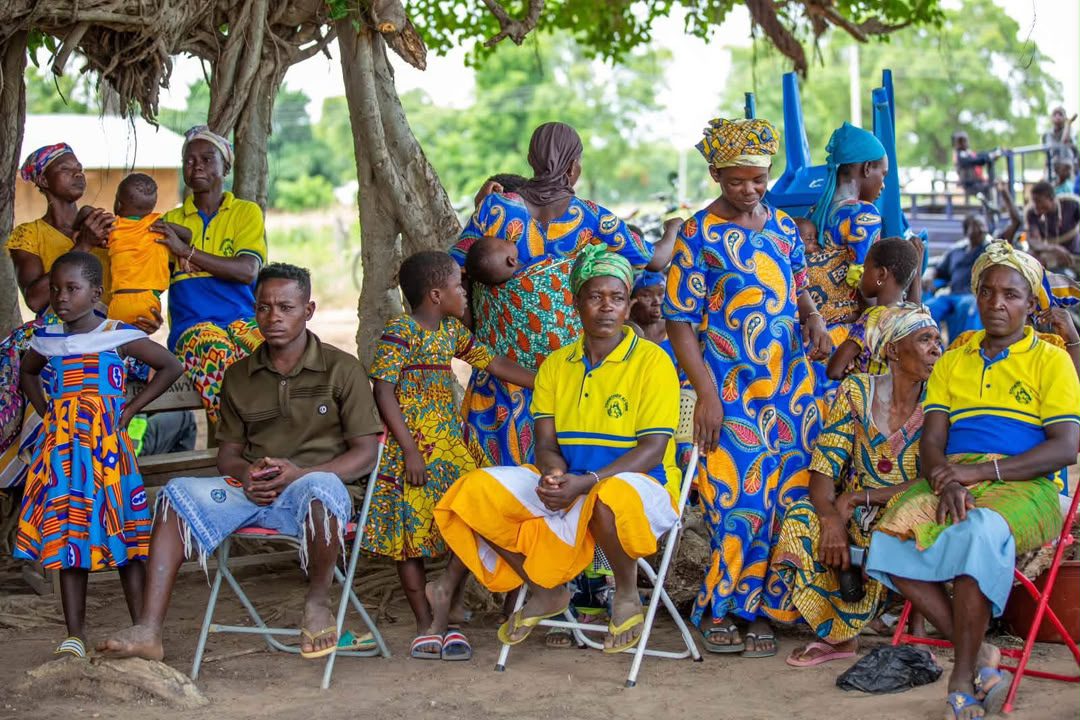
Educational institutions benefit from improved learning environments, while health facilities gain the capacity to refrigerate vaccines, operate diagnostic equipment and provide emergency healthcare services beyond daylight hours.
For communities in northern Ghana, where agriculture remains the dominant economic activity, electricity also creates opportunities for value addition, reducing post-harvest losses and supporting local entrepreneurship.
In that regard, the REIP represents more than an infrastructure project; it is an investment in rural productivity and economic resilience.
Supporting Ghana’s Industrial Ambitions
The launch comes at a time when government is increasingly positioning energy infrastructure as a central pillar of its broader economic transformation agenda.
Recent policy initiatives, including the 24-Hour Economy Programme, expanded renewable energy deployment and increased investment in transmission infrastructure, all point towards a strategy that views reliable electricity as the foundation upon which industrial growth and private sector expansion depend.
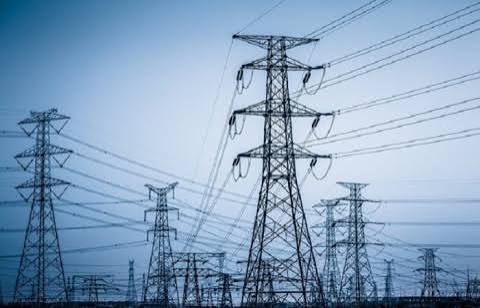
Expanding electricity access into previously underserved communities also broadens the country’s future economic base.
Communities connected today become tomorrow’s centres of commerce, agro-processing, digital services and local manufacturing.
From an energy planning perspective, rural electrification therefore contributes not only to social development but also to expanding electricity demand, improving the commercial viability of distribution networks and supporting long-term economic diversification.
Closing the Access Gap
Ghana has made considerable progress in electricity access over the past two decades, consistently recording one of the highest electrification rates in sub-Saharan Africa.
Yet disparities remain, particularly across remote rural communities where extending the national grid often involves high infrastructure costs relative to population density.
Projects such as the REIP seek to close those remaining gaps while ensuring that national development is geographically balanced.

However, successful rural electrification extends beyond constructing distribution lines.
The long-term success of newly electrified communities will depend on maintaining reliable supply, strengthening distribution infrastructure, reducing technical losses and ensuring electricity remains affordable for households and productive users alike.
Equally important is encouraging productive electricity use so that communities generate economic returns capable of sustaining demand and improving local livelihoods.
Without complementary investments in agriculture, enterprise development and social infrastructure, the developmental impact of electrification risks falling short of its full potential.
Energy as a Development Strategy
The launch of the Rural Electrification and Intensification Programme illustrates how Ghana’s energy policy is increasingly evolving from simply expanding access towards using electricity as a strategic instrument for national development.
As government continues implementing the BIG PUSH agenda, projects that connect rural communities to the national grid are likely to become increasingly important in supporting inclusive growth, reducing regional inequalities and creating opportunities beyond Ghana’s urban centres.

The challenge now lies not merely in delivering electricity infrastructure, but in ensuring that every new connection translates into improved productivity, stronger local economies and better living standards.
If successfully implemented, the REIP could demonstrate that rural electrification is no longer simply about extending power lines, it is about extending economic opportunity, strengthening resilience and laying the foundation for sustainable national development.