
The Africa Sustainable Energy Centre (ASEC) has urged government to ensure that efforts to strengthen Ghana’s energy security do not come at the expense of the country’s long-term clean energy ambitions, saying the 2026 Mid-Year Budget Review places considerably greater emphasis on conventional energy infrastructure than on renewable energy development.
While the policy think tank welcomed government’s commitment to expanding electricity generation, domestic gas processing and household energy access, it argued that future budgets should demonstrate a clearer balance between investments that address today’s energy needs and those required for Ghana’s transition to a lower-carbon economy.
According to ASEC, the budget contains several interventions capable of strengthening energy security and supporting economic growth. However, the organisation believes a number of the proposals require broader stakeholder engagement and stronger alignment with Ghana’s climate commitments.
In a statement, ASEC said future energy investments should be guided by four key principles, energy security, affordability, sustainability and resilience.
Energy security and the green transition should advance together, not compete with one another.
ASEC stated in its assessment
Renewable energy needs greater attention
Although government has proposed developing a 1,200-megawatt thermal power plant to meet growing electricity demand, ASEC believes expanding thermal generation alone will make it increasingly difficult for Ghana to achieve its target of obtaining 10 per cent of electricity generation from renewable energy by 2030.
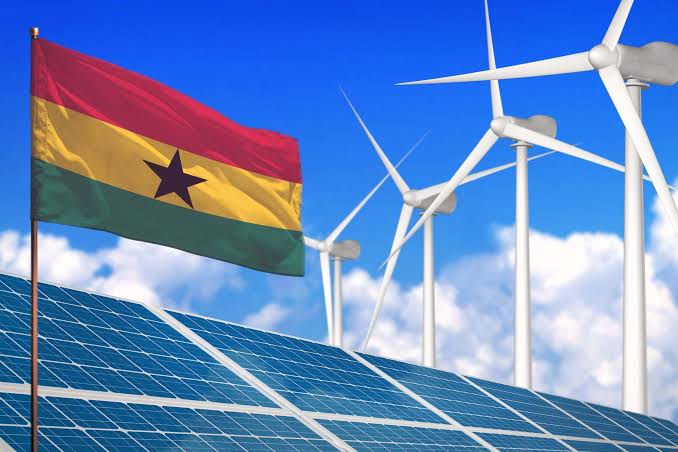
The organisation observed that renewable energy currently contributes only about two per cent of Ghana’s electricity generation mix and warned that additional thermal capacity should be matched by accelerated investment in utility-scale solar, wind power, battery energy storage systems and distributed renewable energy projects.
ASEC argued that strengthening electricity supply and advancing the country’s green transition should be pursued simultaneously rather than as competing priorities.
Budget should reflect ministry’s expanded mandate
The centre also questioned whether the Mid-Year Budget adequately reflects government’s decision to rename the Energy Ministry as the Ministry of Energy and Green Transition.
According to ASEC, while the name change signals a commitment to sustainability, comparable emphasis was not given to renewable energy deployment, energy efficiency, electric mobility, battery storage and other low-carbon technologies in the budget.

The Ministry’s mandate should be reflected not only in its name but also in its priorities, programmes and investments.
ASEC
ASEC therefore urged government to dedicate more resources to renewable energy programmes in future fiscal plans.
Calls for transparency on fuel levy and gas infrastructure
Beyond electricity generation, the centre also raised concerns about government’s decision to retain the GH¢1 fuel levy, saying its removal would have helped reduce transport costs, ease inflationary pressures and lower the overall cost of living.
ASEC called on government to explain how proceeds from the levy have been utilised while outlining a clear roadmap for its eventual withdrawal.

The organisation also welcomed government’s commitment to constructing a second Gas Processing Plant (GPP Train 2) but said the apparent shift towards a private sector-led ownership model should be accompanied by broader stakeholder consultations.
According to ASEC, issues relating to fiscal terms, local content requirements and long-term value retention must receive careful consideration to ensure Ghana maximises the benefits from its natural gas resources.
Strategic national assets should continue to deliver long-term value to the Ghanaian people.
ASEC
Clean cooking strategy should go beyond LPG
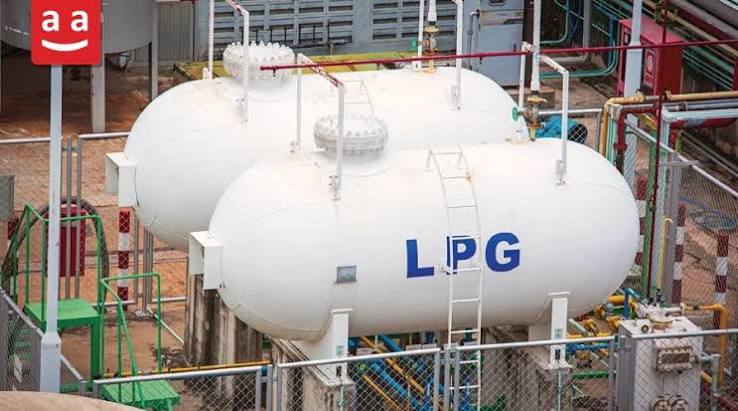
ASEC also endorsed government’s plans to expand access to Liquefied Petroleum Gas (LPG), describing it as an important transition fuel capable of improving household energy access and reducing dependence on traditional biomass.
However, it argued that Ghana should adopt a broader clean cooking strategy that incorporates electric cooking, bioethanol, biogas and improved biomass cookstoves to better align with the country’s climate commitments while improving public health.
The organisation believes such an approach would place Ghana on a stronger path towards universal access to modern cooking energy.
For ASEC, the overall direction of the Mid-Year Budget demonstrates government’s commitment to strengthening the energy sector. Nevertheless, it maintains that future policy decisions should place equal emphasis on expanding conventional energy infrastructure and accelerating the transition to cleaner, more sustainable energy systems capable of delivering long-term economic and environmental benefits.
READ MORE: Major Tax Relief for Ghana’s Fruit Juice Producers