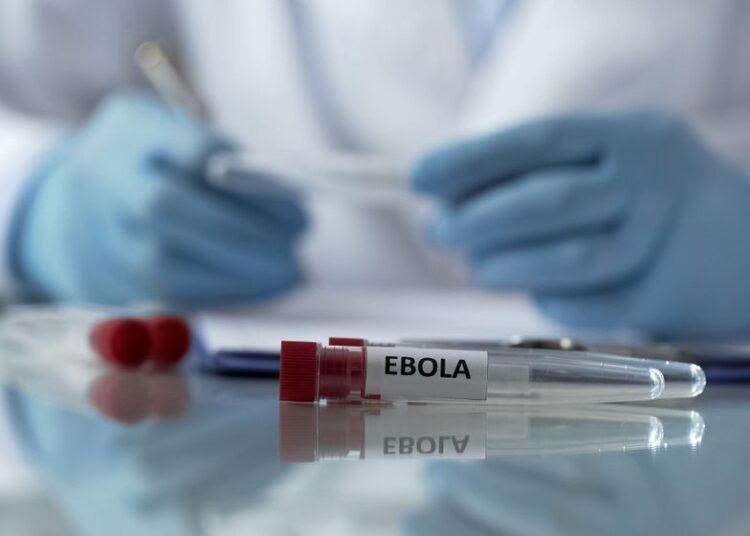
DRC Ebola Outbreak has entered a more dangerous phase after confirmed infections climbed to 3,075 and the death toll reached 1,354, while escalating violence, mass displacement and a strike by frontline health workers continue to undermine efforts to contain the disease in eastern Democratic Republic of Congo.
Government figures show that the outbreak continues to spread rapidly, making it one of the country’s most severe Ebola emergencies. Health authorities and international partners are battling multiple crises simultaneously, including armed conflict, funding shortages, attacks on health facilities and growing public mistrust, all of which have complicated disease surveillance and patient care.
The latest figures also indicate that 766 patients remain in isolation or are receiving treatment in hospitals, while 540 people have recovered since the outbreak was declared on 15 May. Eastern Ituri province remains the centre of the epidemic, accounting for nearly 90 percent of all confirmed infections.
The outbreak is being driven by the rare Bundibugyo strain of the Ebola virus, a variant for which there is currently no approved vaccine or specific treatment.
Unlike the more common Zaire strain responsible for most of Congo’s previous Ebola outbreaks, health officials have limited medical tools available to stop transmission, forcing responders to rely heavily on early detection, isolation, contact tracing and community engagement.
The deteriorating security situation has also become one of the most significant challenges facing health workers. More than 25,000 people have fled increased conflict into the northeastern city of Beni, with the UN reporting that armed groups have killed at least 60 civilians since July 12.
The displacement of thousands of displaced families has raised fears that sick persons may unintentionally spread the illness to other areas, making contact tracking much more difficult.
At the same time, some humanitarian organisations have halted operations in certain areas of the region due to insecurity, interrupting medical operations and delaying emergency responses.
According to health officials, the outbreak is spreading faster than response teams can identify and isolate new cases. A major challenge remains the inability to determine the outbreak’s original source, with investigators still unable to identify patient zero.
The worsening humanitarian situation has also placed enormous pressure on already overstretched health facilities across eastern Congo, where repeated attacks on healthcare infrastructure and shortages of essential resources continue to undermine emergency operations.
Health Worker Strike Deepens Ebola Emergency
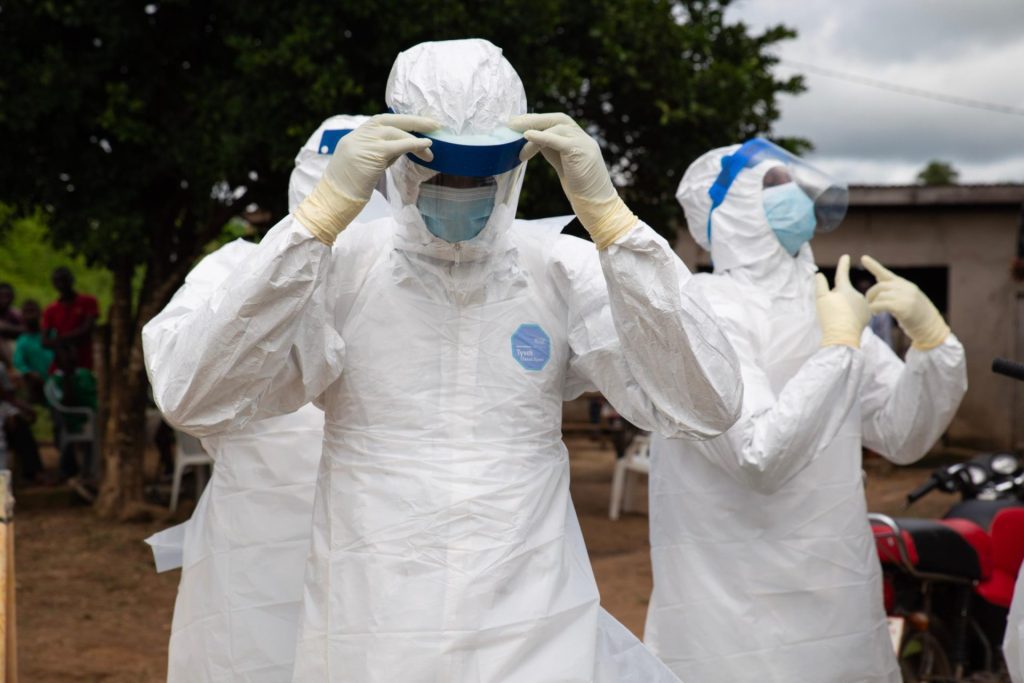
Meanwhile, the public health response experienced a setback when healthcare staff at the Elikya Ebola Treatment Center in Bunia, Ituri province, went on strike to demand payment of delayed performance bonuses.
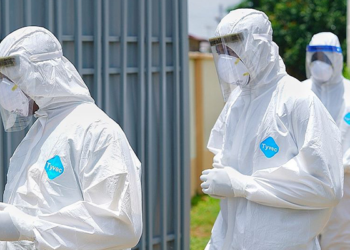
Doctors, nurses, and security personnel ceased working on Saturday, bringing operations at one of the region’s primary Ebola treatment centers to a halt. Around 100 healthcare workers rallied outside the institution, claiming that two months of unpaid bonuses had harmed staff morale and patient care.
In a statement issued before the strike, the health workers stated they had unanimously agreed to suspend work until “concrete solutions” were provided to resolve “two months of unpaid performance bonuses.”
The industrial action came just one day after Prime Minister Judith Suminwa visited Ituri province to assess the Ebola response. During her tour of treatment centres in Rwampara and Mongbwalu, healthcare workers pressed government officials to urgently address the payment delays affecting frontline staff.
The strike follows similar action at Bunia General Hospital, the region’s largest referral facility, where health workers also stopped work over unpaid salaries. Some medical staff revealed they had not received any payment since joining the Ebola response at the beginning of the outbreak.
World Health Organization has reported that more than 100 healthcare workers have been infected since the outbreak began, highlighting the extraordinary risks faced by frontline medical personnel treating Ebola patients under increasingly difficult conditions.
Despite these challenges, researchers have begun enrolling patients into a long-awaited clinical study evaluating two experimental treatments for the Bundibugyo virus. Health experts hope the trial could provide valuable evidence for future outbreaks involving the same strain.
Meanwhile, WHO continues to assess the risk of international spread as relatively low, noting that Ebola is transmitted through direct contact with the bodily fluids of an infected person rather than through the air. Nevertheless, officials stress that rapid containment inside the Democratic Republic of Congo remains essential to prevent the outbreak from expanding further.
For now, the combination of armed conflict, mass displacement, inadequate funding, attacks on health centres, delayed payments to medical workers and the absence of licensed vaccines or treatments continues to create ideal conditions for the virus to spread.
READ ALSO: Ghana Resumes Evacuation of 1,000 Citizens From South Africa