Mr. Alfred Appiah, a prominent data analyst, has advocated for a fundamental transition in Ghana’s macroeconomic evaluation framework, urging economists, policy authorities, and financial analysts to normalize the adoption of non-gold indicators such as non-gold Gross Domestic Product (GDP) and non-gold fiscal revenue when assessing the structural health of the national economy.
He argues that given the overwhelming expansion and dominance of the gold sector in recent years, relying on traditional aggregate metrics or outdated non-oil metrics distorts the real image of domestic economic activity.
“We need to start normalizing terms like non-gold GDP and non-gold revenue in our economic discourse, given how dominant gold has become over the past few years. Today, gold is the commodity having the greatest influence on our external sector, fiscal performance, and growth. If the objective is to understand how the rest of the economy is performing, then non-gold metrics may now be more informative than non-oil ones.”
Mr. Alfred Appiah
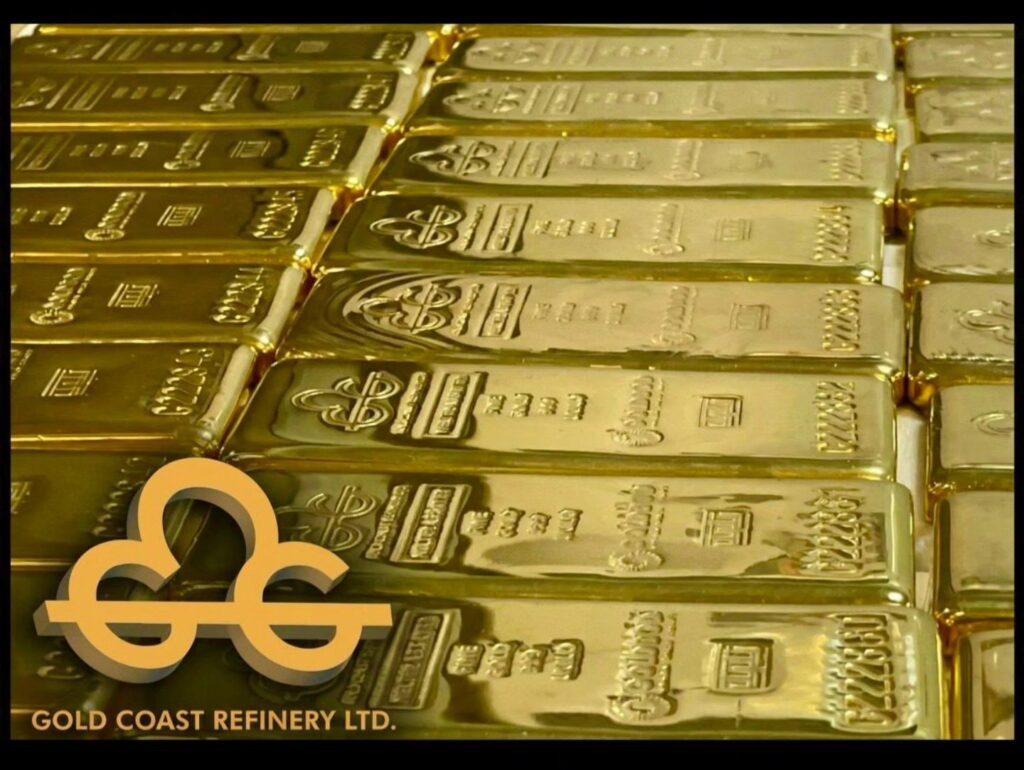
Mr. Appiah observed that while the original rationale for isolating oil performance was to track underlying economic strength free from hydrocarbon volatility, oil’s relative contribution to Ghana’s output and government receipts has steadily dwindled over time.
Consequently, continuing to strip out oil provides diminishing analytical value, whereas gold has emerged as the primary driver shaping Ghana’s balance of payments, foreign exchange reserves, and revenue trajectories.
Adopting non-gold parameters would therefore give stakeholders a far clearer lens through which to measure non-resource growth, labor productivity, and industrial performance.
Diminishing Utility of Non-Oil Indicators
Historically, the rationale behind tracking non-oil metrics emerged following Ghana’s commercial oil discovery and subsequent export boom in 2010.
During that era, sudden influxes of petroleum revenue threatened to mask stagnation in agriculture, manufacturing, and local commerce. Isolating petroleum allowed the Ministry of Finance and the Bank of Ghana to monitor core economic productivity without statistical inflation caused by crude prices.
However, over the past five years, field depletion, delayed offshore investments, and fluctuating international crude valuations have combined to diminish petroleum’s fiscal footprint.
As Appiah pointed out, maintaining non-oil metrics as the primary baseline is “increasingly less meaningful” because petroleum no longer serves as the primary distorting force in macro aggregates.
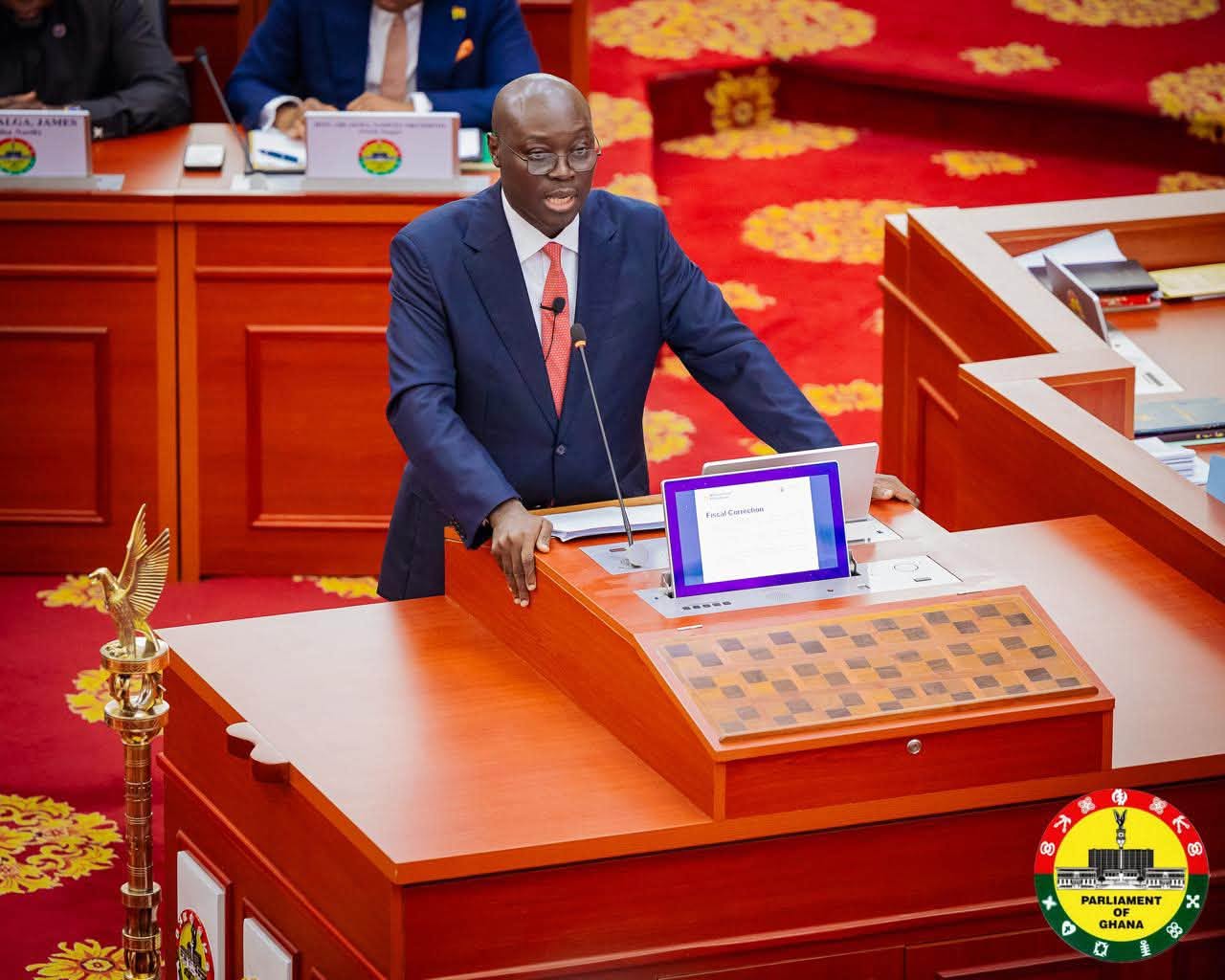
By contrast, gold production and export valuations have experienced an unprecedented surge, driven by elevated global spot prices, increased small-scale mining formalization, and proactive central bank purchasing programs.
Consequently, evaluating national growth solely through non-oil lenses creates a statistical illusion where soaring gold revenues can easily camouflage underlying distress in non-extractive sectors.
For extractive industry observers, stripping out oil while ignoring gold’s colossal footprint leaves a major analytical blind spot in sovereign financial assessment.
Gold’s Overwhelming Influence on Ghana’s Macro Economy
The structural imperative for non-gold metrics becomes glaring when examining Ghana’s trade balance and monetary reserves.
Gold has firmly established itself as Ghana’s supreme foreign exchange earner, generating billions of dollars in merchandise exports and bolstering the Bank of Ghana’s Domestic Gold Purchase Program (DGPP).

While this gold-driven windfall strengthens gross international reserves and temporarily stabilizes the Cedi, it also creates an inflated sense of macroeconomic stability that does not reflect conditions in domestic manufacturing or consumer retail.
Furthermore, fiscal performance has become deeply intertwined with gold royalty collections, corporate income taxes from mining conglomerates, and mineral export levies.
When international gold prices hit record highs, government revenue targets appear vibrant on paper, masking vulnerabilities in domestic tax administration and non-mineral collection.
Mr. Appiah noted that because gold currently wields “the greatest influence on our external sector,” failing to segregate gold revenues makes it exceptionally difficult for policy analysts to gauge true fiscal sustainability across local industries.
Enhancing Policy Precision and Preventing Structural Distortions
In economic research, the risk of mineral-driven distortion is closely linked to “Dutch Disease” a phenomenon where resource booms inflate national currency valuations and draw capital away from agriculture and manufacturing, making non-resource exports uncompetitive.
Introducing non-gold GDP and non-gold revenue metrics would provide an essential diagnostic tool to detect and mitigate these structural imbalances before they erode broader economic resilience.

With non-gold parameters integrated into official reporting by the Ghana Statistical Service and the Bank of Ghana, parliamentarians, investors, and civil society organizations can better evaluate whether economic growth is genuinely inclusive or merely extractive-led.
As Appiah emphasized, “if the objective is to understand how the rest of the economy is performing,” adopting non-gold metrics offers an indispensable standard for shaping evidence-based industrial policy, optimizing domestic revenue mobilization, and fostering sustainable long-term diversification.
READ ALSO: Ghana Resumes Evacuation of 1,000 Citizens From South Africa