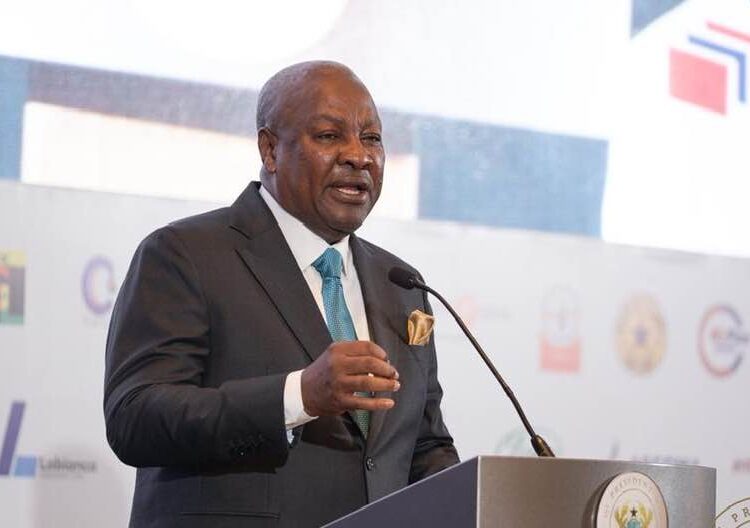
A new poll by Global InfoAnalytics has found that 65 percent of Ghanaian voters approve of President John Dramani Mahama’s decision not to seek a third term in office, while 27 percent disagree and 8 percent hold no opinion.
The Executive Director of the polling firm, Mussa Dankwa released the findings, which also reveal a nation split over public calls urging the President to reconsider his stance on tenure.
According to Mr Dankwa, the survey results reflect strong public endorsement of President Mahama’s position regarding his current mandate. “Majority of voters back the president’s decision not to seek for a third term in office as 65% agree with his decision, while 27% disagree and 8% have no opinion,” he said.
While the poll found a clear majority support for President Mahama’s own stance, it also captured more divided sentiment regarding a separate but related question, whether the President should heed calls from certain quarters urging him to pursue a third term despite his stated position.
“Nation divided as 50% of voters disagree with those calling for Mahama to seek a third term in office. 40% of voters, however, support the call, with 10% undecided,” Mr Dankwa said.

Survey Methodology and Sample Size
The poll was conducted between July 15 and July 24, 2026, using computer-assisted telephone interviews, according to Mr Dankwa. Global InfoAnalytics initially targeted 9,242 registered voters for the study, with 7,761 respondents ultimately completing the questionnaire, representing an 84 percent response rate.
The survey covered all 16 regions of Ghana, drawing its sample from the 2024 Electoral Commission voters’ register through probability random sampling with regional quota limits. Global InfoAnalytics reported that the survey carries a 99 percent confidence level with a margin of error of plus or minus 1.5 percentage points.
Mussa Dankwa explained that this particular survey forms part of a broader longitudinal tracking study, in which the same group of respondents will be surveyed repeatedly every two months to monitor how public opinion shifts over time.
He noted that this approach differs from the firm’s regular national tracking polls, which are conducted quarterly through online and face-to-face interviews across randomly selected constituencies.
Mahama’s Official Position on His Mandate
The poll arrives against the backdrop of Mahama’s explicit public rejection of any third-term agenda, with the President stating clearly that he remains bound by Ghana’s constitutional two-term limit and has no intention of seeking re-election beyond his current mandate.
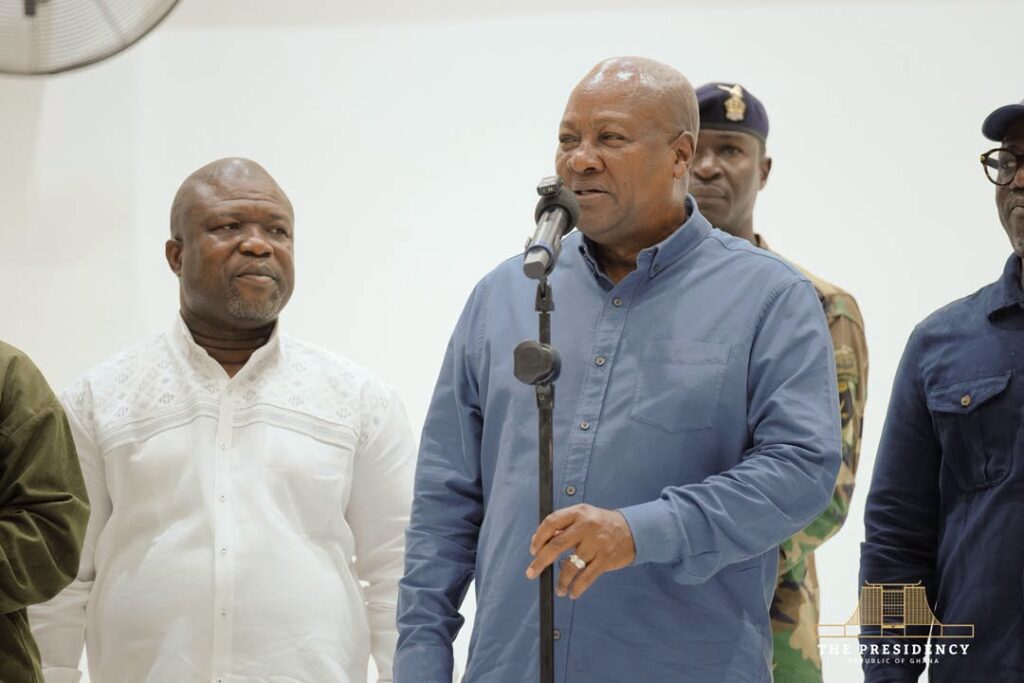
President Mahama has clarified that his current administration operates strictly under a single, four-year final mandate, firmly ruling out any plans to amend the constitution to extend his time in office.
He has also instructed state ministers to treat their assignments with heightened urgency given the limited time remaining in his tenure.
President Mahama has further argued that skipping the 2028 election removes political pressure that might otherwise complicate efforts to curb structural overspending, framing his one-term commitment as an advantage for fiscal discipline rather than a limitation.
Supreme Court Petitions Fuel the Debate
The controversy surrounding presidential tenure intensified following the filing of lawsuits at the Supreme Court of Ghana by private citizens, including a local teacher, who argue that a legal loophole exists within the Constitution’s term limit provisions.
According to the plaintiffs, Article 66(2) of the 1992 Constitution only prohibits a president from serving more than two consecutive terms, leaving open the possibility that a former president who served two non-consecutive terms could remain eligible to run again.
The matter currently rests before the Supreme Court for constitutional determination, with no ruling yet issued on the question.

Democratic watchdogs have also weighed in on the controversy, warning that any push toward extending presidential tenure beyond constitutional limits risks triggering severe democratic backsliding and civic instability.
These warnings reflect broader concerns among civil society groups about precedent-setting implications should term limit provisions be reinterpreted or challenged successfully through the courts.
Poll Reflects Broad Public Rejection of Third-Term Bids
The latest Global InfoAnalytics tracking data indicates that a strong majority of Ghanaians across the political spectrum flatly oppose any third-term bids, instead favouring strict adherence to existing constitutional provisions governing presidential tenure.
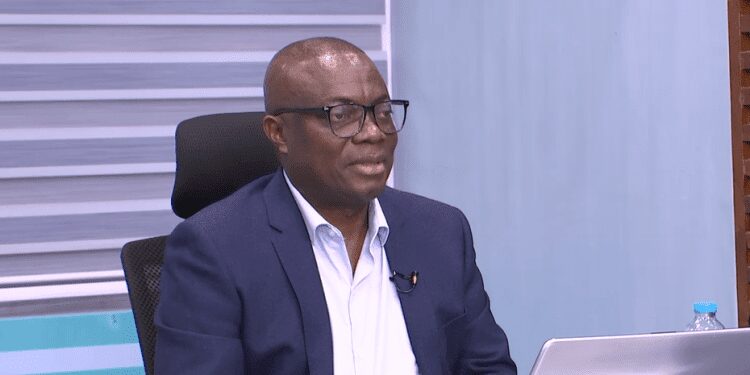
The poll results offer an early indication of how Ghanaian voters are processing the ongoing constitutional debate over presidential term limits, revealing strong public alignment with Mahama’s own stated position even as legal challenges continue to work their way through the Supreme Court.
With the matter still awaiting judicial determination, these survey findings may factor into broader public and political discourse surrounding the case, particularly as civil society groups, party officials and everyday voters continue to weigh in on what many view as a fundamental question about the durability of Ghana’s constitutional term limit framework.
As the longitudinal tracking study continues, Global InfoAnalytics is expected to survey the same respondent group again in coming months, offering a clearer picture of whether public sentiment on this issue shifts as the Supreme Court proceedings progress.
READ ALSO: Ghana’s $3 Billion IMF Journey Reaches Final Chapter