
Mathias Asamoah, a Ghanaian game developer and digital marketer, has officially unveiled CityQuest, an ambitious new gaming platform that merges interactive digital adventures with real-world tourism and STEM education to celebrate and promote Ghana’s rich cultural heritage, history, and natural attractions.
The launch marks a significant milestone in Ghana’s burgeoning tech and creative industries, positioning the country as a potential leader in edutainment and digital tourism innovation. Unlike traditional travel apps or simple sightseeing guides, CityQuest transforms exploration into an immersive gameplay experience where users “play through” Ghana, learning about landmarks, traditions, and environmental conservation while engaging in entertaining challenges.
According to details shared in Asamoah’s announcement, the platform blends education, tourism, and entertainment into a cohesive package. Players embark on adventures inspired by real Ghanaian locations, from bustling urban centers like Accra to historic sites and scenic natural wonders.
The game encourages active discovery rather than passive observation, fostering a deeper connection to the nation’s identity.
“My dream is that one day children across Ghana won’t just read about our country they’ll play through it, explore it, protect it and be proud of it,” Asamoah stated. This vision underscores the project’s dual focus on national pride and practical education.
By incorporating STEM elements such as problem-solving puzzles, basic coding concepts in gameplay mechanics, or environmental science tied to conservation missions CityQuest aims to inspire young Ghanaians to pursue careers in technology while appreciating their cultural roots.
The gameplay screenshot released alongside the announcement depicts a charming, accessible style reminiscent of popular simulation or adventure games. In one scene, characters engage in crafting activities like making a fishing rod in a sandy, open-world environment with palm trees and interactive objects.
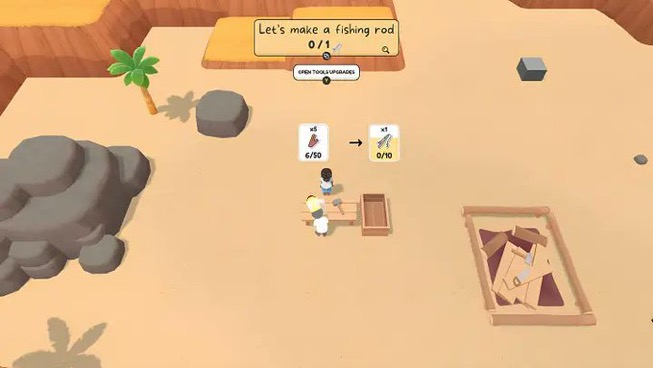
Such mechanics suggest players will gather resources, complete quests, and unlock knowledge about local practices, potentially including traditional fishing methods, agriculture, or artisanal crafts.
Public Observation
Industry observers see CityQuest as timely. Ghana has invested heavily in digital transformation and tourism recovery post-pandemic. The country’s creative arts and technology sectors have shown resilience, with growing interest in homegrown solutions that address local needs.
Asamoah’s background in game development and digital marketing equips him well to navigate the challenges of building a platform that appeals to both domestic users and the global Ghanaian diaspora, as well as international travelers seeking authentic cultural experiences.
Experts highlight the potential economic impact. Digital tourism tools can extend the reach of physical attractions, encouraging virtual visitors to plan real trips or support local economies through in-game purchases tied to real-world initiatives.
Partnerships with tourism boards, cultural institutions, or environmental organizations could amplify this effect. For instance, successful quests might reward players with virtual badges redeemable for discounts at heritage sites or eco-tourism experiences.
CityQuest also addresses a broader narrative challenge. African nations often struggle against stereotypes in global media. By creating a fun, modern lens through which to view Ghana, the platform counters this by showcasing vibrancy, innovation, and depth.
Players might learn about ancient kingdoms like the Ashanti Empire, coastal forts tied to complex histories, vibrant festivals such as Panafest or Homowo, and contemporary achievements in music, fashion, and entrepreneurship all woven into engaging storylines.
Challenges remain in development and adoption. Building a high-quality game requires substantial resources, from art and programming to rigorous testing across devices. Asamoah will likely need to focus on user-friendly design to attract casual gamers, students, and families.
Monetization strategies freemium models, sponsorships from tourism stakeholders, or educational grants will be crucial for sustainability. Marketing efforts must cut through the noise of global gaming giants while building a loyal local community.
Early reactions on social media have been positive, with users praising the initiative as “awesome” and recognizing its potential to put Ghana on the map in innovative ways.
Asamoah’s project aligns with continental trends. Governments and organizations across Africa are increasingly supporting game development and digital content creation as pathways to youth employment and soft power.
Initiatives like tech hubs in Accra, Lagos, or Nairobi provide ecosystems where developers can thrive. CityQuest could serve as a blueprint for similar culturally grounded games highlighting other nations’ stories.

Looking ahead, Asamoah envisions CityQuest evolving with user feedback, expanded locations, multiplayer features for community exploration, and augmented reality integrations that blend virtual quests with real-world visits.
Long-term goals include positioning Ghana as a top tourism destination through immersive storytelling that leaves players inspired to visit or contribute to preservation efforts.
The unveiling of CityQuest represents more than a game launch; it embodies hope for a future where technology amplifies cultural pride, educational outcomes, and economic opportunities. As Ghana continues nurturing its tech talent, projects like this highlight the creativity and vision emerging from the country.
For Mathias Asamoah, it is the realization of a personal passion one that invites players worldwide to embark on a journey of discovery, learning, and connection with one of Africa’s most dynamic nations.
READ ALSO:UK Antisemitic Incidents Reach Record High, Report Finds