Sports analyst Isaac Mortey has called on the government to increase investment in other sporting disciplines and not only football, arguing that Ghana’s disappointing performance at the 2026 Commonwealth Games highlights the consequences of years of inadequate funding for other sports.
Speaking exclusively to The Vault Sports, Mortey said the country’s modest medal haul in Glasgow should serve as a wake up call for authorities to adopt a more balanced approach to sports development.
The 2026 Commonwealth Games concluded on Sunday, August 2, with Team Ghana securing only two medals, one silver and one bronze, falling three short of the five medals won at the previous edition.

Mortey believes the performances of Ghanaian athletes should be viewed in the context of the resources available to them, insisting they have continued to represent the country admirably despite limited investment.
According to him, successive governments have paid greater attention to football and especially pumping more money into the Black Stars while other sports are left to rely on private sponsorship and the personal sacrifices of athletes and administrators.
Athletics and Other Sports Need Greater Support
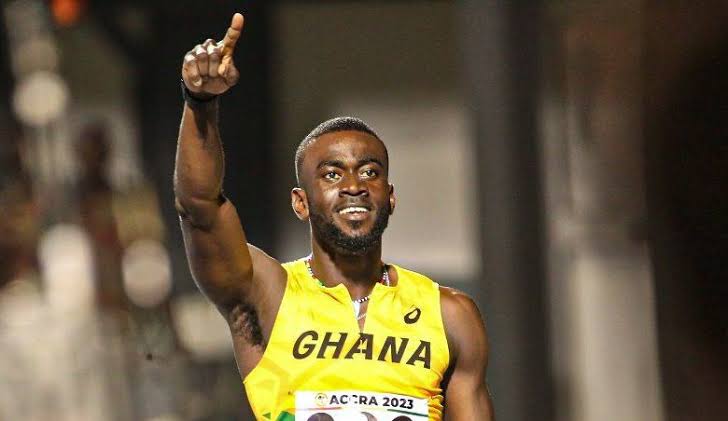
Using athletics as an example, Mortey said many of Ghana’s leading athletes are forced to seek sponsorship and training opportunities abroad before they can qualify for major international competitions.
“When it comes to athletics, we have Joseph Paul Amoah, Benjamin Azamati and Abdul Rasheed Saminu. These are the faces of athletics in Ghana.”
“Mostly they qualify, they get sponsorship and go to the U.S. and then seek qualification from there.”
Isaac Mortey, Sports Analyst
He disclosed that in a private conversation with one sport federation president, he was told that an investment of just $100,000 could significantly improve preparations for the country’s elite athletes. “I asked him one simple question, how much they need to help these athletes? He said they only need $100,000 to help these athletes, but they are not getting it,” Mortey revealed.
He added that the lack of government support often forces sports federations to depend on corporate sponsorship, with funding becoming available only when major competitions approach.
“It’s becoming annoying because it seems like we don’t care about them until there is an event. Once they qualify, then we start promising them a huge amount of money if they win gold. There’s no investment, so there’s no need to make promises for them to win gold.”
Isaac Mortey, Sports Analyst
Before the Games in Glasgow, the Ministry of Sports and Recreation had promised a $10,000 reward for any athlete who wins a gold medal.
Mortey also referenced Ghana’s performances in Glasgow, noting that Benjamin Azamati and Joseph Paul Amoah both placed seventh in 100m and 200m sprint finals respectively, while the women’s relay team also failed to progress beyond the heats after placing 6th. “Based on the kind of investment they receive, we can’t blame them much. What they need is our support so that they can do better in their next Commonwealth Games,” he added.
Poor and Inadequate Infrastructure
Mortey also identified inadequate sporting infrastructure as one of the biggest obstacles to the growth of sports in Ghana. He argued that many athletes are forced to train under difficult conditions because they lack access to standard facilities and modern equipment.
Citing skate soccer as an example, he said the national team has no permanent training ground and is often compelled to wait until Sundays to use a section of Rawlings Park after traders have vacated the area.
According to him, such conditions make it unrealistic to expect athletes to consistently compete with counterparts from countries that have invested heavily in sports infrastructure.
“When you look at skate soccer, they don’t even have a place to train. They have to wait until Sunday afternoon before they go to Rawlings Park to train. How can you promise such people an amount of money if they win gold? No, it’s not possible. Unless you get them what they need, then you can also give them the needed results.”
Isaac Mortey
According to him, promising such athletes a huge amount of money to win gold at international competitions will only remain verbal rather than a realistic motivation because their preparations are already handicapped.
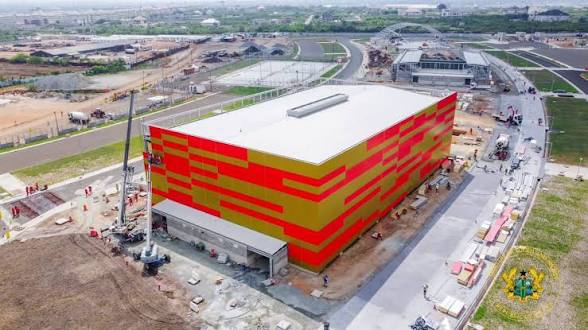
He maintained that developing quality training facilities should be a priority if Ghana is serious about improving its performances at major international competitions.
Mortey also believes investing in infrastructure, alongside funding and athlete welfare, would provide a stronger foundation for success across multiple sporting disciplines.
Football Should Not Be the Only Priority
While acknowledging that football naturally attracts greater investment because of its commercial value, Mortey argued that this should not come at the expense of other sports capable of bringing honour to the country. “Without kicking a ball, we got $10.5 million just for qualifying for the World Cup,” he said. “An athlete qualifying for an international event is not guaranteed money until they get there and win a medal.”
He explained that although football generates significant financial returns through competitions such as the FIFA World Cup, success in other sports also enhances Ghana’s international image.
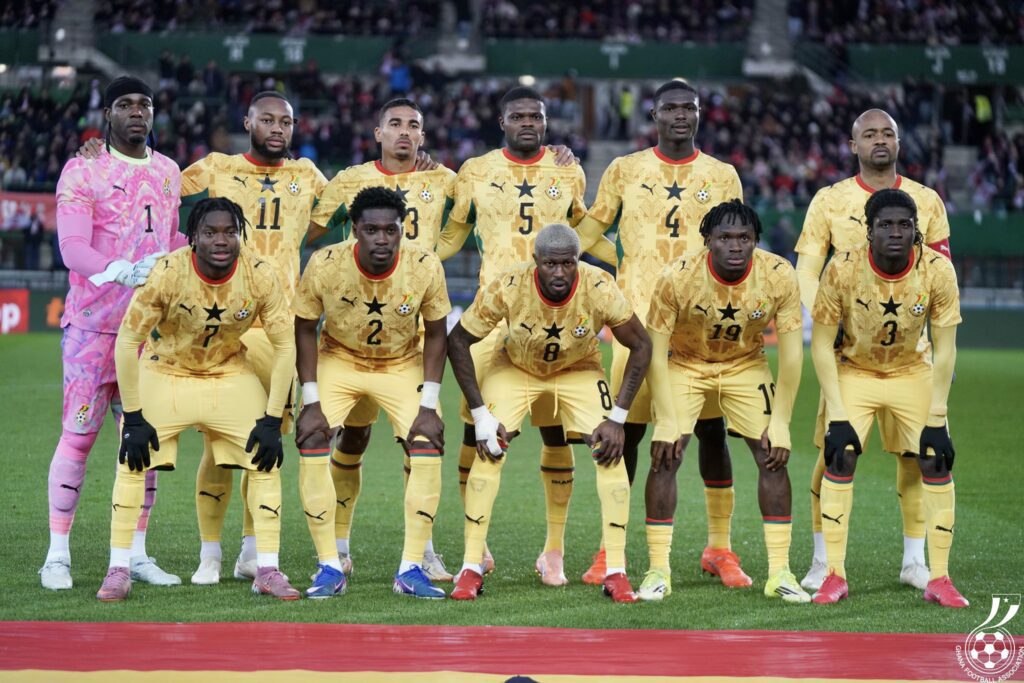
Mortey admitted that governments may be tempted to prioritise sports that generate direct revenue but insisted that national sports policy should not be driven solely by financial returns.
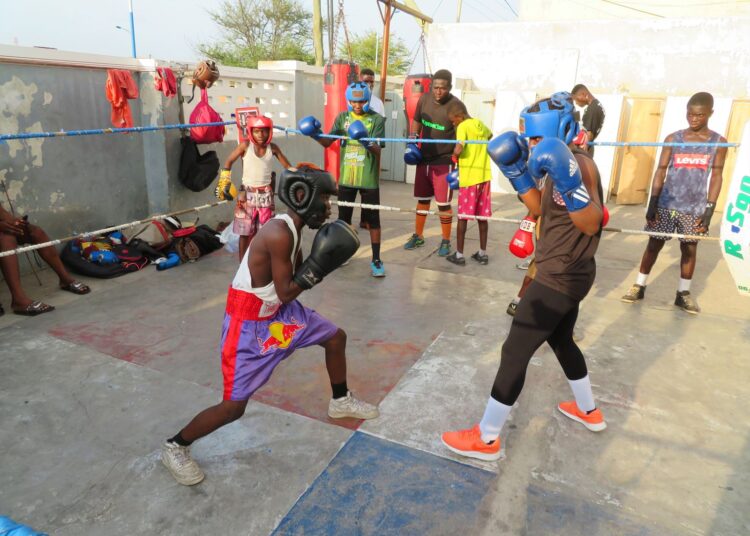
Drawing on the example of Ghanaian boxing legend Azumah Nelson, he said the achievements of athletes in other disciplines have helped elevate Ghana’s global reputation over the years. “When you mention Ghana, everybody talks about Azumah Nelson. That is something that the country can also benefit from,” he noted.
He stressed that every athlete competes under the Ghanaian flag and therefore deserves equal opportunities to develop regardless of whether prize money goes to the individual or the state.
“We must help each athlete so that he can showcase his talent on the international stage, no matter what he or she gets in return. It is the country’s duty to polish that talent and help him or her get to the international level.”
Isaac Mortey, Sports Analyst
Reflecting on the Glasgow 2026 Commonwealth Games, where Ghana’s medal tally dropped from five at the previous edition to just two, Mortey believes the results should prompt a rethink of the country’s sports funding model.
According to him, sustained investment in sports beyond football will give Ghana a stronger platform to compete consistently and improve its fortunes at future international competitions.
READ ALSO: Liquidity Crunch Could Trigger Government Defaults: Ghana’s Precarious Position