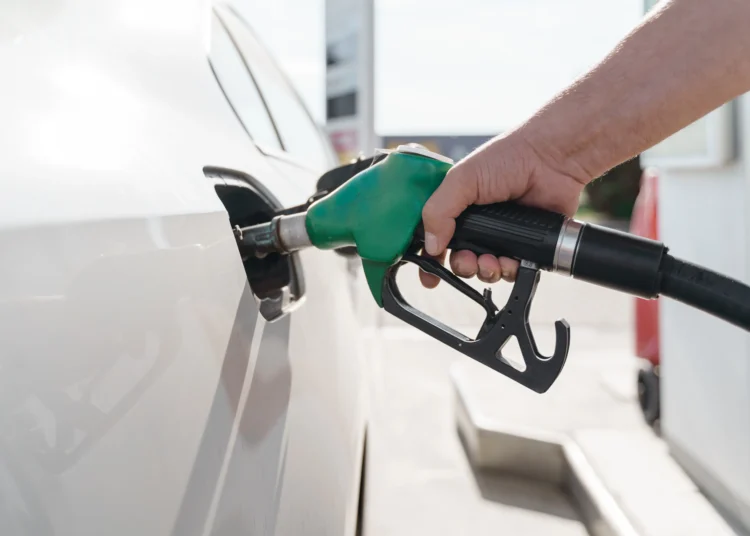
Fuel theft across United Kingdom has surged to an estimated £200,000 a day as soaring petrol prices linked to the conflict in the Middle East drive more motorists to leave filling stations without paying, according to new industry analysis.
New analysis by Forecourt Eye indicates that incidents of unpaid fuel have climbed significantly in the five months since the outbreak of the Middle East conflict on 28 February, highlighting the financial strain rising fuel prices are placing on both consumers and retailers.
According to the company, UK forecourts are now losing an estimated £194,000 worth of fuel each day, representing a 48% increase in the value of stolen fuel compared with the five months preceding the conflict.
The number of thefts has also risen sharply, with nearly 2,900 incidents occurring daily across the country, up from around 2,400 before hostilities disrupted global energy markets.
The findings suggest that while higher fuel prices have increased the cost of filling vehicles, they have also intensified pressures on petrol station operators already grappling with higher operating expenses and tighter margins.
Forecourt Eye’s analysis is based on data collected from a representative sample of 550 petrol stations and projected across UK’s 8,359 forecourts. The company stated that the figures include both motorists who deliberately drive away after refuelling without attempting payment and customers who claim they have no means of paying after filling their vehicles.
Beyond the growing number of thefts, the volume of fuel being stolen has also increased considerably. The company estimates that approximately 108,900 litres of fuel are now stolen every day across Britain, compared with about 87,000 litres during the five months before the conflict began.
The surge coincides with dramatic fluctuations in global oil prices. Conflict in the Middle East disrupted energy supplies and pushed wholesale oil prices higher, resulting in increased fuel costs for motorists throughout United Kingdom.
Although prices eased temporarily after the United States and Iran agreed to a framework aimed at ending the conflict in June, the collapse of subsequent peace negotiations has renewed pressure on oil markets.
Last week, petrol prices reached their highest level since the Middle East conflict began and climbed to levels not seen since 2022, further increasing financial pressure on households already facing broader cost-of-living challenges.
Moreover, forecourt Eye reported that many petrol station operators are also experiencing increasing levels of abuse, intimidation and violence from frustrated customers, reflecting heightened tensions at service stations as motorists confront rising costs.
The company noted that similar patterns emerged following Russia’s invasion of Ukraine in early 2022, when disruptions to global energy markets likewise triggered higher fuel prices and an increase in fuel theft across Britain.
With incidents continuing to rise, Forecourt Eye has announced plans to strengthen security measures by partnering with facial recognition technology company Facewatch. Beginning this autumn, the initiative will provide more than 2,000 fuel retailers with free access to crime-reporting technology designed to help identify repeat offenders and improve cooperation with law enforcement agencies.
Retailers Push Back Against Fuel Gouging Claims as Prices Rise

The rise in fuel theft has unfolded alongside concerns over whether motorists are paying more than necessary at the pumps.
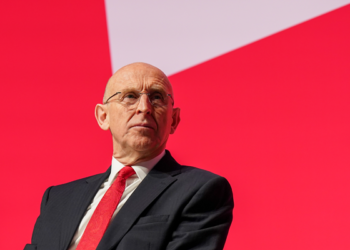
Over the weekend, Chancellor John Healey pledged that the government would closely monitor fuel pricing to ensure consumers were not unfairly burdened by the consequences of the Middle East conflict.
While acknowledging that there was currently no significant evidence of retailers deliberately inflating prices, Accordig to the Chancellor of the Exchequer, the government would be “watching closely” for any indication that motorists were being “taken for a ride at the pump or the till.”
His comments follow earlier assurances from former Prime Minister, Keir Starmer that the government would intervene if evidence emerged that retailers were exploiting geopolitical instability to raise fuel prices excessively.
Meanwhile, the petroleum retail industry strongly objected to those assertions. During a time of extraordinary volatility in the world’s energy markets, the Petrol merchants Association accused governments of adopting “inflammatory language” that unfairly characterised gasoline merchants and denied claims of widespread price gouging.
According to a May evaluation released by the Competition and Markets Authority (CMA), there was no substantial proof that retailers had routinely overcharged drivers in the immediate aftermath of the dispute.
The watchdog did, however, reveal that it was looking into why fuel margins at three non-supermarket fuel merchants and two supermarket chains rose between February and March, suggesting that more investigation into pricing practices is still ongoing.
Representatives of the retail sector have also claimed that factors other than the cost of wholesale oil are influencing petrol prices.
In response to the government’s most recent remarks, the British Retail Consortium stated that despite growing financial strain on retailers, fierce competition among supermarkets has helped keep prices as low as feasible.
The organization’s Director of Food and Sustainability, Andrew Opie, stated that companies were also bearing extra expenses related to rising packaging taxes, higher National Insurance contributions, and “outdated business rates.”
Industry analysts caution that persistently high fuel prices might keep theft levels high unless prices start to stabilise or extra security measures prove effective, as geopolitical uncertainty continues to impact global oil markets.
READ ALSO: Akonta Mining Judgment: ACEP Boss Analyzes National Resource Rights