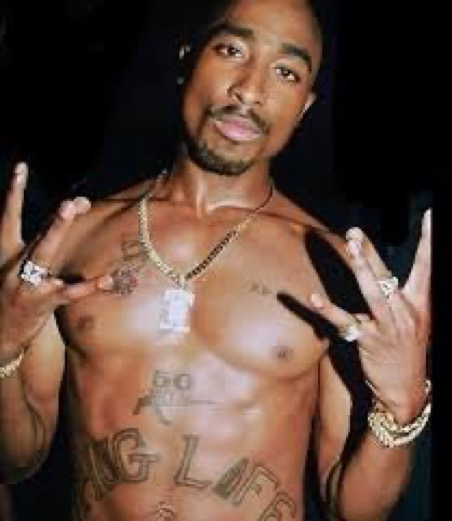
Nearly 30 years after Tupac Shakur was fatally shot in a drive-by attack near the Las Vegas Strip, the only person ever charged in the iconic rapper’s death appeared in court Monday as jury selection began for his murder trial.
Duane “Keefe D” Davis, 63, a former leader of the South Side Compton Crips, sat quietly in Clark County District Court wearing a light blue dress shirt, blue tie and slacks. He has pleaded not guilty to one count of murder with the use of a deadly weapon with the intent to promote, further or assist a criminal gang. If convicted, he faces life in prison without the possibility of parole.
Judge Carli Kierny opened proceedings by questioning a pool of about 75 prospective jurors about medical issues, language barriers, work conflicts and other hardships that might prevent them from serving on a trial expected to last four to six weeks. By the afternoon, more than two dozen potential jurors had been excused.
Attorneys then began probing what the remaining candidates already knew about the high-profile case and whether they could remain fair and impartial.
An extensive list of potential witnesses was read in court, including Nevada Gov. Joe Lombardo, former Las Vegas Mayor Oscar Goodman, Sean “Diddy” Combs and Marion “Suge” Knight, the former Death Row Records co-founder who was driving the BMW carrying Shakur when the shots rang out.
Shakur, then 25 and one of hip-hop’s most commercially successful and influential artists, was shot multiple times on the night of Sept. 7, 1996. He died six days later in a hospital. Knight suffered a minor injury.
Prosecutors allege the killing was retaliation for a fight earlier that evening at the MGM Grand casino. Shakur and members of his entourage had attacked Davis’ nephew, Orlando “Baby Lane” Anderson.
Authorities say Davis then acted as the “shot caller,” obtaining a gun and handing it to men in the back seat of a white Cadillac as the group searched for Shakur and Knight’s vehicle. When the Cadillac pulled alongside the BMW near Flamingo Road and Koval Lane, shots were fired.
Davis is not accused of pulling the trigger. The three other men prosecutors say were in the Cadillac with him including Anderson- have all since died. Under Nevada law, however, a person can be held responsible for murder if they participated in the crime without firing the fatal shots.
For decades the case went cold. Police have said Davis was a longtime suspect, but investigators lacked sufficient evidence to charge him until he began speaking publicly about the night. In interviews and his 2019 memoir Compton Street Legend, Davis described riding in the front passenger seat of the Cadillac and tossing a gun into the back seat.
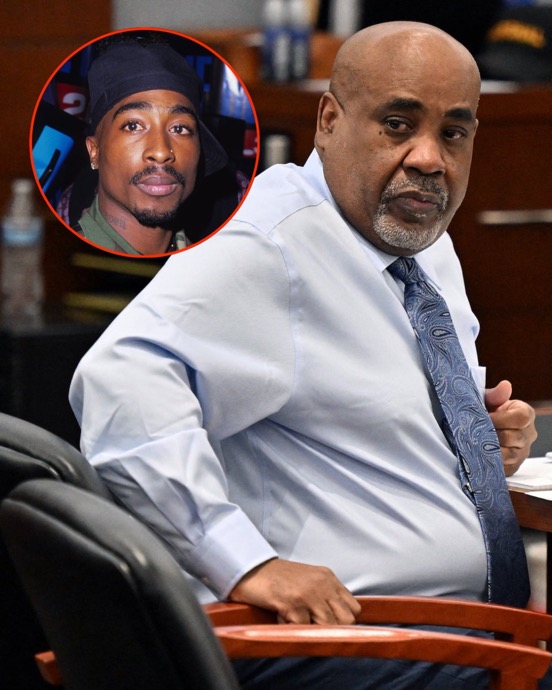
Prosecutors plan to use those statements, along with a 2008 police interview, as central evidence. The defense has argued that Davis embellished stories for attention and money and that the book does not prove he ordered the murder.
Public Reaction
Outside the Regional Justice Center, family members and supporters of Shakur gathered as proceedings got underway. William Lesane, who identified himself as Shakur’s cousin, told reporters the trial represented the culmination of 30 years of grief. “Hopefully we’ll find out some new information. And more importantly, the right person is charged and convicted for Tupac’s murder,” he said.
Another relative, Kendrick Lesan, added that anyone involved in the killing should be locked up.
The shooting became a defining moment in 1990s hip-hop, intensifying the East Coast-West Coast rivalry and cementing the image of violence surrounding “gangsta” rap. Shakur’s death, followed by the still-unsolved 1997 killing of rival The Notorious B.I.G., has spawned countless documentaries, theories and cultural reflections.
Knight, currently serving a 28-year sentence for an unrelated voluntary manslaughter conviction, may testify. In a recent prison interview, he suggested Davis’s own words would be difficult to overcome.
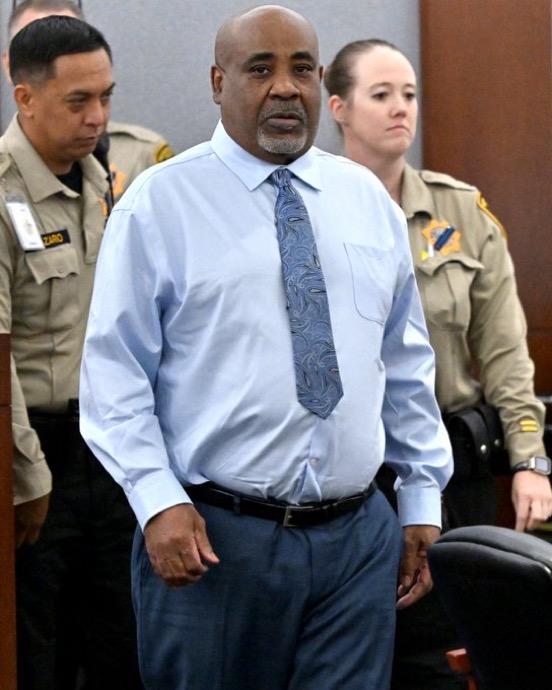
Seats in the courtroom are limited due to intense public interest; a lottery system will determine daily public access.
Jury selection is expected to continue for several days before opening statements and testimony begin. The trial marks the first time a jury will hear a criminal case connected to one of music’s most enduring mysteries.
For Shakur’s family and fans worldwide, it represents a long-delayed opportunity for accountability in a crime that has haunted hip-hop for a generation.
READ ALSO:NPP Seeking Clarity On 70% Cocoa Pricing Clause In Bill — Communications Member