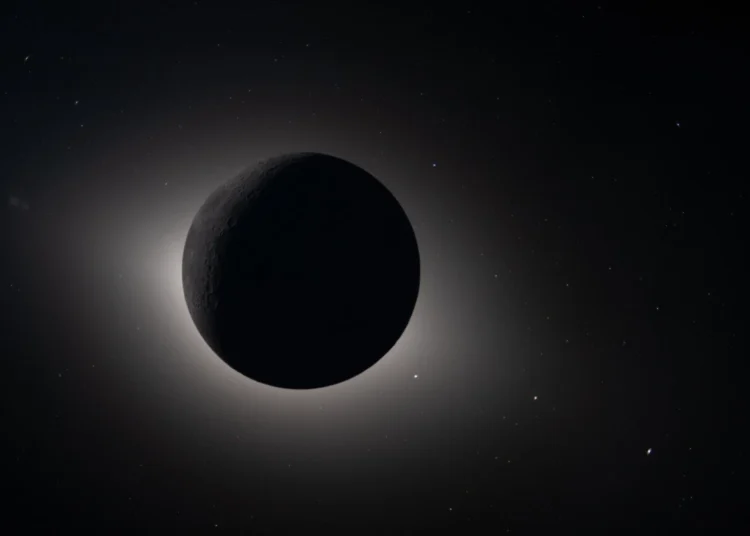
Thousands of people have gathered across parts of Europe to witness a rare total solar eclipse, with the spectacle expected to draw large crowds to Iceland, Spain, the United Kingdom and other parts of the continent.
The eclipse is visible along a narrow path stretching across parts of the North Atlantic and Europe, with a wide band of northern and central Spain, a small part of Portugal, Greenland and Iceland experiencing totality; the brief period when the Moon completely blocks the Sun.
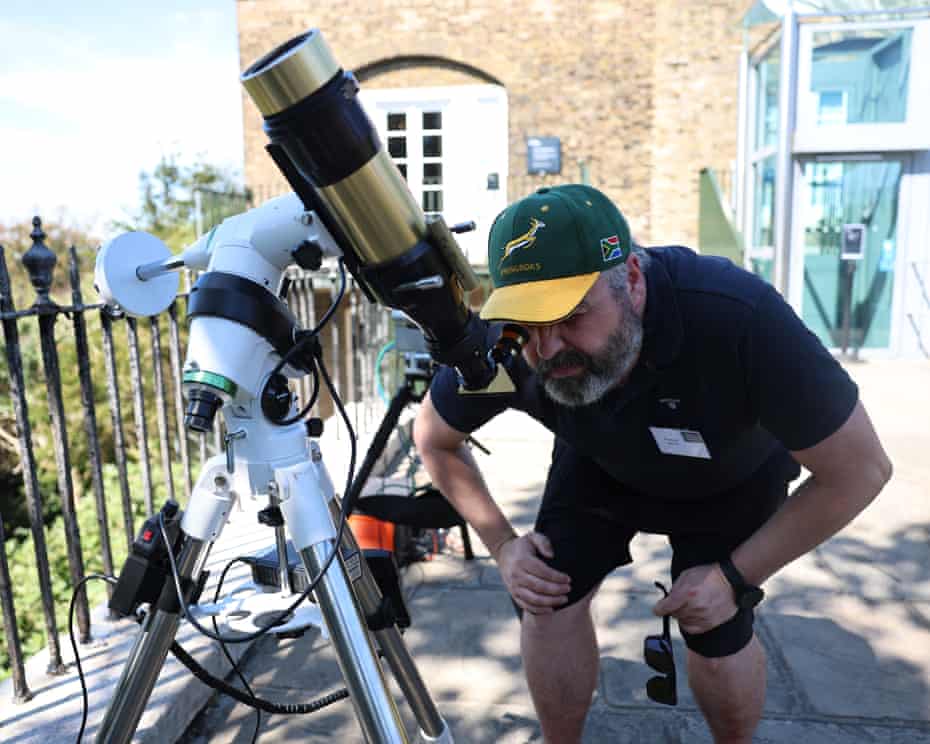
Across a much wider area, including the UK, France, Belgium, Switzerland and northern Italy, people are expected to see the Sun partially covered as the Moon passes between the Earth and the Sun. In Iceland, the event has attracted visitors travelling by air, land and sea for what is the country’s first total solar eclipse in 72 years. However, cloudy conditions could affect views in much of the country, with forecasts indicating that low cloud may obscure the eclipse.
The eclipse begins in Iceland at about 4:45pm local time and ends at around 6:50pm. Totality will be visible only in western Iceland, with the longest period occurring at Látrabjarg in the Westfjords, where it is expected to last about two minutes and 13 seconds. The event will then move across parts of Europe. In London, the partial eclipse is expected to begin at 6:17pm, reach its maximum at 7:13pm and end at 8:06pm.
In southwestern England, roads and car parks in west and north Cornwall have become heavily congested as residents and visitors gather for the event. Cornwall is expected to experience about 95 percent coverage of the Sun, slightly more than London, according to the Royal Observatory, Greenwich.
Spain is expected to offer some of the best views of totality on mainland Europe. Millions of people across northern and central parts of the country are preparing to watch the Moon pass directly in front of the Sun, briefly turning daylight into darkness.
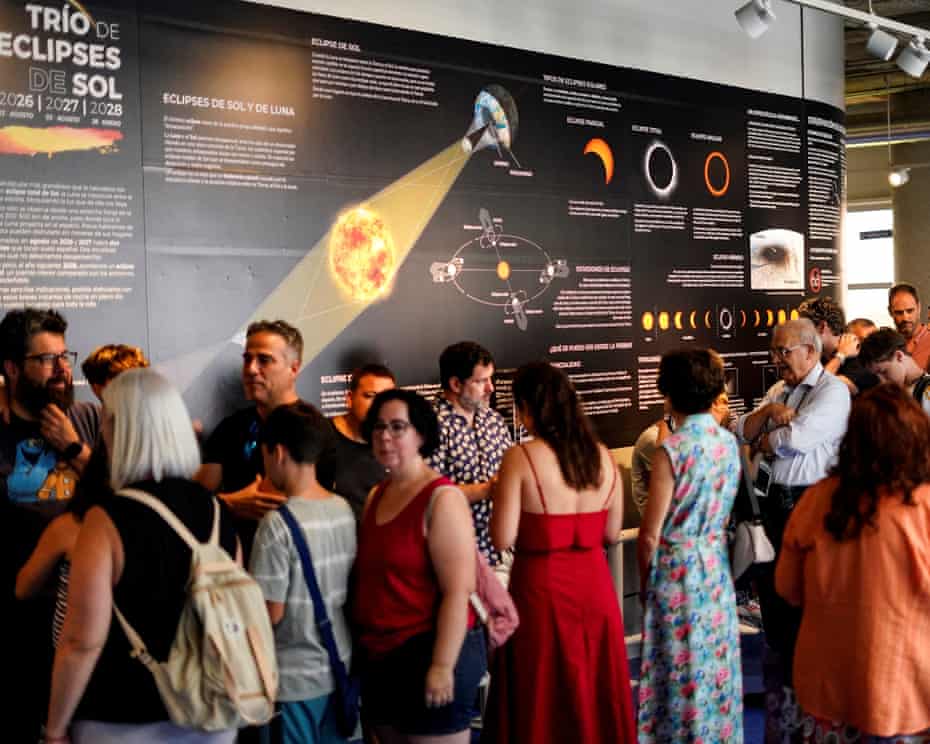
The eclipse is also expected to provide a boost to tourism in Spain. Authorities estimate that the event could attract at least an additional 500,000 visitors, while demand for accommodation along the path of totality has risen sharply. Cities including A Coruña, Bilbao and Santiago de Compostela have seen increased demand for hotel rooms as visitors arrive ahead of the eclipse.
Totality is expected to last for less than two and a half minutes at its longest point, off the western coast of Iceland. By the time the eclipse reaches Portugal and Spain close to sunset, the period of complete darkness will have shortened to around a minute before the spectacle moves towards the Mediterranean.
The event comes as Spain continues to experience high summer temperatures and deal with the risk of wildfires. Authorities have therefore introduced public safety measures to manage the expected influx of visitors and reduce risks during the event.
Shortage of Eclipse Glasses As People Prepare To Watch Celestial Event
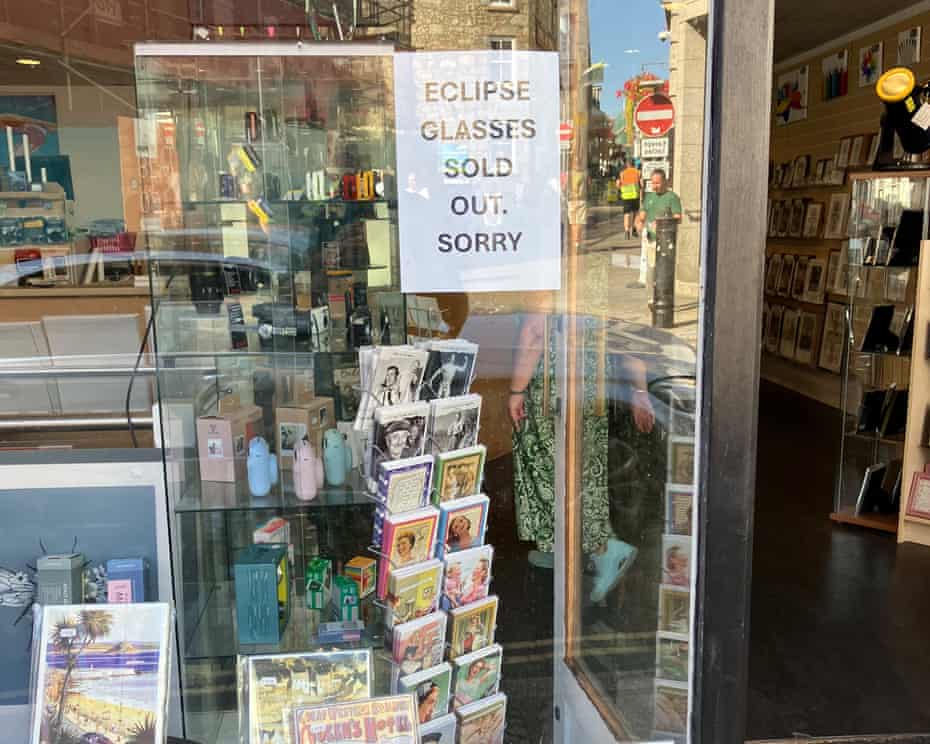
As anticipation has grown, demand for specially designed eclipse glasses has outpaced supplies in several locations. The glasses are considered essential for safely observing the Sun because they contain specialised filters designed to block harmful solar radiation. Ordinary sunglasses do not provide sufficient protection, even when most of the Sun is covered.
In Cornwall, notices have appeared outside shops informing customers that eclipse glasses are unavailable. In St Ives, dozens of people reportedly queued outside a phone repair shop after it announced that a new batch of glasses had arrived.
Spain has also experienced shortages. Supermarkets, department stores, museums and planetariums have distributed or sold eclipse glasses for months, while some pharmacies have run out of stock as the event approaches.
The European Space Agency has warned that viewing the Sun without appropriate protection can cause serious damage to the eyes. It has specifically stressed that regular sunglasses are not safe for observing an eclipse, highlighting the need for approved solar viewing equipment.
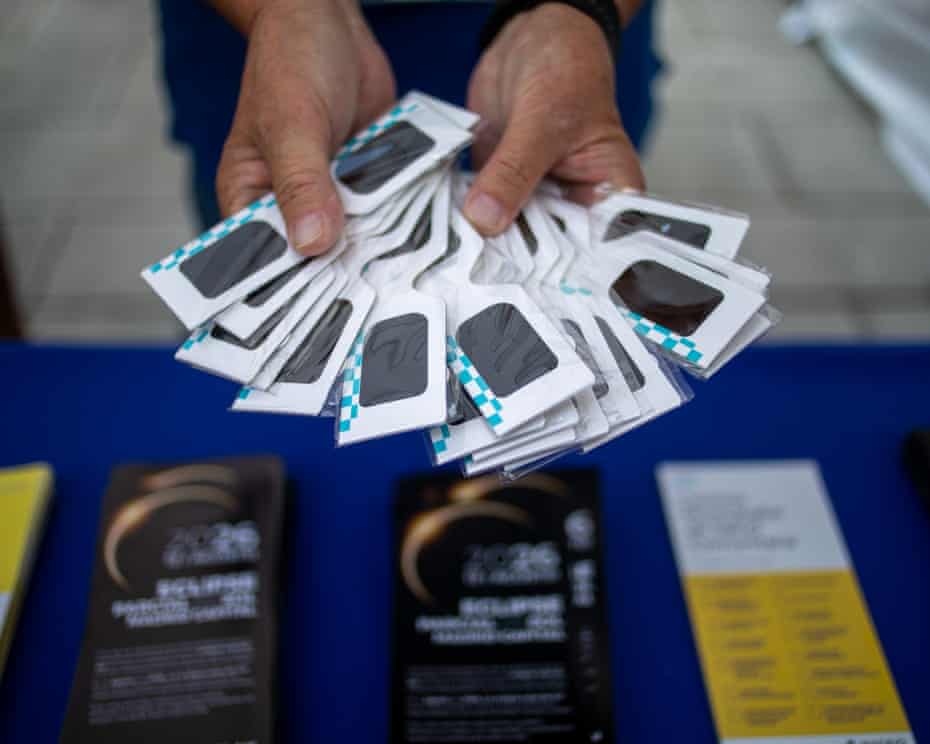
The shortage has added another concern for organisers and spectators preparing for the event, particularly in areas expecting large crowds. Despite the challenges posed by cloud cover, congestion and limited supplies of protective glasses, anticipation remains high across the eclipse’s path.
For many spectators, the event represents a rare opportunity to experience totality, when the Moon’s alignment with the Sun briefly transforms the daytime sky. The eclipse will eventually pass beyond Europe, bringing the spectacle to an end over the Mediterranean. For those able to view it safely and under favourable weather conditions, the event will offer a brief but unusual interruption to an otherwise ordinary summer day.
READ ALSO: Cristiano Ronaldo Marries Long-Time Partner Georgina Rodriguez in Intimate Ceremony